Overview
- Not all aluminum profiles are designed to perform the same way in outdoor environments.
- Factors such as alloy selection, protective finishes, profile design, thermal break technology, and manufacturing standards can all influence long-term results.
- Understanding how these elements contribute to weather resistance can help guide material selection for residential, commercial, and architectural projects.
In cold climates, aluminum does not become brittle or crack, and in hot climates, it resists warping and maintains its structural stability even under sustained heat.
So, generally, aluminum is a durable and weather-resistant material, but not all profiles are the same. Some perform well in extreme conditions while others don’t. What often makes the difference is not the material itself, but how it is engineered, treated, and prepared for specific environmental conditions.
With this, choosing aluminum profiles for long-term weather resistance is ultimately guided by the specific demands of the project site, particularly the type and intensity of environmental exposure.
The Right Alloy for Outdoor Exposure
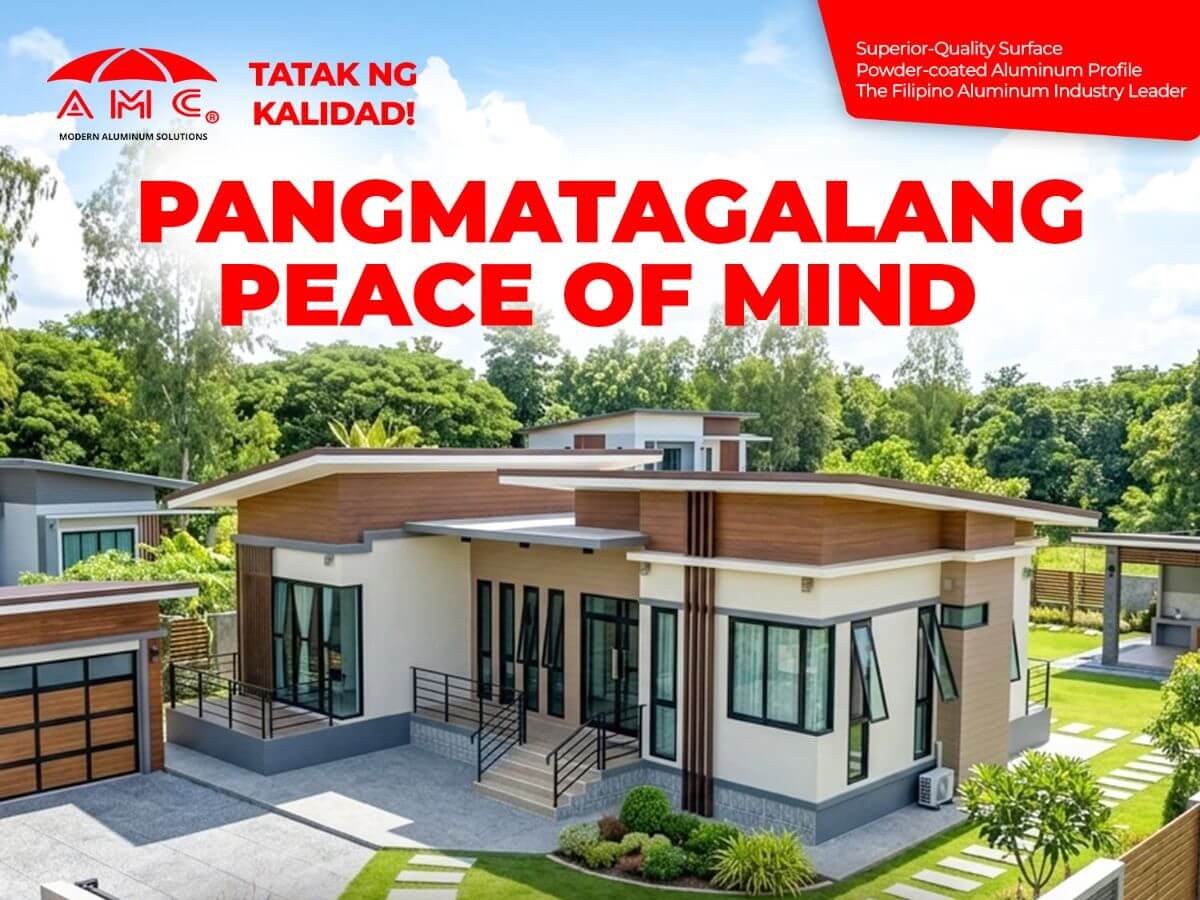
Different outdoor environments place varying stress on aluminum profiles. Which is why meticulous alloy selection matters for your profile to perform well when installed.
For instance, in coastal environments, aluminum profiles are exposed to higher levels of airborne salts. When this happens, it can affect their surface stability if the material used is not suited for such conditions. Commonly, alloy 6063 is used for architectural extrusions, such as window and door frames, because it offers good corrosion resistance.
While aluminum naturally forms a protective oxide layer, long-term performance still depends on surface finishes, drainage design, and routine maintenance. They can all influence how well the material withstands environmental exposure over time.
Surface Treatments for Weatherproofing
Over time, weather conditions can affect the appearance and condition of exposed aluminum surfaces, leading to discoloration, surface dulling, pitting, and more. So, weatherproofing is recommended for your profile to maintain both appearance and durability in exterior applications.
Among the most widely used surface treatments for aluminum profiles are anodizing and powder coating, both of which we have at AMC Aluminum. Anodizing forms a durable oxide layer on the aluminum surface, improving corrosion resistance and weathering performance.
Powder coating, meanwhile, creates a barrier against moisture and environmental contaminants. When properly applied, it offers excellent resistance to impact, abrasion, and weather-related wear. With a wider range of colors and textures, our powder coating process seamlessly merges aesthetics and durability of your aluminum profiles.
Thermal Efficiency
A thermal break introduces an insulating barrier between the interior and exterior portions of an aluminum frame, which reduces the direct transfer of heat through the profile. This helps maintain more stable indoor temperatures while improving the system’s overall thermal efficiency.
In colder conditions, thermal breaks also help keep interior frame surfaces warmer, reducing the likelihood of condensation forming on windows and doors. By limiting moisture buildup, they can help minimize potential issues associated with excess humidity and support the system’s long-term performance.
At AMC Aluminum, our aluminum profiles are an ideal choice for window and door frames because they combine strength, durability, and thermal efficiency. Designed with thermal break technology, they help reduce heat transfer between indoor and outdoor environments.
Structural Integrity and Thickness
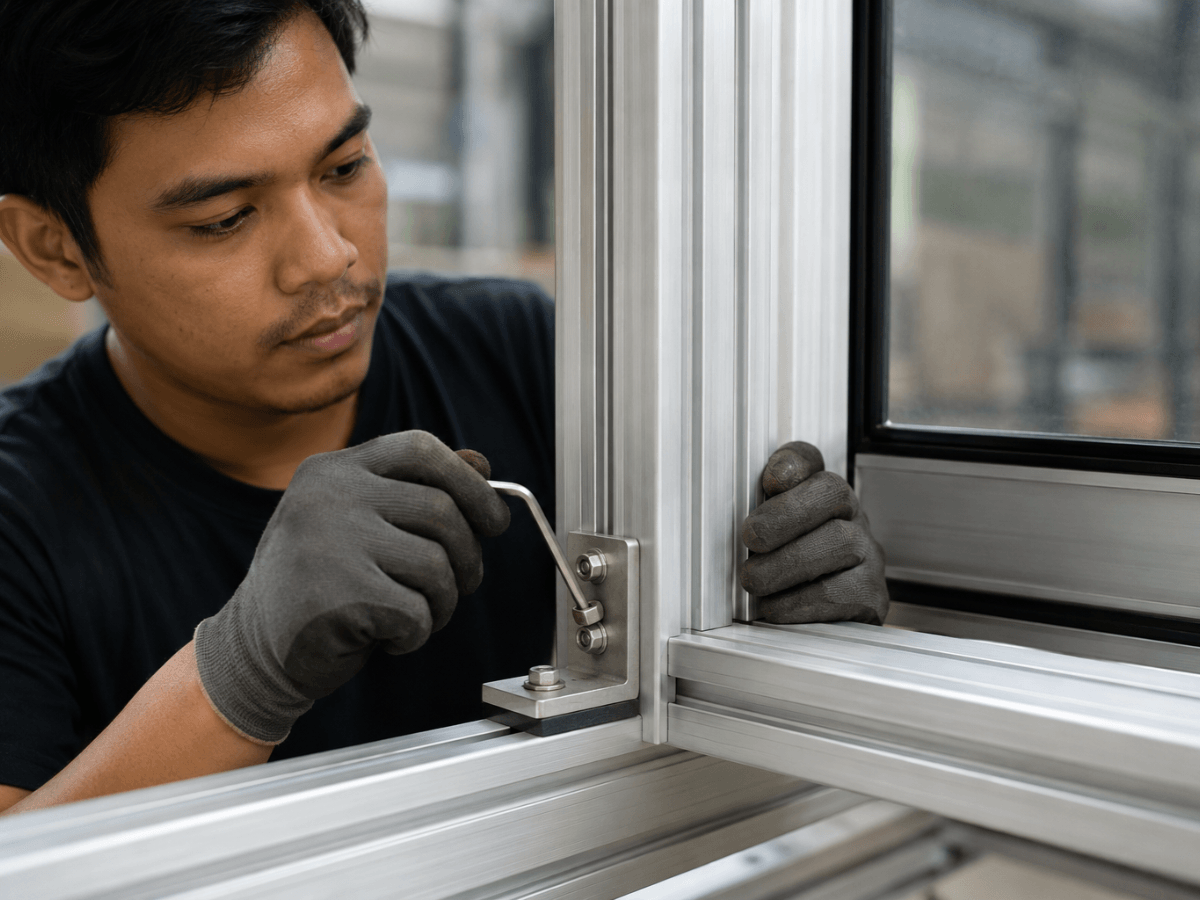
Exterior aluminum profiles may be subjected to wind loads, operational movement, and the weight of attached components, which can place stress on the profile over time.
In general, thicker wall sections provide greater resistance to bending, deformation, and other external forces, helping improve stability under demanding conditions. Thinner walls may be more susceptible to distortion under higher loads.
For structural applications, wall thickness should be selected based on the profile geometry, load requirements, span, alloy temper, and site conditions. While many industrial aluminum profile series fall within a range of about 1.3 mm to 4 mm or more, the appropriate thickness depends on the specific application rather than on thickness alone.
Certifications
While technical specifications provide valuable information about a profile’s intended capabilities, certifications help demonstrate that manufacturing processes are guided by recognized quality standards. This gives architects, developers, and project teams greater confidence that the specified materials are produced under controlled, consistent conditions.
One of the most widely recognized standards for quality management is ISO 9001. Rather than evaluating a single product, ISO 9001 focuses on the systems and processes that manufacturers use to maintain quality throughout production.
In aluminum extrusion, this means having documented procedures and quality controls in place across every stage of manufacturing, from raw material inspection and extrusion to surface finishing.
Key Takeaway
Choosing aluminum profiles for long-term weather resistance requires careful consideration of factors that influence performance over time. At AMC Aluminum, we combine high-quality aluminum solutions with top-notch Taiwanese machinery to help ensure precision, consistency, and reliable performance across a wide range of applications.
To learn more about our aluminum profiles and find the right solution for your project, get in touch with our team today.

.jpg)
.jpg)
.jpg)