Why does system compatibility matter in aluminum fabrication?
- Galvanic corrosion prevention
- Structural and load capacity
- Dimensional tolerance
- Machinery and software alignment
- Expansion and contraction
Overview
- To ensure reliable performance, aluminum fabrication requires complete system compatibility and high-quality materials.
- Key factors include preventing galvanic corrosion through compatible components, managing load capacities with proper profiles, and ensuring tight dimensional tolerances.
- Seamless machinery-software alignment boosts production efficiency, while accounting for thermal expansion preserves joint integrity and long-term stability.
Materials matter, but system compatibility is what drives reliable aluminum fabrication. When your profiles, components, machinery, and design specifications work in harmony, production is seamless and installations last. Without this coordination, minor mismatches quickly turn into major fabrication delays and long-term structural failures.
This is exactly why system compatibility matters in aluminum fabrication. Early evaluation of this during the planning process can minimize costly adjustments and improve overall project efficiency. So, in this article, we’ll explore the key considerations that drive system compatibility in aluminum fabrication and why they matter.
Galvanic Corrosion Prevention
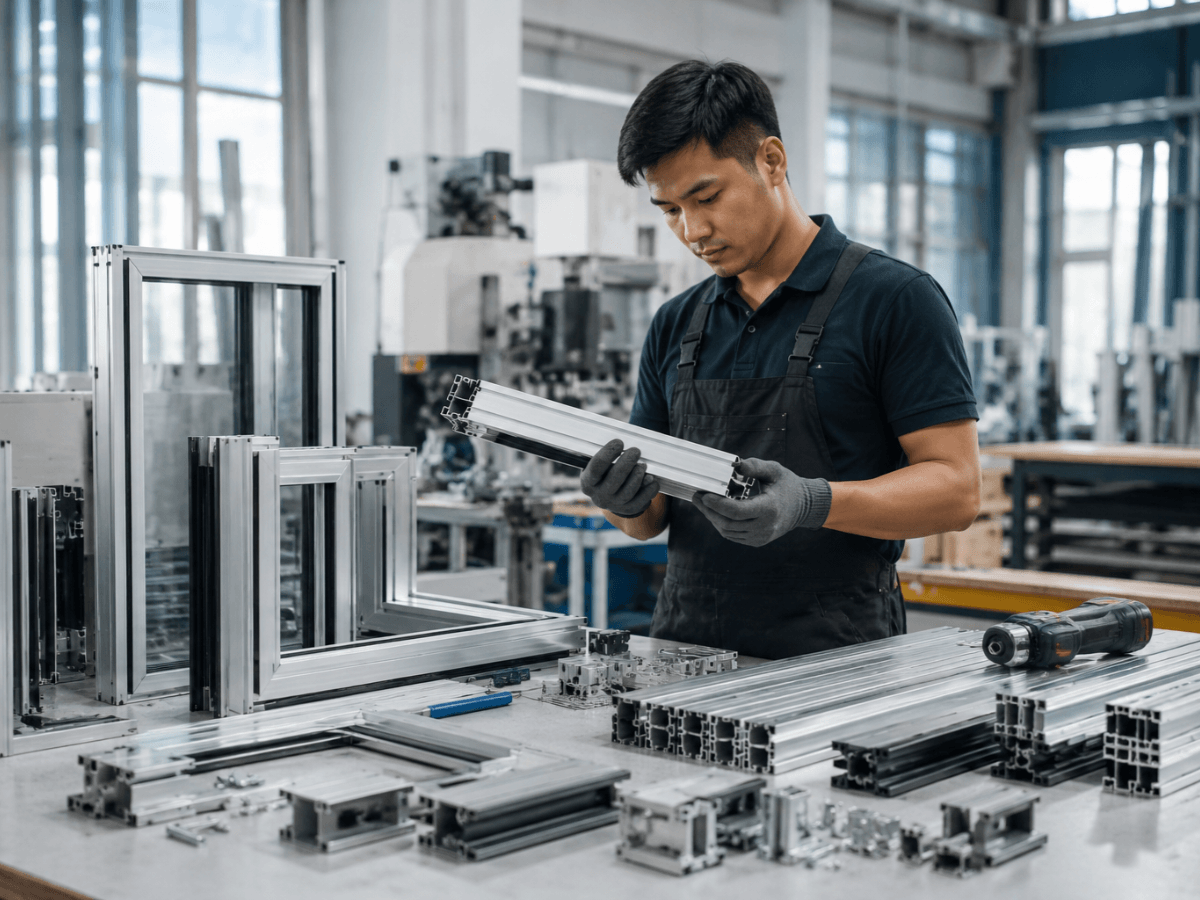
Galvanic corrosion occurs when two dissimilar metals come into electrical contact in the presence of water or humidity. Over time, this reaction can accelerate the deterioration of one of the metals, affecting the appearance, durability, or functionality of the fabricated system.
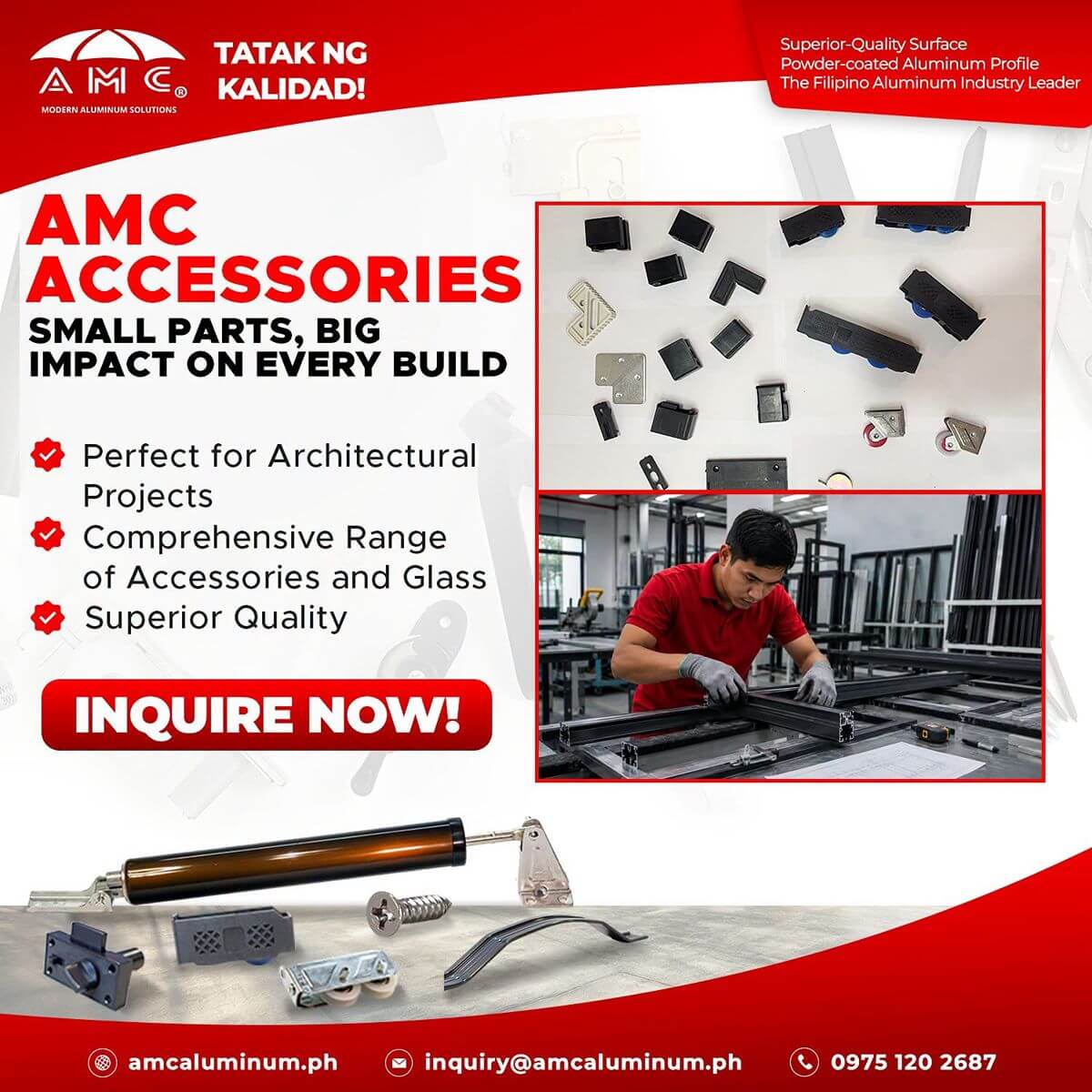
To minimize these risks, material selection should include compatible accessories such as fasteners, brackets, and connectors. Because using mismatched or non-compatible components can unintentionally create points of corrosion within the system, even if the main profiles themselves meet quality standards.
In addition, the use of specialized sealants, insulating materials, and protective coatings can help create effective barriers between dissimilar metals and environmental exposure. These protective measures reduce direct metal-to-metal contact and limit the conditions that allow galvanic reactions to occur.
Structural and Load Capacity
Different aluminum applications place different demands on structural performance, making load capacity an essential factor when selecting profiles for doors or windows. In practical use, load capacity is determined by how multiple design and material factors work together under real operating conditions.
For instance, deeper sections, internal ribs, and reinforced chambers help improve rigidity and reduce bending, especially in wider spans or heavily used systems. Thicker profiles also generally provide greater stability and resistance to deformation, supporting more demanding applications.
In addition, larger doors and windows impose higher structural demands due to increased spans and weight distributions, requiring profiles capable of maintaining stability under greater stress.
Dimensional Tolerance
Small dimensional variations may not be immediately noticeable, but they can influence how profiles align, fit, and integrate during fabrication and assembly. Without dimensional tolerances, components may not fit together as intended.
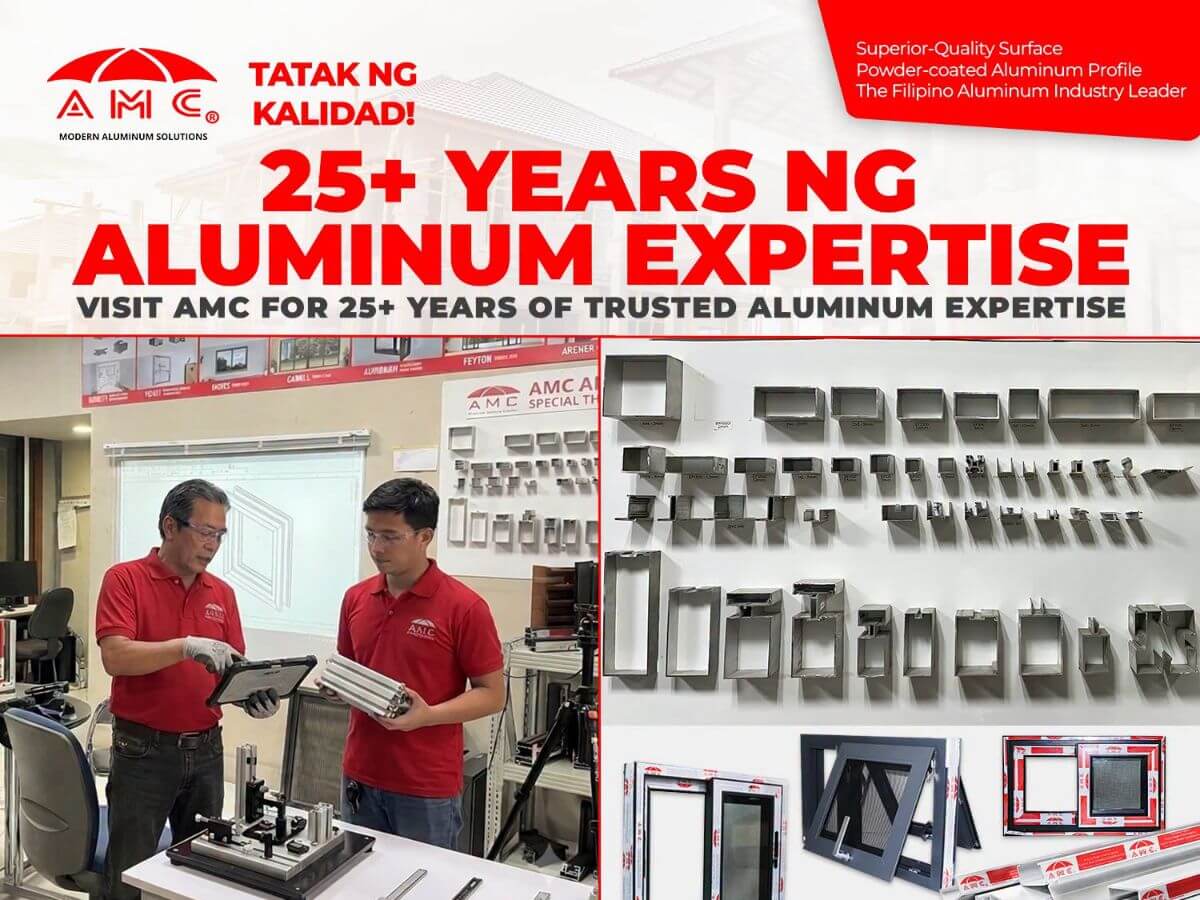
This is where precision manufacturing becomes essential. With this in mind, we ensure our extrusion processes are engineered to maintain highly consistent cross-sections and tightly controlled tolerances. This level of manufacturing accuracy helps ensure that components assemble smoothly, align correctly, and perform reliably.
In addition, our advanced extrusion capabilities enable a wide range of profile designs, from simple structural shapes to more complex, detailed geometries. This flexibility enables the consolidation of multiple components into a single profile, which improves functionality.
Machinery and Software Alignment
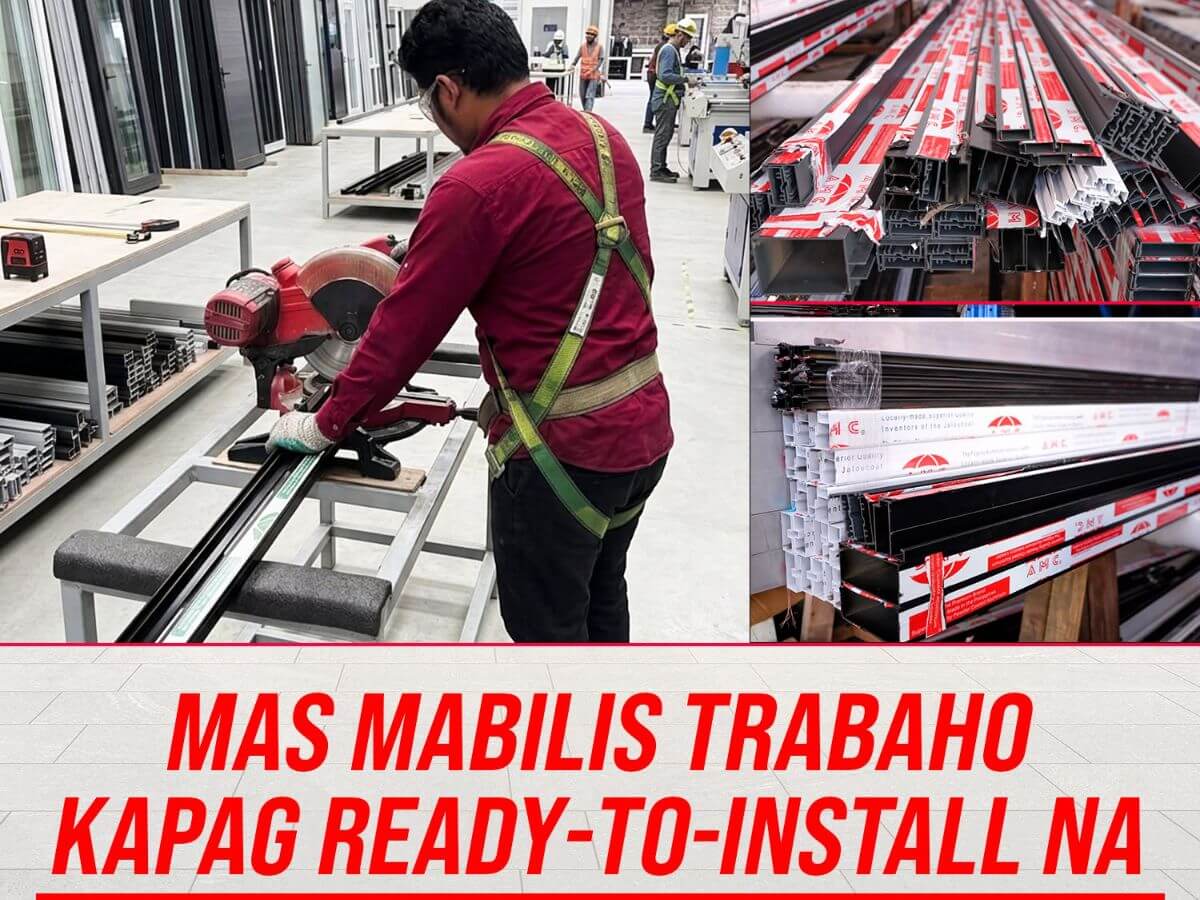
Even when aluminum profiles are precisely manufactured, system performance can still depend on how well they integrate with the machinery and software used during fabrication. Beyond material quality and structural design, production efficiency is also influenced by how compatible a profile is with digital tools.
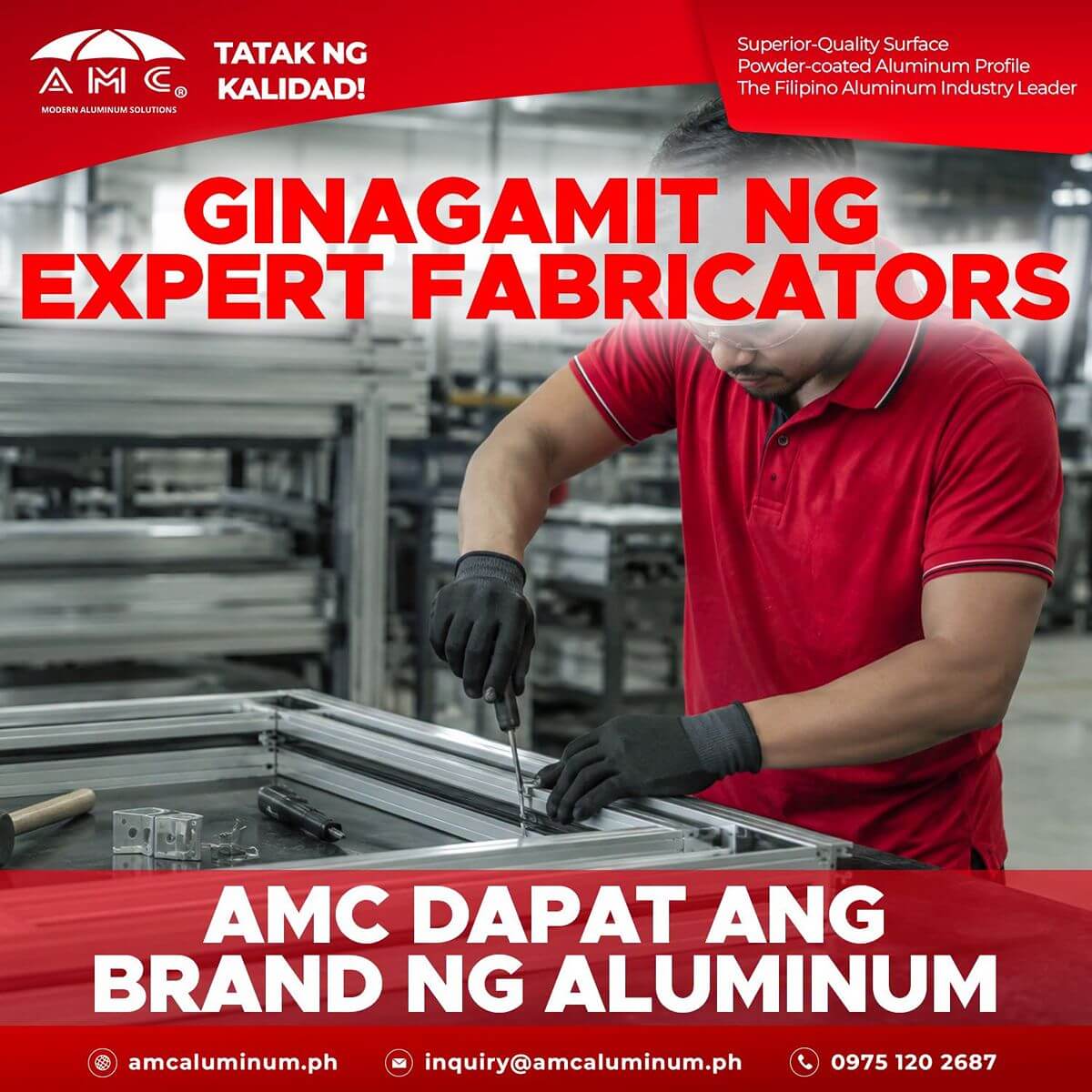
This makes machinery and software alignment an important consideration in modern aluminum fabrication. When profiles are fully compatible with CNC machines, cutting systems, and fabrication software, production becomes more consistent, efficient, and error-resistant during execution.
At AMC Aluminum, this level of consistency is further supported by our investment in advanced Taiwan-made machinery, which enhances precision, repeatability, and overall production stability. This allows fabricated profiles to maintain consistent output quality while aligning effectively with modern fabrication requirements and digital design inputs.
Expansion and Contraction
Temperature variations can cause aluminum materials to naturally expand and contract, which must be considered in both design and installation. Aluminum responds to heat and cold by slightly expanding and contracting. While these movements are often minimal, they can become significant over larger spans or continuous installations if not properly accounted for.
Over time, unmanaged thermal movement can place stress on joints, connections, and surrounding components of the profiles.
With this, proper allowance for expansion and contraction should be made and considered in the aluminum system design. Incorporating appropriate gaps, joint details, and installation allowances helps ensure the system moves naturally without compromising alignment or performance.
Key Takeaway
Achieving reliable performance in aluminum systems depends on understanding how all factors work together, from corrosion prevention to thermal behavior. This is why system compatibility matters in aluminum fabrication, as it ensures all components and design requirements work in harmony.
At AMC Aluminum, a leading industry provider of high-quality aluminum products, we ensure every component is engineered with precision, durability, and system compatibility in mind. Contact us today to find a system that meets your project needs.

.jpg)
.jpg)
.jpg)