How to choose the right extruded aluminum profiles for windows and doors?
- Key alloy and strength
- Wall thickness
- Thermal performance (crucial for climate)
- Surface finishes
Overview
- Choosing the right aluminum profiles ensures the durability of windows and doors against harsh Philippine weather.
- Crucial factors include alloy choice, wall thickness, thermal performance, and protective surface finishes.
- AMC Aluminum offers premium engineered, corrosion-resistant profiles that balance strength with material efficiency, providing long-lasting reliability for residential and commercial building projects.
Windows and doors are expected to perform reliably for decades, enduring rigorous daily operation and constant exposure to the Philippines’ demanding weather conditions. This is why understanding how to choose the right extruded aluminum profiles for windows and doors is an important part of planning any residential or commercial project.
The right aluminum extrusion influences far more than aesthetics alone. Evaluating several technical factors helps ensure structural integrity and longevity.
In this article, we will explore essential engineering and design considerations to help you select high-performance aluminum profiles that seamlessly support both structural demands and architectural vision.
Key Alloy and Strength
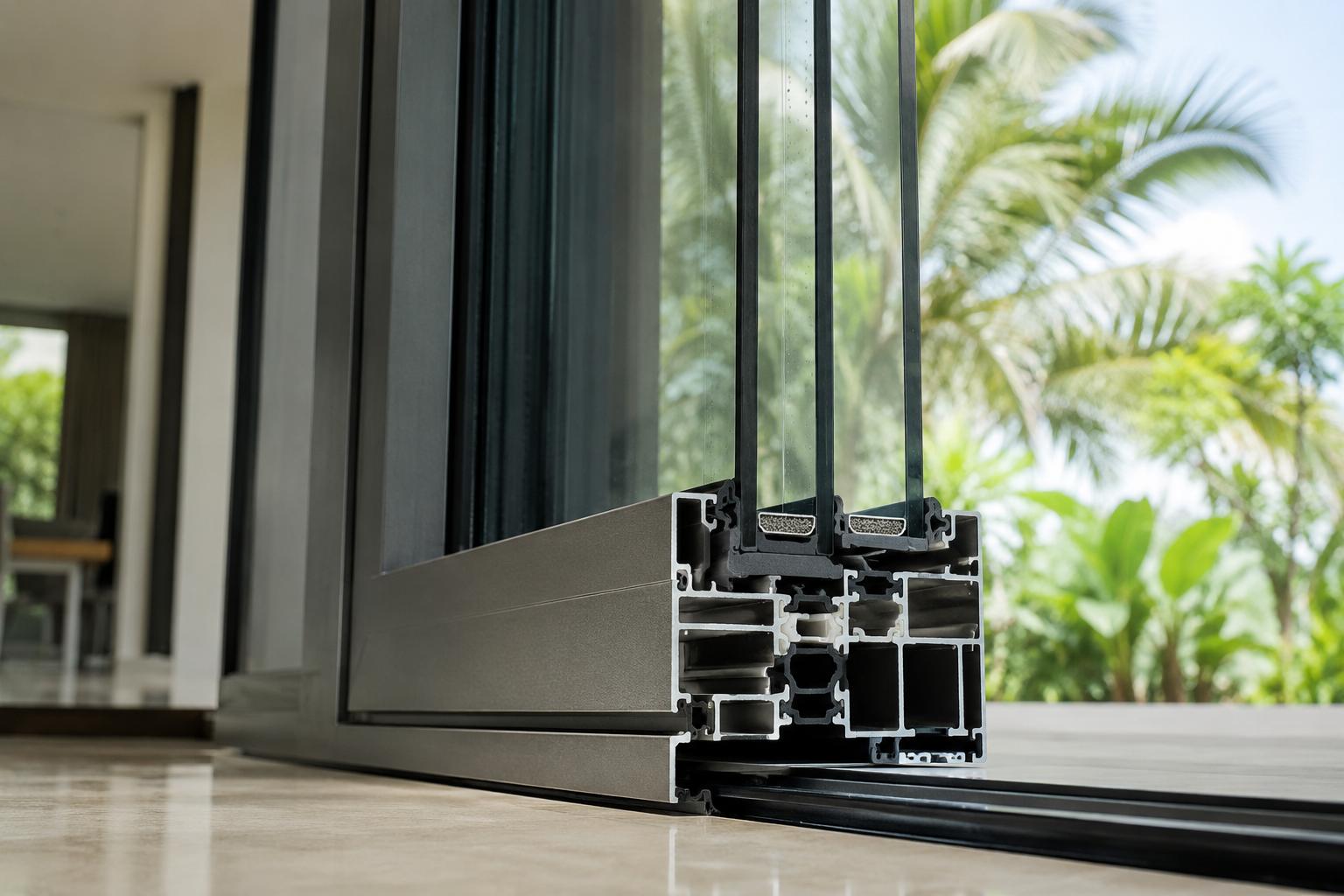
Not all aluminum profiles offer the same level of performance. In reality, the type of alloy used often determines strength, corrosion resistance, and overall stability in window and door applications.
For most projects, alloy 6063 (T5) or 6063 (T6) remains the preferred choice because of its balanced combination of strength, corrosion resistance, and surface finish quality. There are situations, however, where greater structural performance may be required. For large-span openings or projects in high-wind areas, you may want to consider alloy 6061 for its higher strength.
Selecting the appropriate alloy helps ensure that your aluminum profiles can meet project requirements while maintaining long-term durability and performance.
Wall Thickness
Thicker sections generally provide greater rigidity and improved resistance to deformation, especially in window and door systems that are subject to constant use, wind pressure, and structural loads over time.
Below is a general guide for recommended wall thickness based on application requirements:
| Application Category | Recommended Wall Thickness | Performance Consideration |
|---|---|---|
| Residential (Low-Wind Areas) | 1.2 mm – 1.5 mm | Cost-effective option suitable for standard homes |
| Standard Residential and Commercial | 1.6 mm – 2.0 mm | Improved strength and resistance to warping |
| Commercial / High-Wind / Coastal Areas | 1.8 mm – 3.0 mm | Enhanced durability and resistance to wind and impact loads |
| Industrial / High-Security / High-Rise Buildings | 2.0 mm – 2.5 mm+ | Maximum stability for demanding structural conditions |
Choosing the correct wall thickness ensures that aluminum profiles maintain their shape, support proper installation, and perform reliably throughout their service life.
Thermal Performance (Crucial for Climate)
Windows and doors are constantly exposed to heat, sunlight, and humidity, which can significantly influence indoor comfort and overall building performance. Aluminum, in particular, conducts heat much faster than materials like wood or vinyl, making thermal performance an important consideration in profile selection.
Without a thermal break, heat and cold can easily pass through the frame, leading to higher energy consumption, condensation buildup, and reduced indoor comfort.
AMC Aluminum’s advanced aluminum systems feature engineered profiles with thermal-break technology designed to enhance both performance and design capabilities. These solutions are commonly used in high-performance window and door systems where energy efficiency, comfort, and long-term durability are essential.
Surface Finishes
Surface finishes not only protect aluminum window and door systems but also enhance their visual quality. Without a suitable finish, profiles may become more vulnerable to moisture, UV radiation, and surface wear.
Common options include:
- Powder Coating: Durable, thick finish that resists chipping and fading.
- Anodized Finish: Best for coastal, high-humidity, and high-UV environments. Offers superior corrosion resistance with a chemically bonded surface that won’t peel or flake.
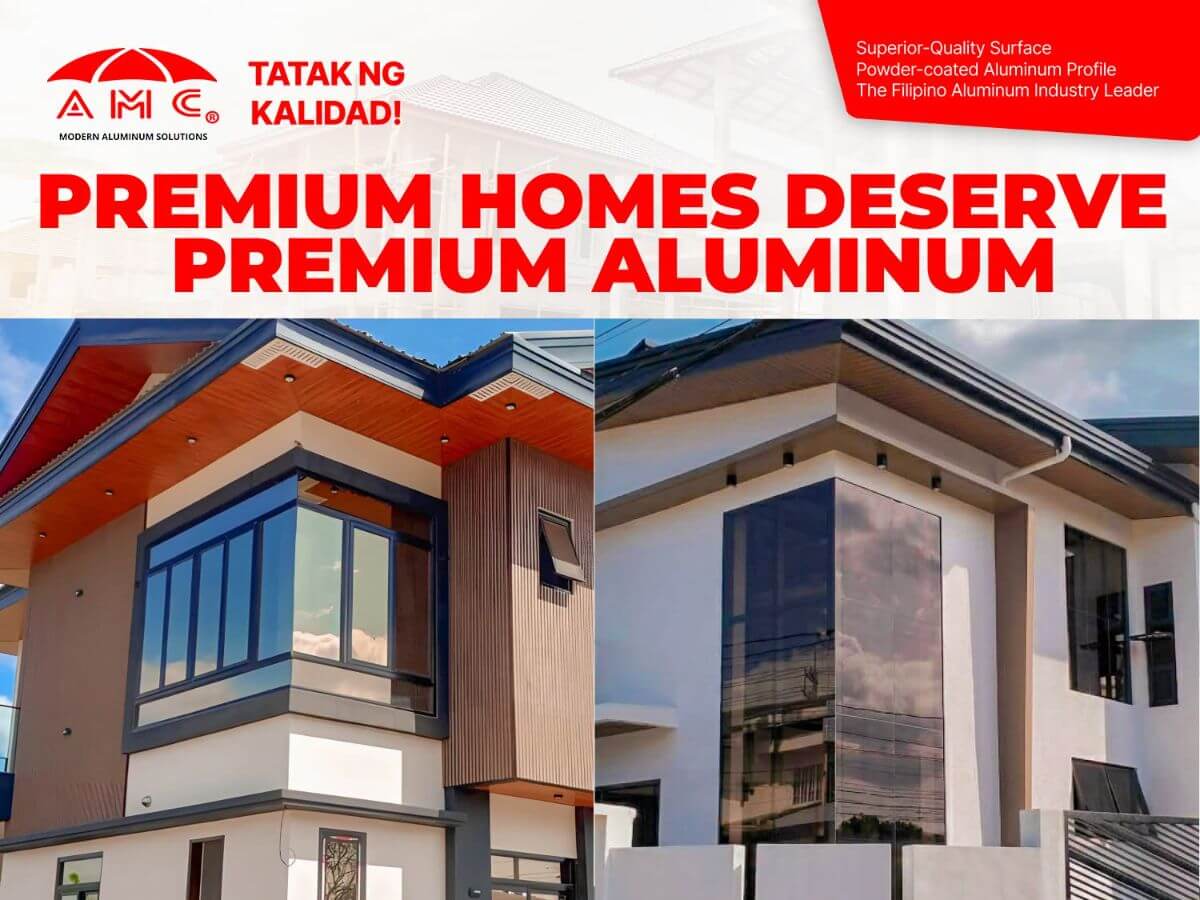
- Wood Grain Finish: Combines a powder-coated base with heat-cured wood patterns. Provides the look of timber with the durability of aluminum, UV stability, and resistance to rot, warping, and swelling.
By choosing the right surface finish, you can ensure long-term protection while maintaining the system’s intended architectural appearance.
Partner with AMC Aluminum for Reliable Window and Door Profiles

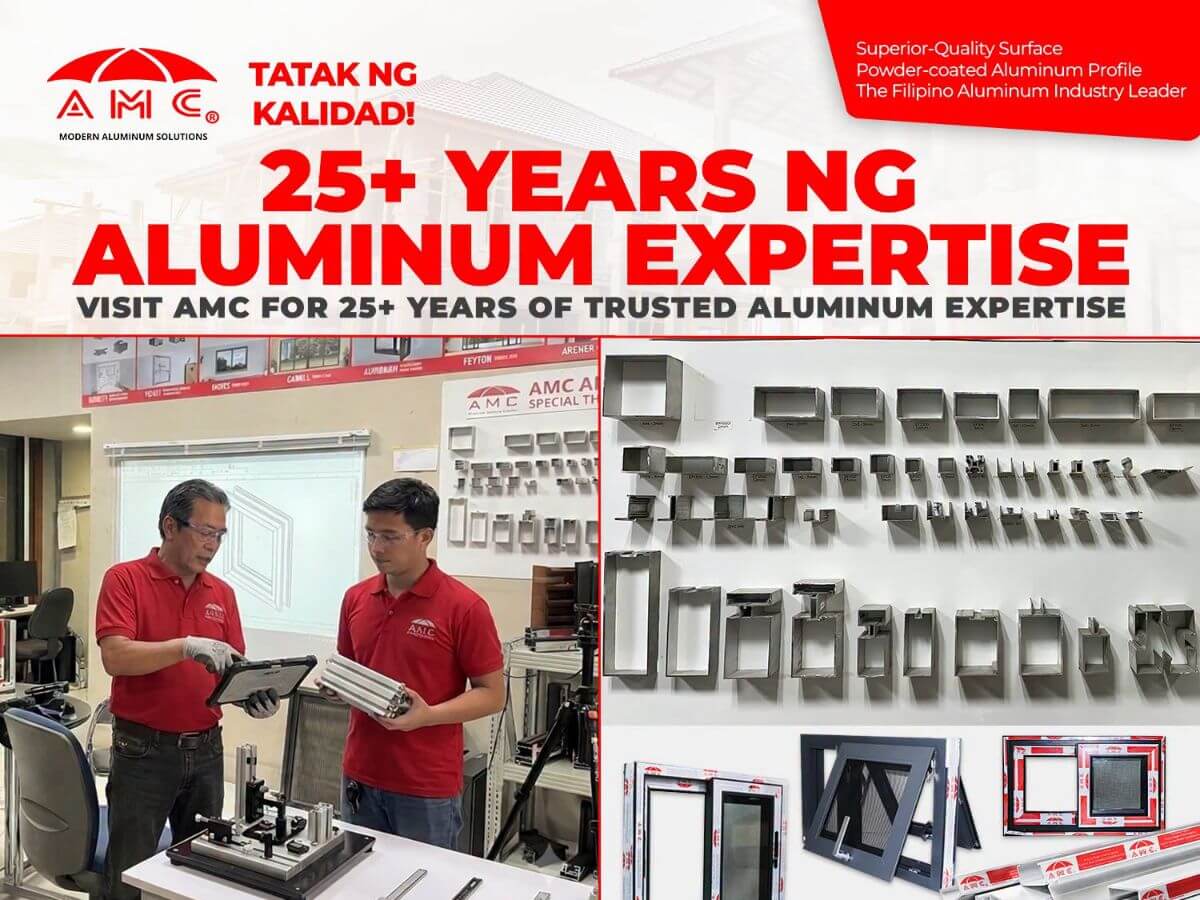
As a trusted local manufacturer, AMC Aluminum delivers precision-engineered profiles that perfectly balance structural strength with material efficiency. Lightweight yet exceptionally strong, our profiles are easy for fabricators to handle and install on-site. Plus, aluminum’s natural corrosion resistance ensures long-lasting performance and appearance for doors and windows.
Key Takeaway
A clear understanding of how to choose the right extruded aluminum profiles for windows and doors reduces specification uncertainty and improves alignment between design intent and on-site performance.
For projects that require consistent quality and dependable execution, AMC Aluminum provides precision-engineered extruded profiles designed for a wide range of residential, commercial, and architectural applications.
To explore suitable profile solutions or discuss specific project requirements, you may contact us today.

.jpg)
.jpg)
.jpg)