Overview
- This article explains how proper specification of aluminum extrusions is essential for achieving quality, cost efficiency, and smooth project delivery in construction projects in the Philippines.
- It highlights common mistakes in design, tolerances, and communication, and emphasizes early collaboration with manufacturers like AMC Aluminum to ensure accurate, durable, and well-optimized extrusion outcomes.
Aluminum extrusions are a staple in construction projects in the Philippines. Valued for their versatility, durability, and design flexibility, these systems are widely specified across residential and commercial applications alike. Getting the most out of them starts well before installation and depends on a well-managed specification process.
Whether you are overseeing a mid-rise development or managing a home renovation, the specification stage shapes both material performance and project costs. Understanding where it commonly falls short helps you plan more effectively.
To set your project up for success, here is what to avoid when specifying aluminum extrusions.
What to Avoid When Specifying Aluminum Extrusions
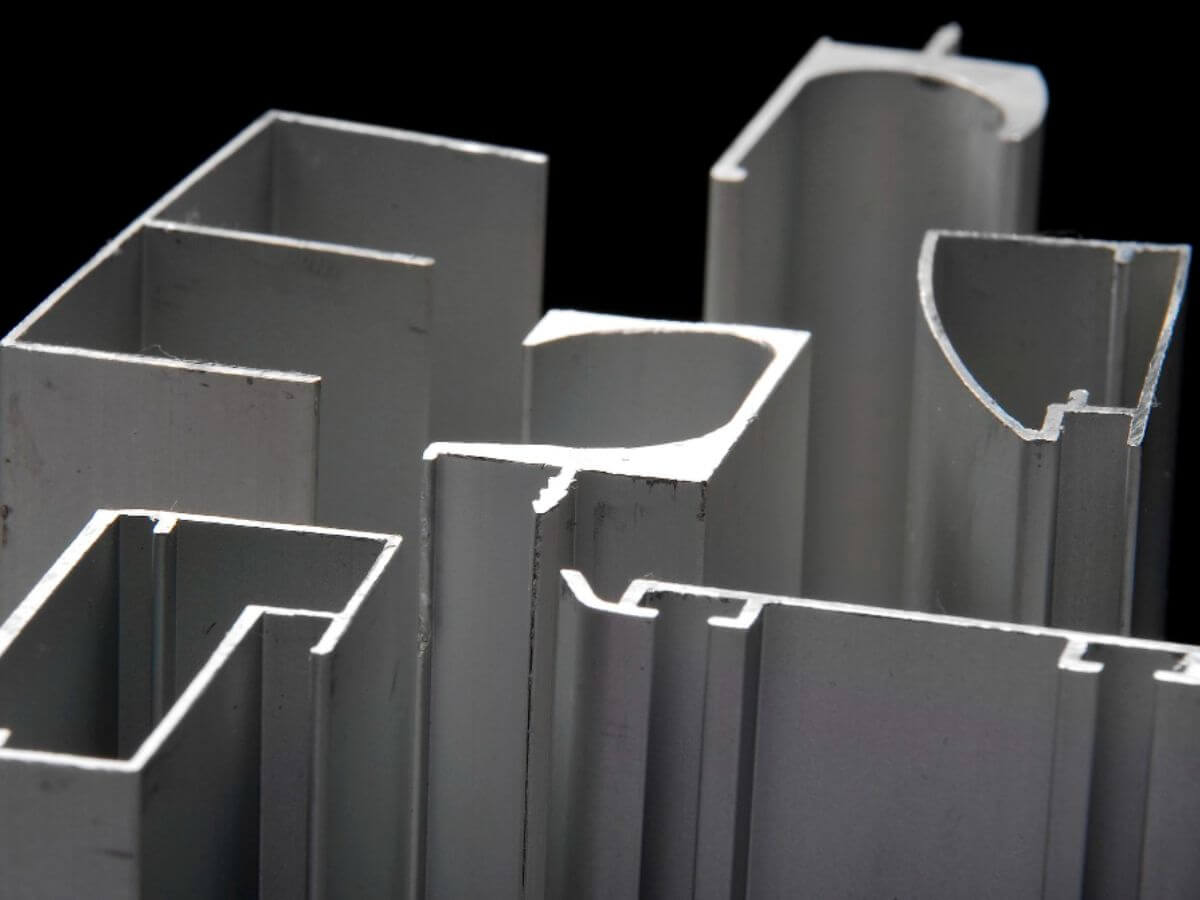
Being aware of the frequent mistakes in design, tolerance specification, and communication helps you streamline the manufacturing process and achieve a better outcome for your project.
Design and Geometry Mistakes
Profile geometry shapes both the manufacturability and cost of your extrusion. Keeping your design within practical parameters ensures a smoother production process and more consistent results.
Essential issues to cover include:
- Large Variations in Wall Thickness: Inconsistent wall thickness causes uneven cooling, which leads to warping and distortion. Maintaining uniform wall thickness produces more reliable results, and where variation is necessary, smooth transitions between sections help maintain steady material flow.
- Overly Complex or Asymmetrical Shapes: Asymmetrical profiles cause material to twist or pull unevenly as it exits the die, making tight tolerances difficult to maintain. Balancing the profile around its centerline and simplifying geometry where possible produces more predictable outcomes.
- Sharp Corners and Deep, Narrow Channels: Sharp corners impede metal flow and reduce dimensional accuracy. Incorporating rounded corners, ribs, and webs into the design improves straightness, supports consistent wall dimensions, and makes assembly more manageable.
Specification and Tolerance Issues
When considering what to avoid when specifying aluminum extrusions, it is important to properly define tolerances, as they determine the acceptable level of dimensional variation in the finished profile. Specifying tolerances without a clear understanding of your application’s actual requirements can lead to unnecessary costs and avoidable issues in quality and production efficiency.
Key issues to avoid:
- Over-Specifying Tolerances: Tighter tolerances than your application requires slow production rates, increase inspection demands, and raise overall costs. Define precise tolerances only for critical features and apply standard industry tolerances everywhere else.
- Ignoring Standard Tolerances: The Aluminum Association and ANSI publish standard tolerance tables that provide a reliable industry baseline. Reviewing these before specifying custom requirements helps you avoid unnecessary costs without compromising performance.
- Incorrectly Documenting Tolerances: Ambiguous or poorly noted tolerances lead to misinterpretation during production. Clearly specifying all dimensions and their acceptable deviations on your design drawings ensures your manufacturer can meet your requirements accurately.
Communication and Process Gaps
How well you communicate with your manufacturer is just as important as the quality of your design. Addressing these gaps early keeps your project moving and reduces the likelihood of rework.
These gaps include:
- Providing Incomplete Information: Sharing complete drawings and application context gives the manufacturer a full understanding of the project. This enables them to identify design improvements, suggest material optimizations, and flag potential production issues before they arise.
- Failing to Partner with the Manufacturer Early: Engaging the manufacturer during the design phase, rather than after, supports better validation, more accurate prototyping, and stronger material selection decisions.
- Overlooking Billet Quality and Die Design: Billet quality and die design directly influence the dimensional accuracy and surface consistency of the finished profile. Discussing these with the supplier before production begins ensures a stronger foundation for the final result.
Quick Checklist: What to Keep In Mind
Keeping these key considerations in mind helps you stay on track throughout the specification process.
- Alloy and Finish: Select the appropriate alloy and finish for your application’s structural and aesthetic needs.
- Uniform Wall Thickness: Keep wall thicknesses as consistent as possible to prevent warping.
- Rounded Corners: Avoid sharp corners in your design to facilitate better material flow.
- Symmetrical Design: Aim for symmetrical profiles to minimize twisting and distortion.
- Appropriate Tolerances: Specify tight tolerances only for critical dimensions to manage costs effectively.
- Clear Documentation: Ensure all drawings are complete, clear, and accurately dimensioned.
- Early Collaboration: Engage with your extrusion supplier early for design guidance and validation.
Discover the Ideal Extruded Profile for Your Project at AMC Aluminum
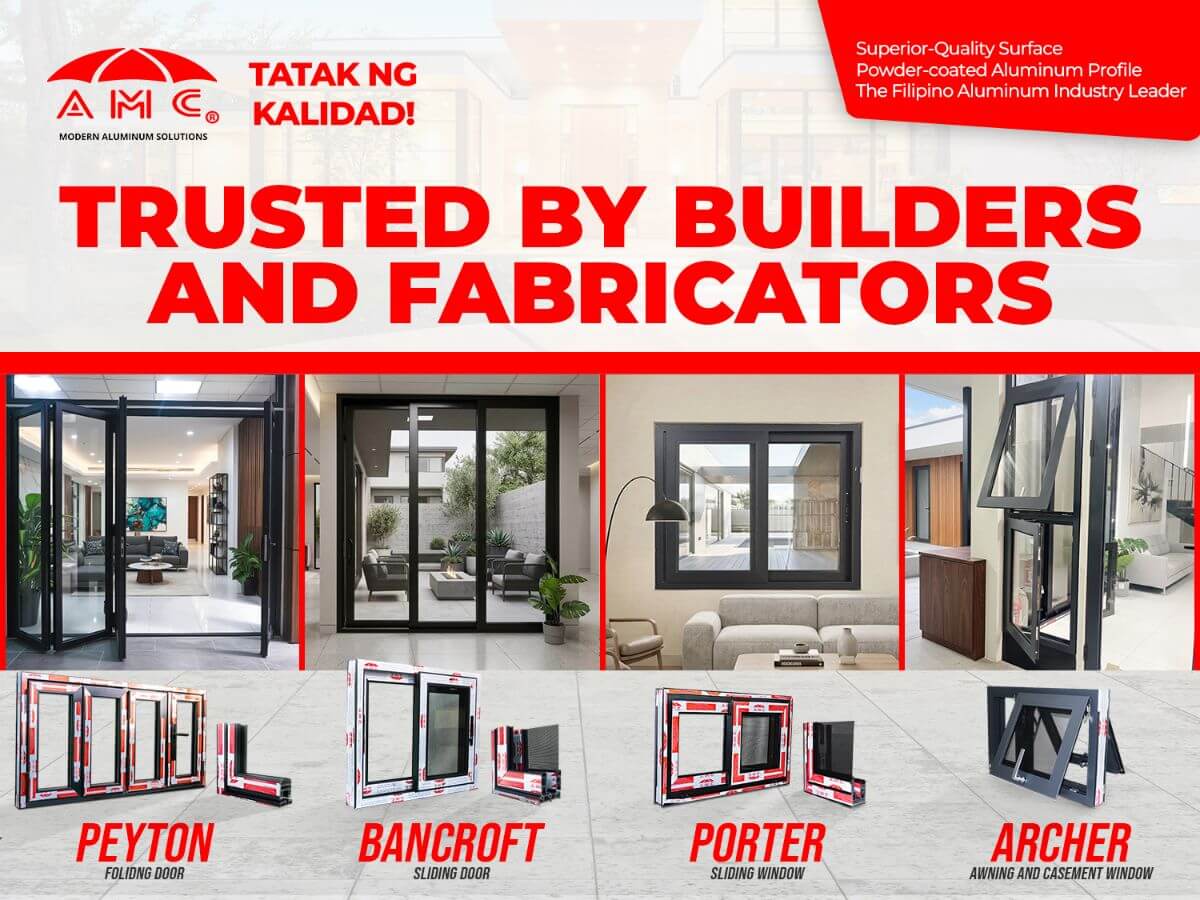
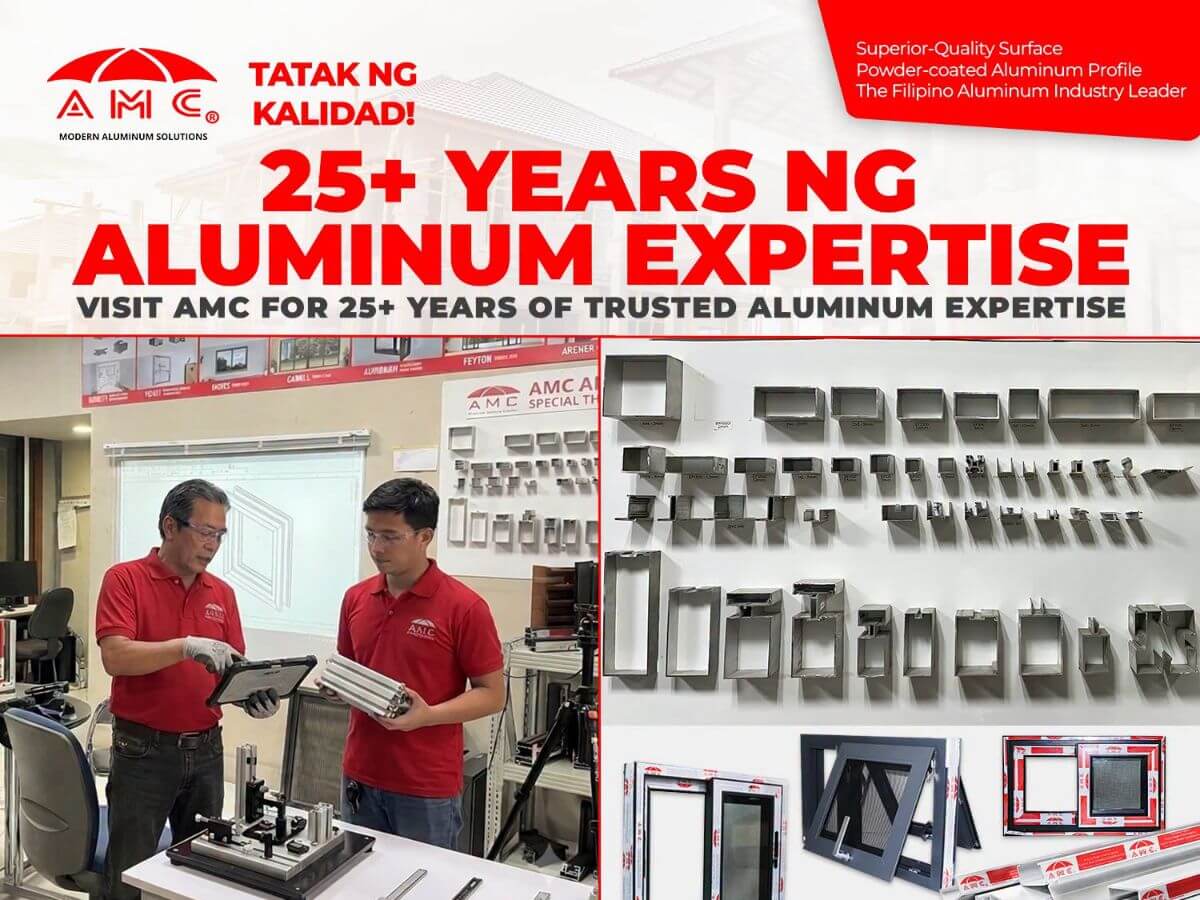
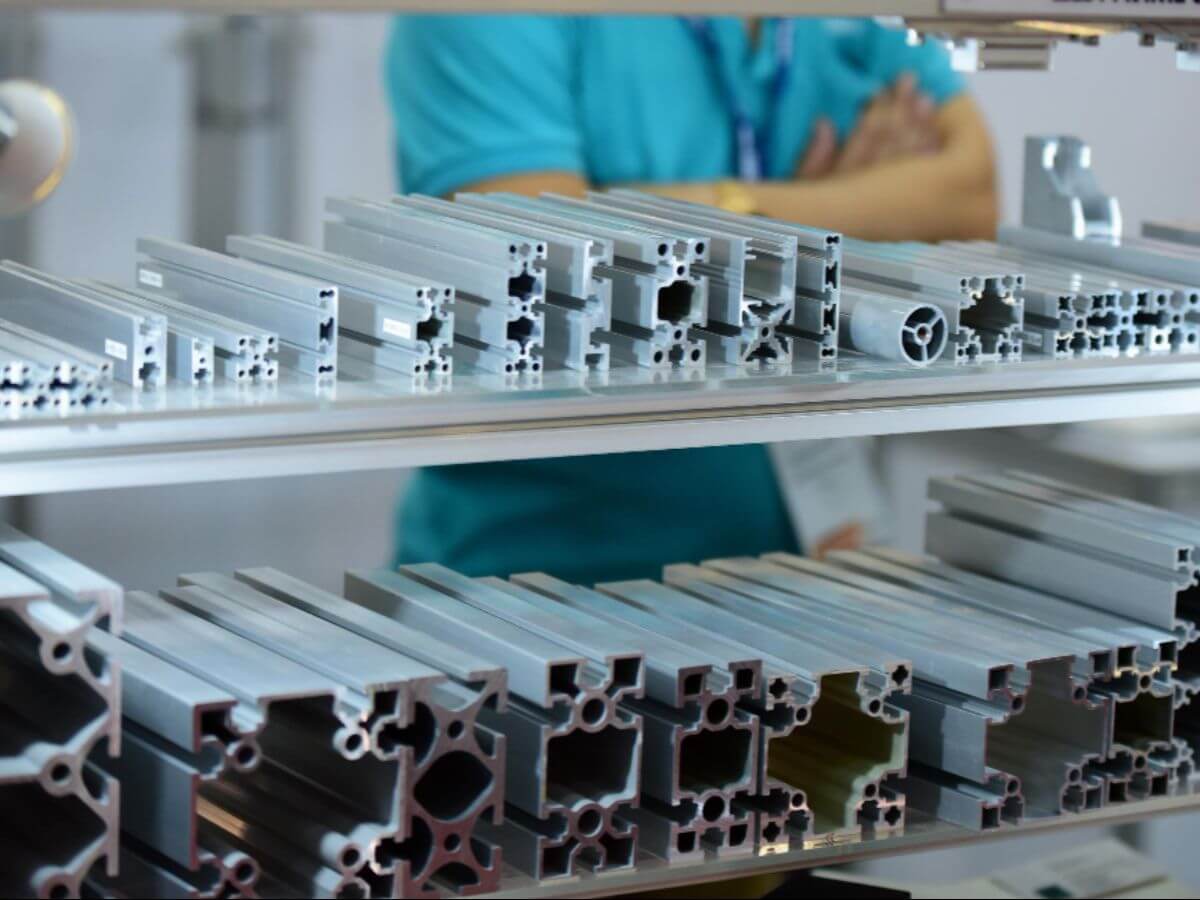
At AMC Aluminum, we produce durable, high-quality extruded aluminum profiles tailored to exact specifications, with a wide range of standard and custom profiles for residential, commercial, and industrial use.
With over 20 years of experience, we work closely with developers, contractors, and homeowners to validate specifications and ensure consistency in alloy selection, dimensional accuracy, surface treatment, and fabrication support.
Key Takeaway
By understanding what to avoid when specifying extruded aluminum, you can approach the specification process with greater confidence—making informed decisions that support better material performance, cost efficiency, and smoother project delivery.
Work with AMC Aluminum for expertly manufactured extruded aluminum profiles backed by rigorous process control and engineering expertise. Get a quote today to support efficient, high-quality results for your next project.

.jpg)
.jpg)
.jpg)