Overview
- Powder coating and anodizing offer distinct advantages in protecting aluminum profiles.
- Powder coating provides design flexibility and cost efficiency, while anodizing delivers superior durability and corrosion resistance.
- Understanding their differences in process, performance, and cost helps professionals choose the right finish for long-term value, appearance, and application-specific requirements.
Choosing the appropriate surface finish plays a critical role in the long-term performance of aluminum profiles. Among the most widely used options are powder coating and anodizing, both of which provide reliable protection through different processes. Understanding the differences between powder coating and anodizing is essential for determining the most suitable option for your project.
At AMC Aluminum, we work closely with clients to ensure the right finishing process aligns with project requirements and design intent. Our profiles deliver consistent performance that meets high architectural standards.
Continue reading for a clear, technical breakdown to support informed decision-making.
Key Differences Between Powder Coating and Anodizing
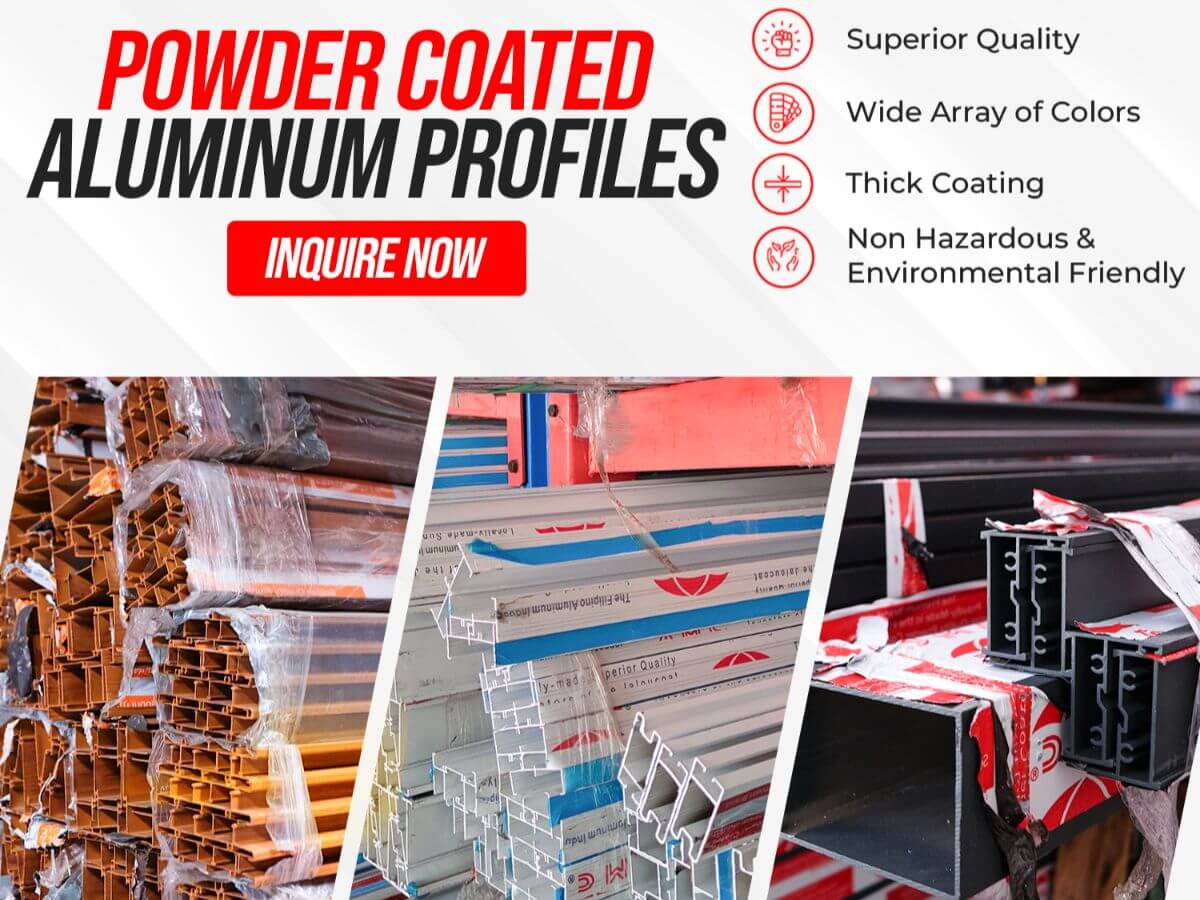
Anodization and powder coating both have their own unique production process and ways to protect the aluminum material. These distinctions are best understood by examining how they vary in performance across different aspects, such as durability and appearance.
Process
Powder coating and anodizing differ primarily in how they interact with aluminum. One creates a protective surface layer, while the other modifies the metal itself.
Powder coating is a dry finishing process in which electrostatically charged powder is applied to the surface and cured under heat. This forms a uniform outer layer that sits on top of the substrate, acting as a protective barrier against environmental exposure.
Anodizing, on the other hand, is an electrochemical process that transforms the aluminum’s surface. The material is immersed in an acid electrolyte bath and subjected to an electric current, creating a controlled oxide layer. Unlike surface coatings that may peel or chip, this layer is integrated into the aluminum, resulting in a more durable and permanent finish.
Durability
If long-term resistance is the priority, anodizing generally offers superior durability because of its integral structure. The anodized layer is a part of the aluminum itself, so it does not crack or flake under mechanical stress. This makes it particularly suitable for high-contact applications such as window frames or railings.
Powder coating, while still highly durable, relies on adhesion to maintain performance over time. It performs well against impact and abrasion when properly applied, so it’s important to rely on a supplier with a highly skilled team who can ensure its successful application.
Corrosion Resistance
Corrosion protection varies between the two processes, especially in environments with high humidity or pollution. Anodizing provides excellent corrosion resistance by sealing the aluminum with a dense oxide layer. This naturally resists oxidation, making it a preferred choice for coastal or industrial applications.
Powder coating also protects against corrosion, but does so by acting as a physical barrier. If the coating remains intact, it effectively shields the aluminum from moisture and contaminants. However, once the coating is breached, localized corrosion can occur beneath the surface.
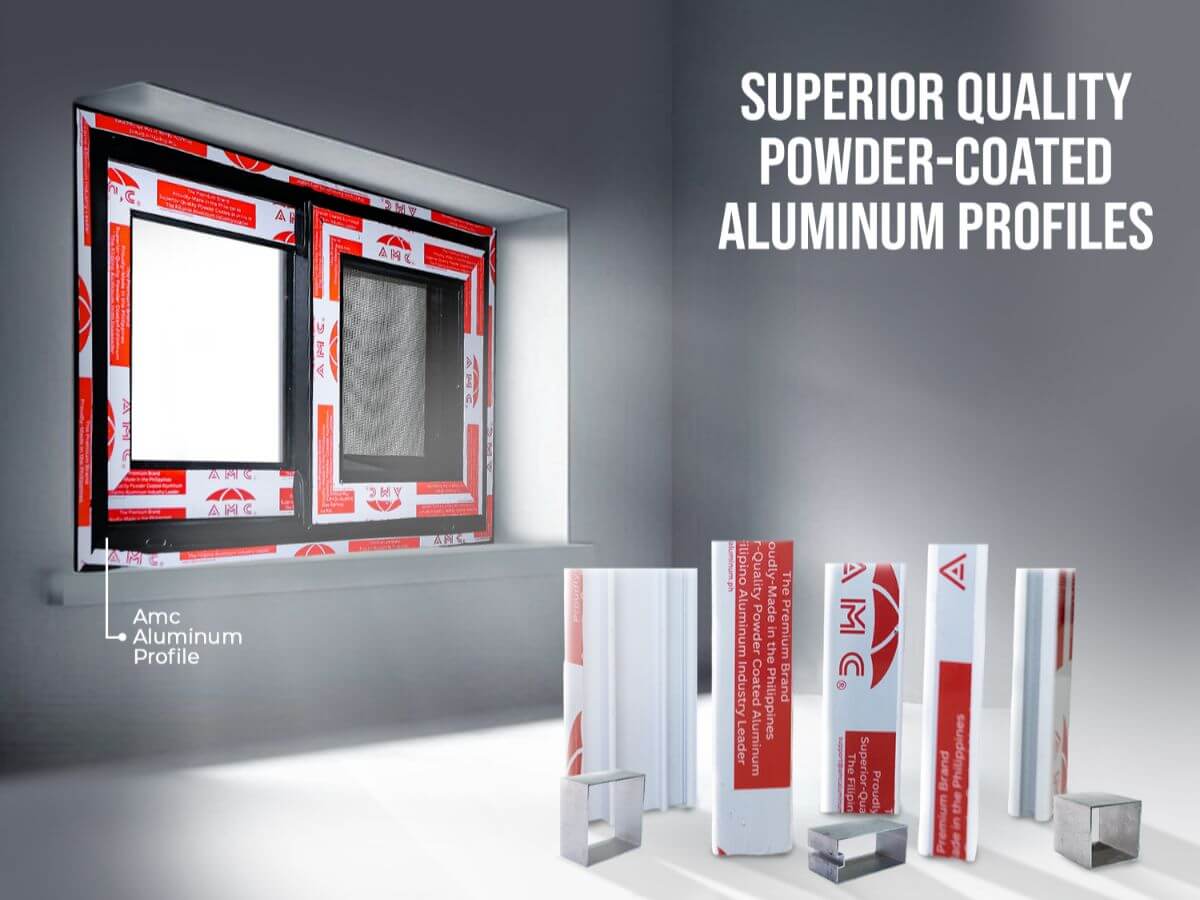
Aluminum profile suppliers like AMC Aluminum have a team of highly skilled professionals who ensure proper powder coating. With ISO Taiwan-based machines, we produce powder-coated profiles designed for effortless durability.
Appearance and Color
When it comes to design flexibility, powder coating offers a wider range of colors and finishes. Powder-coated aluminum can be produced in virtually any color, texture, or gloss level, making it ideal for projects that prioritize branding and customization. It also allows for thicker and more visually consistent finishes across large surfaces, hence its popularity among modern architectural designs.
Anodizing, on the other hand, delivers a more metallic appearance. Color options are more limited, ranging from clear to bronze tones. They’re more valued for their strength and resilience, but these finishes are also appreciated for their clean, minimalistic appeal.
Total Cost
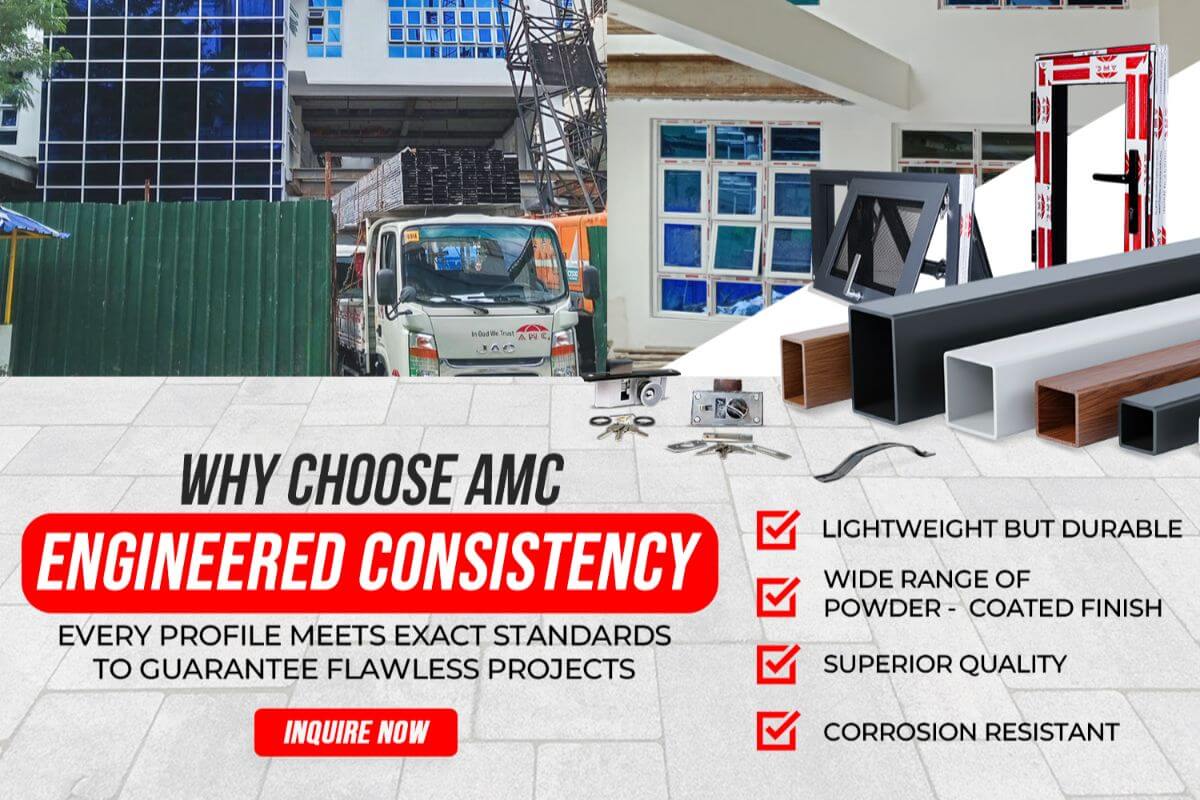
The total cost of both processes depends on upfront expenses and long-term cost considerations. Powder coating is generally more cost-effective, especially for projects requiring bulk production or a wide range of colors. Its application process also offers great efficiency, making it a practical choice for time- and budget-conscious developments.
Anodizing tends to have a higher upfront cost due to the complexity of its process and stricter quality controls. However, its long-term value often offsets this, as it requires less maintenance over time. For projects prioritizing lifecycle costs, anodizing provides promising returns.
When Should You Choose Powder Coating vs Anodizing
The choice between powder coating and anodizing depends on application needs. Powder coating is ideal for projects requiring color flexibility and design alignment, while anodizing is better suited for applications that demand durability and long-term, low-maintenance performance.
| Factor | Powder Coating | Anodizing |
|---|---|---|
| Process | Applied as a surface coating | Merged with the base aluminum |
| Durability | Highly durable with proper application | Highly durable |
| Corrosion Resistance | Additional barrier protection | Resistance through the oxide layer |
| Appearance | Wide color range and customization options | Metallic, minimalistic |
| Total Cost | Lower upfront costs | Higher upfront costs |
Key Takeaway
Once you know the differences between powder coating and anodizing, you can make informed decisions that contribute to your project’s performance and long-term value.
AMC Aluminum stands as a reliable partner in delivering solutions that meet both technical and architectural demands. With proven expertise in finishing processes and a commitment to quality, we ensure every profile performs as intended in its respective environment.
Get a quote today to get expert guidance on the right finish for your application.

.jpg)
.jpg)
.jpg)