Overview
- Top-hinged aluminum awning windows protect Philippine homes from rain while providing natural ventilation.
- Their outward-sloped glass creates a protective canopy that deflects water away from sills, complemented by tight weather seals and corrosion-resistant frames.
- Higher placement releases rising heat and moisture, preventing mold growth while maintaining continuous indoor airflow.
Windows are meant to bring in natural light and let fresh air circulate through a home. But in the Philippines, where alternating monsoons, frequent thunderstorms, and tropical cyclones bring sudden or prolonged heavy rain, windows sometimes become a source of frustration. Residents close them whenever rain threatens, shutting out the breeze along with the water.
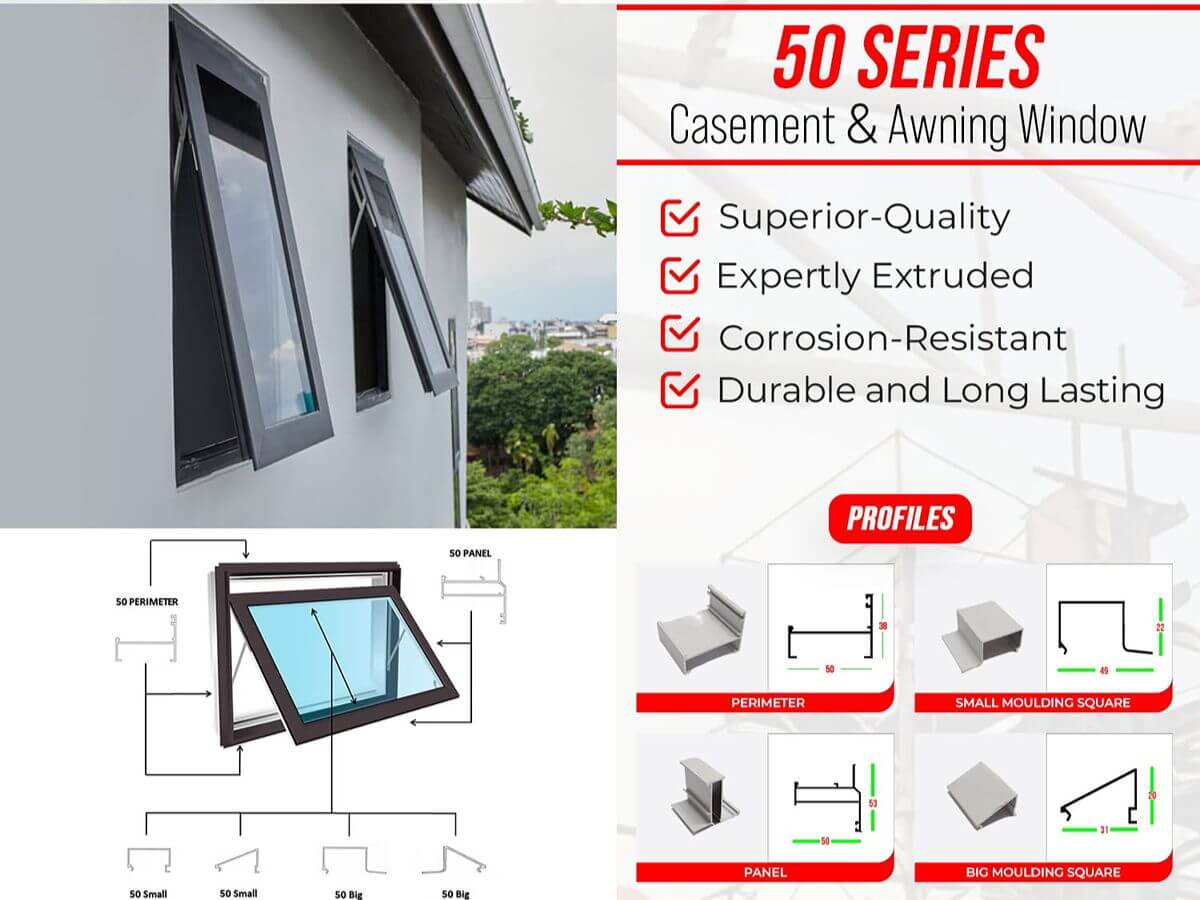
An awning window is hinged at the top and opens outward from the bottom, creating an angled panel that covers the opening like a small roof. Understanding how aluminum awning windows help protect homes from rain while improving ventilation shows why this design is a practical choice for rainy climates.
How They Protect Against Rain

With roughly 20 tropical cyclones entering the Philippines annually, window selection must account for heavy downpours. Aluminum awning windows address these extreme weather conditions through specialized design, sealing, and durable frame construction.
Outward Canopy Effect
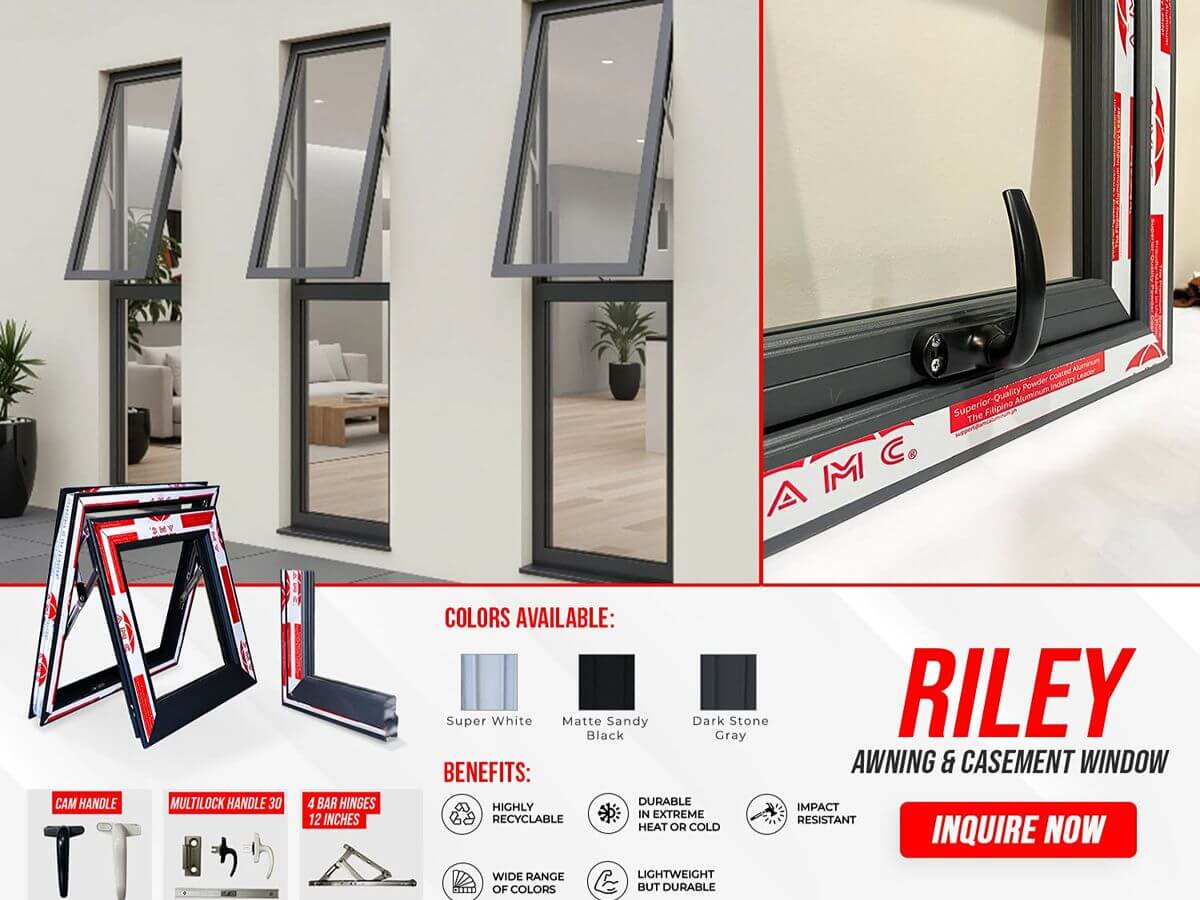
An awning window is hinged at the top, allowing its glass panel to swing outward from the bottom. When open, the angled panel creates a canopy over the window opening, helping shield the interior from direct rainfall. If your kitchen window faces a garden or outdoor dining area, you can leave it slightly open when light rain starts. The angled glass shields the opening from the rain while fresh air keeps flowing in.
Deflecting Water
The sloped glass panel helps direct rainwater away from the window opening. Raindrops hit the exterior surface and flow down the glass, moving away from the sill instead of falling directly inside. Consider a bedroom with a window overlooking your landscaped patio. When rain begins, the outward-angled panel helps guide water away from the opening, reducing the risk of wet window sills, damp curtains, and moisture reaching nearby furniture. However, strong winds can drive rain against the opening, so another protection also depends on your window’s placement, installation, and exposure.
Tight Weather Seals
Weather seals close the gaps between the window sash and frame when you shut the awning window. These seals create a tighter barrier against wind-driven rain and help limit water infiltration around the edges. Their condition and proper installation are essential to maintaining this protection. This is particularly important if you have built-in cabinets, wooden flooring, or upholstered furniture near your windows. Even small gaps allow moisture to seep inside during prolonged rainfall, potentially damaging your interior finishes and furnishings.
Durable Aluminum Frame
Your window frame must maintain its shape and alignment despite repeated exposure to rain, humidity, and temperature changes. Aluminum naturally resists rust, while protective finishes such as powder coating add an extra layer of protection against corrosion and surface deterioration. Unlike materials prone to swelling or warping when exposed to moisture, properly finished aluminum frames retain their structural form in wet environments. Proper surface treatment and maintenance also remain important for long-term performance, especially if your home is near the coast.
How They Improve Ventilation
Protecting your home from rain should not mean keeping every window shut and trapping warm, stale air indoors. With aluminum awning windows, you can maintain natural ventilation while managing how much air enters each room. Here are four ways they support better ventilation:
Controlled Airflow
Adjustable awning windows regulate airflow to suit weather conditions, keeping interiors ventilated even during light rain. This controlled opening helps release heat, steam, and cooking odors from kitchens and bathrooms.
Continuous Air Exchange
Leaving the sash partially open during light rain maintains continuous airflow. This steady exchange prevents moisture, heat, and odors from building up inside closed rooms during prolonged rainy periods.
Moisture and Mold Reduction
Inadequate ventilation causes indoor moisture to accumulate, fostering mold growth that damages wall finishes and degrades air quality. Keeping windows slightly open releases humid air and reduces surface condensation.
High-Wall Placement
High-wall window placement utilizes natural convection to exhaust trapped heat and steam while drawing in cooler air. This elevated position captures unobstructed breezes and natural light without compromising interior privacy.
What Makes AMC Aluminum Windows a Smart Addition to Weather-Ready Homes
If you are renovating your home, choose a supplier that protects your long-term investment. At AMC Aluminum, we bring over 20 years of industry experience to residential and architectural projects. We manufacture our profiles using ISO-grade quality billets and the latest Taiwanese extrusion machinery to ensure consistent quality and precision.
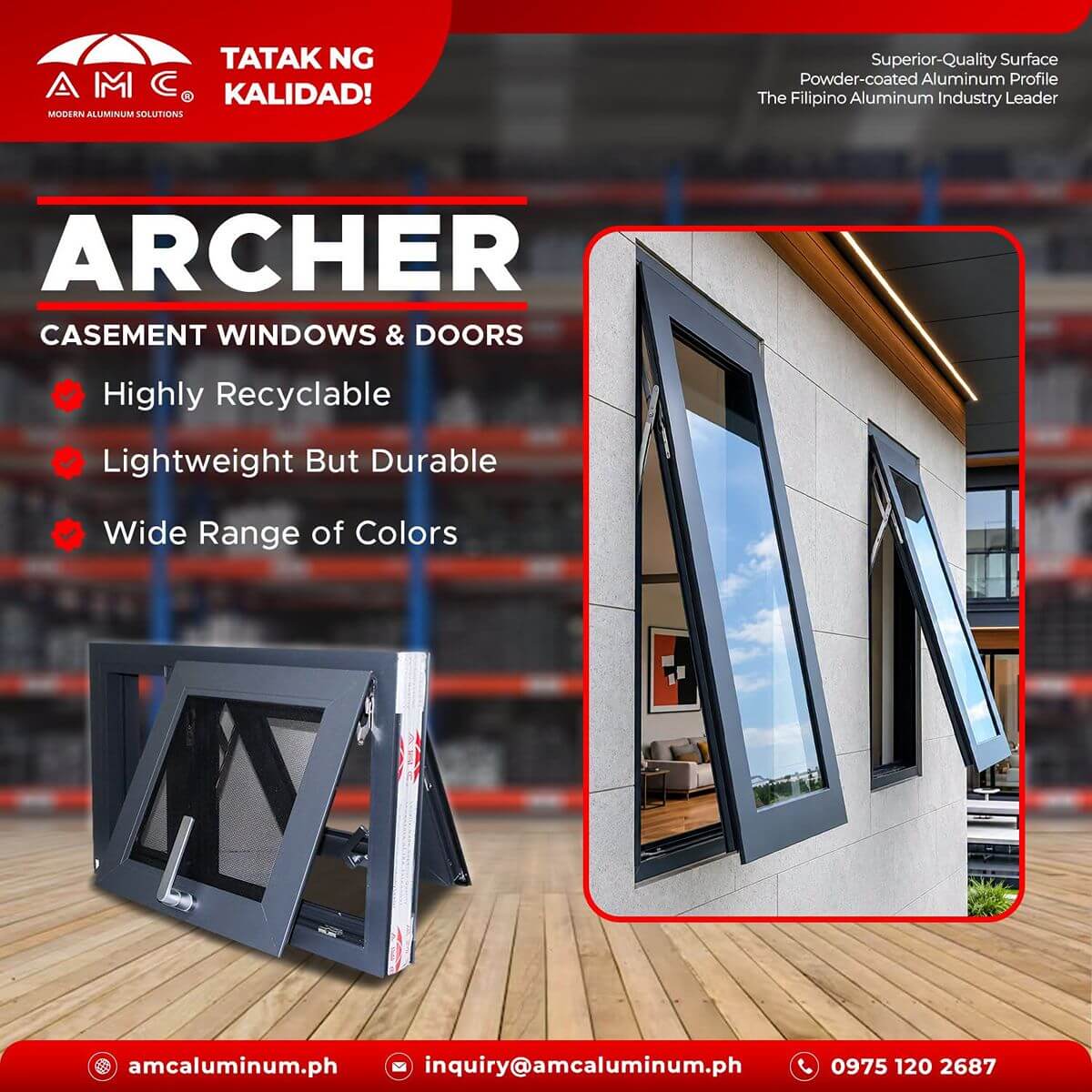
Explore our wide selection of awning window profiles, with customization options to match your dimensions and design requirements. We also offer powder coating services for purchased profiles and extrusion products, adding protection against environmental exposure while complementing your home’s exterior.
Key Takeaway
A weather-ready home starts with choices that account for the conditions your windows face every year. When considering how aluminum awning windows help protect homes from rain while improving ventilation, look beyond appearance and prioritize features that keep rainwater out, support natural airflow, and reduce future maintenance concerns.
Make your renovation investment count with quality aluminum solutions. Contact us to find the right profiles for your home.

.jpg)
.jpg)
.jpg)