Overview
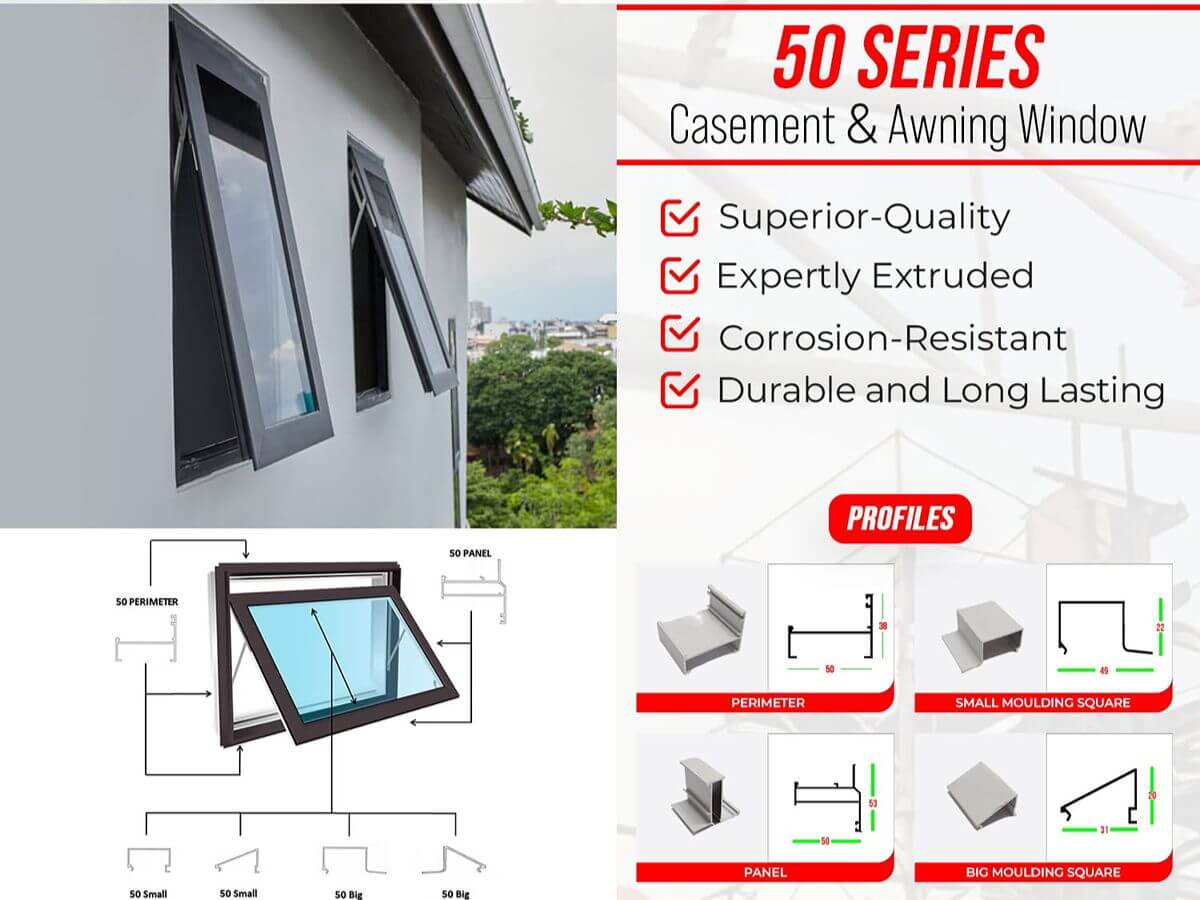
- Awning windows provide ventilation while keeping interior spaces clear, making them suitable for different residential and commercial areas.
- Their placement allows buildings to benefit from natural airflow without sacrificing views, usable wall space, or design requirements.
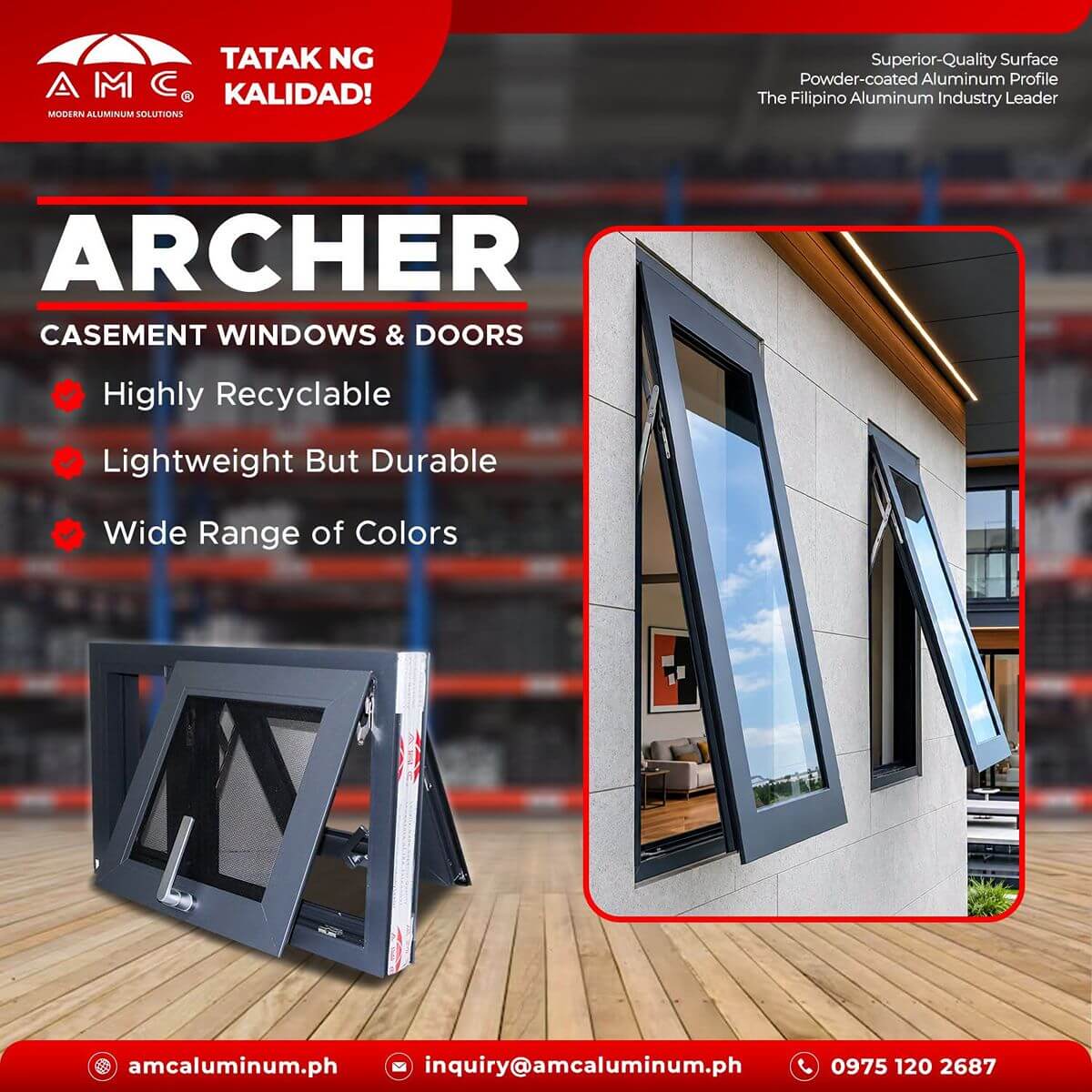
A window’s design plays a significant role in how it integrates with a building. Each type differs in its opening mechanisms, frame configurations, and space requirements. Awning windows have a top-hinged sash that swings outward from the bottom, creating a distinct profile compared with sliding windows, which move horizontally, or casement windows, which open from the side.
Place them strategically to maximize their purpose, so it helps to know where awning windows work best in residential and commercial buildings. Evaluate which parts of a property can accommodate this design and how it will complement the overall layout.
Residential Buildings
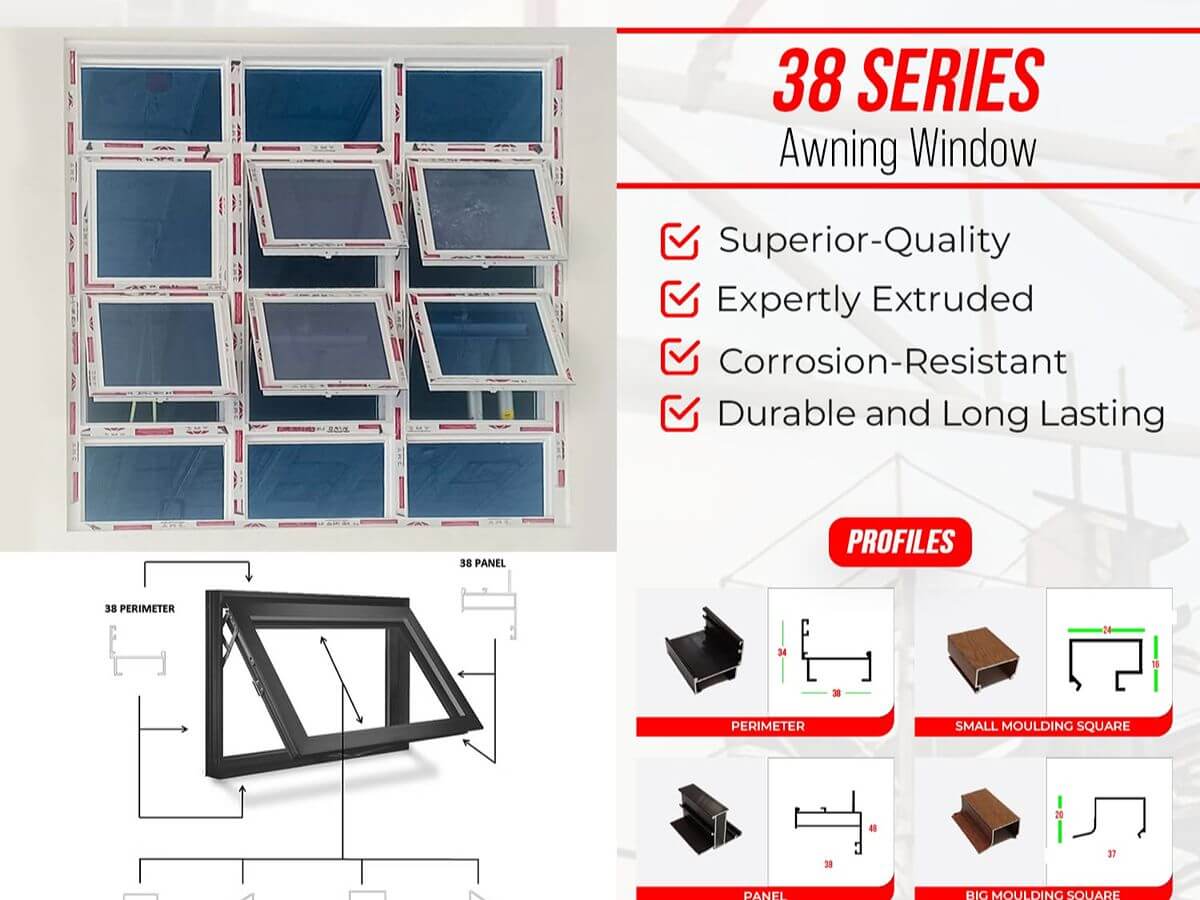
Awning windows suit different areas of a home, but their placement matters when working around room layouts, furniture, and architectural features. Their outward-opening panels make them particularly useful in spaces with limited interior clearance, since the sash does not swing into the room when opened. Here are the areas of a home where awning windows work best:
Bathrooms & Laundries
Strategic placement is necessary, particularly in closely spaced residential properties, where a bathroom window facing a neighbor’s house needs to provide airflow without compromising privacy. Bathrooms and laundry rooms accumulate moisture from hot showers, damp towels, and washing machines, making proper ventilation essential. Installing awning windows high on the wall allows humid air to escape while keeping the interior less exposed to outside views.
Over Kitchen Sinks & Counters
An awning window above the sink or countertop allows heat, moisture, and odors to escape. For example, the kitchen gets busy with running water, sizzling pans, and freshly cooked meals. Without proper ventilation, moisture from washing dishes and food odors linger around the sink and countertops. These damp, poorly ventilated areas encourage mold growth, which is the last thing you want in the place where you prepare your food. Its crank-operated mechanism also makes it easy to open without reaching across a deep sink or moving kitchenware.
Above or Below Fixed Picture Windows
A sweeping view deserves a window that puts the scenery front and center. A wide picture window frames gardens, pools, or city skylines like an uninterrupted living canvas—yet covering the entire opening in fixed glass blocks natural airflow. Without ventilation, indoor air grows stagnant, cooking odors linger, and the room relies heavily on air conditioning or mechanical fans. You don’t have to sacrifice airflow for an expansive view: pairing a fixed picture panel with an awning window above or below brings in fresh air while keeping your sightline clear.
Basements & High-Wall Living Spaces
Awning windows make practical additions to basements and high-wall living spaces where floor area and wall space are limited. Installing them near the ceiling provides natural ventilation while keeping the lower wall available for furniture, storage, and other fixtures. A basement converted into a home office, for instance, benefits from a high-mounted awning window above a desk and built-in shelves, allowing fresh air to circulate without taking up space needed for work essentials.
Bedrooms
Let the morning breeze refresh your bedroom before the day’s heat sets in while keeping energy use in check. Awning windows provide an opening for natural ventilation, especially during cooler hours when you prefer fresh air over running the air conditioner. For example, a bedroom facing a garden or shaded courtyard benefits from an awning window that stays open in the early morning, allowing cool outdoor air to circulate before you close it as temperatures rise. Making the most of these cooler periods reduces the need for mechanical cooling and helps lower electricity consumption.
Commercial Buildings
Commercial spaces experience different ventilation needs throughout the day. Their placement makes them a practical choice for areas where conventional windows are less suitable. Here are the areas where you can maximize the purpose of awning windows:
Clerestory & Upper-Wall Windows
Awning windows installed near the ceiling allow fresh air to circulate without taking up space along the lower walls, where unused space also improves ventilation. This works particularly well in a hotel lobby with tall ceilings, where narrow awning panels above large glass windows improve airflow while preserving the open, welcoming atmosphere.
Mixed-Use & Office Spaces
A busy office needs a comfortable environment where employees can focus without feeling confined. Awning windows provide additional ventilation while keeping work areas clear of inward-swinging panels. In a shared office, for instance, placing awning windows above workstations or along upper wall sections lets fresh air in without interfering with desks, storage cabinets, or meeting room arrangements.
Above Storefront Glazing
A storefront should give customers a clear view of the products or services inside, but it also needs proper airflow. Since large fixed glass panels do not open, adding awning windows above the storefront creates a separate passage for fresh air without reducing display space. For example, a street-level café benefits from slim awning panels above its glass frontage, allowing ventilation while keeping the menu board, counter, and window displays visible to passersby.
Explore AMC Aluminum’s Window Systems for Different Building Applications
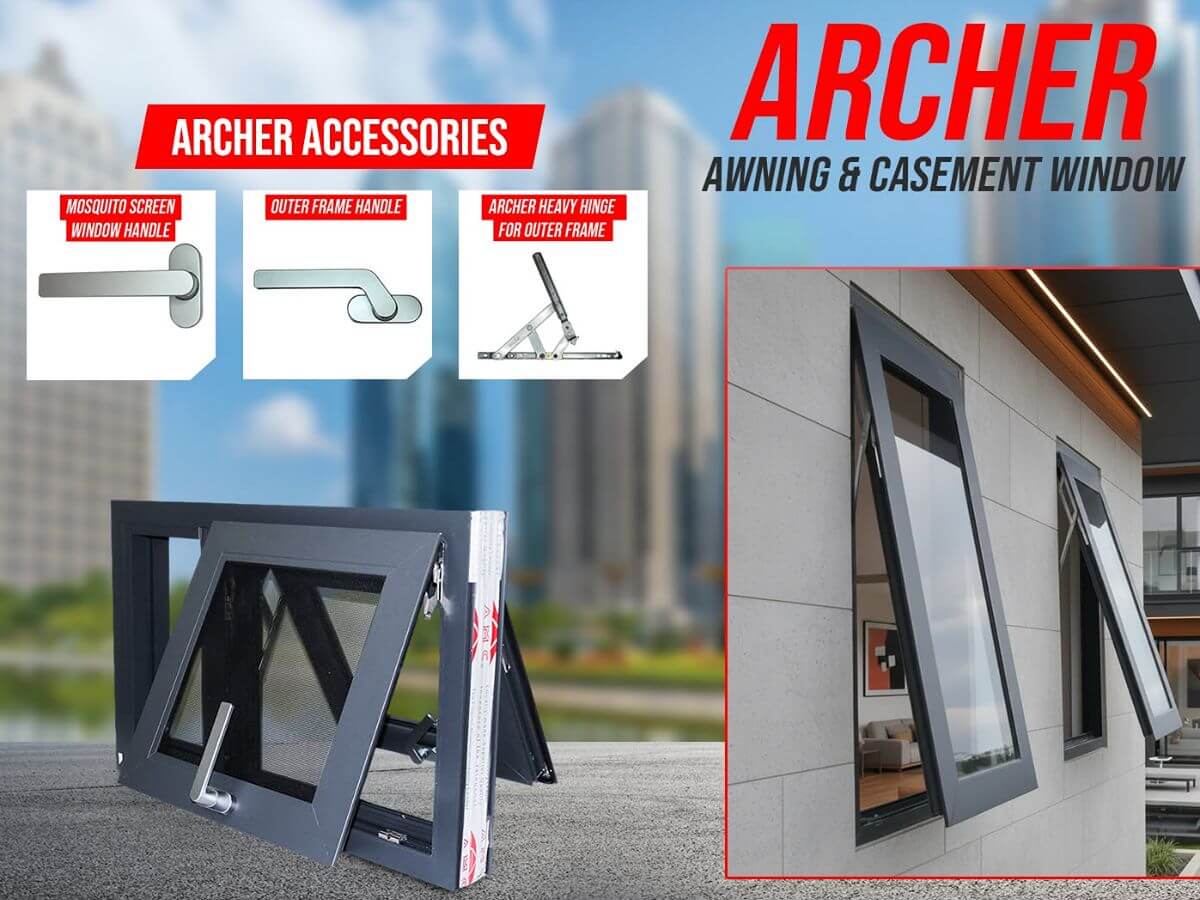
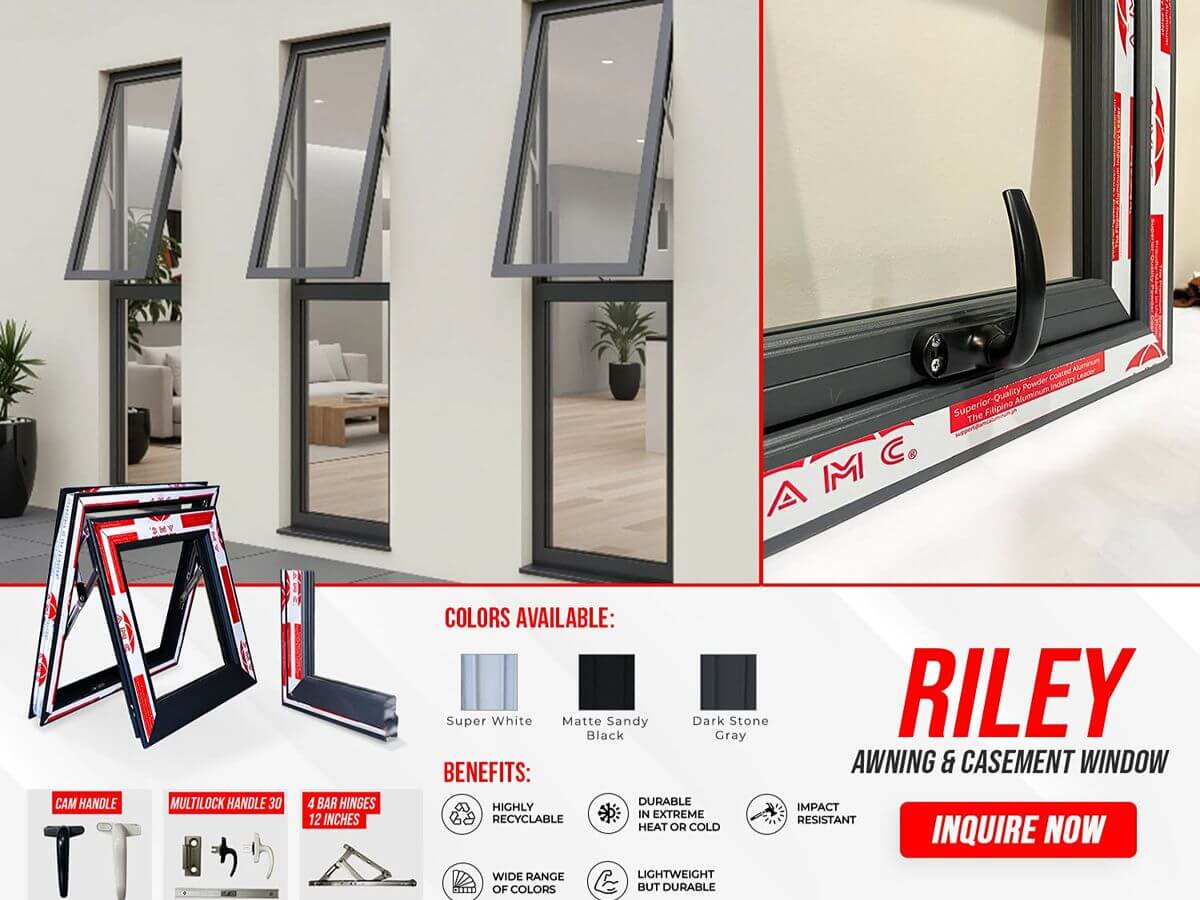
At AMC Aluminum, we supply aluminum profiles for awning windows, with standard options and custom designs to match your project’s dimensions, strength requirements, and preferred finish. We also offer anodizing and powder coating to keep the colors consistent across awning windows, fixed glass panels, sliding doors, and other parts of the building.
For bulk orders, working with a trusted and reliable supplier helps maintain consistent colors and finishes across multiple windows and building sections. It also offers fabricators and installers a dependable source for their materials, streamlining procurement and keeping large-scale projects on schedule.
Key Takeaway
Determining where awning windows work best in residential and commercial buildings starts with understanding how each space uses ventilation, natural light, and available wall space. The right placement improves indoor comfort while making the most of your building’s layout. The window profiles, hardware, and finishes you specify also affect how well the system meets your project’s requirements.
Contact us now for reliable aluminum profiles and window solutions suited to your building needs.

.jpg)
.jpg)
.jpg)