What to consider when selecting profiles for fabrication?
- Load requirements
- Material and alloy
- Environmental conditions
- Manufacturing and tolerances
- Cost vs. complexity
Overview
- The importance of selecting the right profile for fabrication lies in its impact on performance, efficiency, and overall project execution.
- Factors such as load requirements, material and alloy selection, environmental exposure, manufacturing tolerances, and cost versus complexity all influence how profiles behave during fabrication and installation.
- These considerations are especially critical for residential, commercial, and mid-rise applications where accuracy and reliability matter.
Selecting a profile for fabrication is rarely as straightforward as it seems. Every profile must balance structural demands, environmental exposure, manufacturing requirements, and budget considerations to achieve the expected outcome.
These factors are often interconnected, so a decision that works well for one requirement may affect another. That is why profile selection requires careful evaluation beyond basic geometry or appearance, and understanding how each factor influences fabrication and application can help prevent issues during production and installation.
With this in mind, let’s take a closer look at what to consider when selecting profiles for fabrication.
Load Requirements
A profile that seems sufficient during planning may behave differently once installed. This can be seen in wide window openings, large sliding door systems, or multi-story developments exposed to varying site conditions.
A practical way to evaluate this is to identify how the profile will be used in real-world operations. If the member mainly carries its own weight, glazing load, and normal operating forces, it is generally assessed under static loading.
If it must withstand repeated cycling, slamming, vibration, or moving hardware, it is exposed to dynamic or cyclic loading and usually requires a stiffer section with tighter deflection control.
Material and Alloy
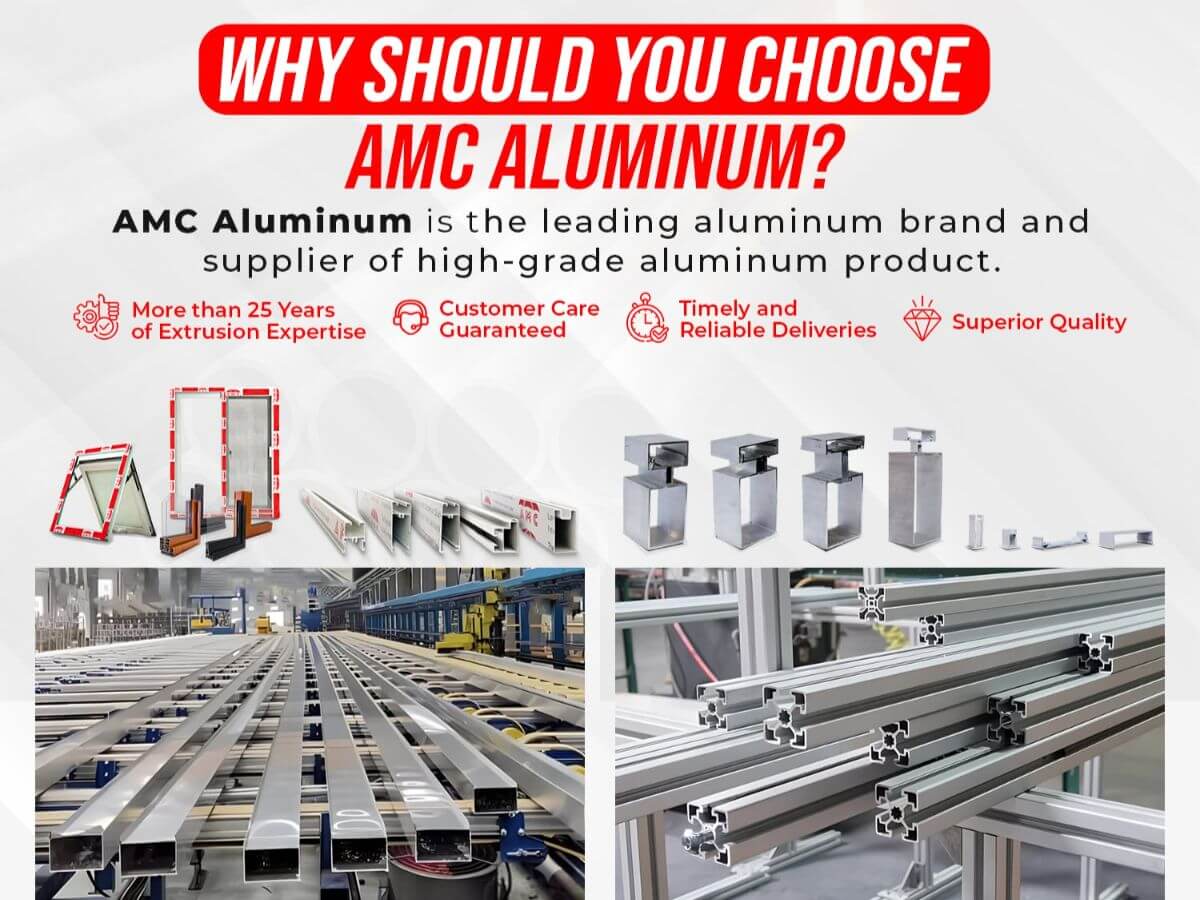
Material selection influences how an extruded aluminum profile performs during fabrication and in actual use. Even when two profiles share the same design, the alloy composition can significantly influence weight, formability, and workability.
Different alloys are selected depending on project requirements. Alloy 6061 is known for its versatility and strength and is commonly used in structural and transport-related applications. It performs well in CNC machining and welding.
On the other hand, Alloy 6063 is widely used for extruded architectural profiles such as window and door frames. It is preferred for its smooth surface finish and excellent extrudability.
This is why choosing the right alloy is critical to ensuring the profile aligns with both fabrication needs and the intended application.
Environmental Conditions
Exposure to moisture, chemicals, and extreme temperatures should always be considered when selecting materials. The main goal is to use materials with strong corrosion resistance or apply surface treatments to improve durability and maintain structural integrity over time.
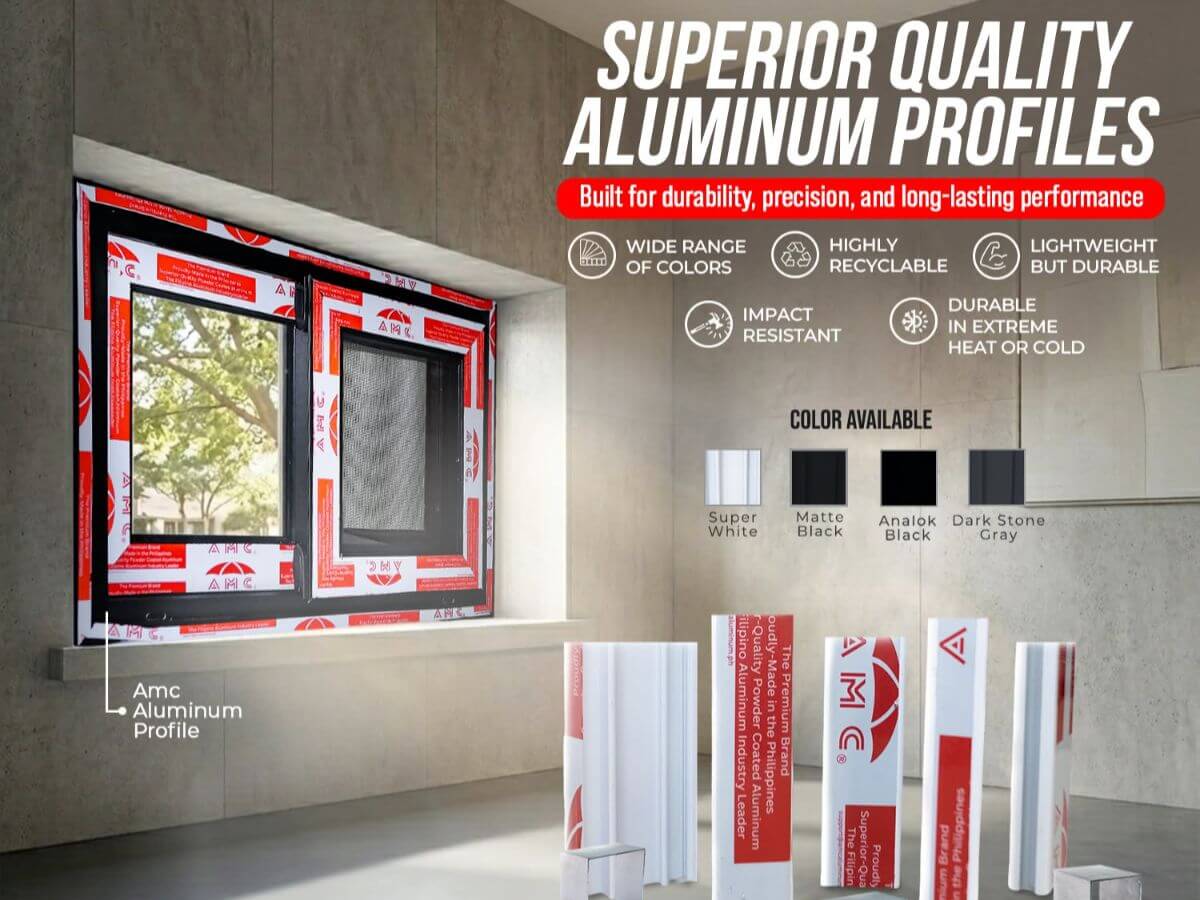
At AMC Aluminum, our profiles are designed with these conditions in mind. Aluminum naturally forms a protective oxide layer, helping resist corrosion while maintaining a favorable strength-to-weight ratio.
For added protection, surface treatments such as powder coating or anodizing can be applied. These create an extra barrier against environmental exposure and help improve surface longevity in different applications.
Manufacturing and Tolerances
Aluminum profiles are generally well-suited for cutting and CNC machining, but cutting accuracy involves more than a single measurement. It includes length tolerance, angle tolerance, end-face squareness, straightness after cutting, and burr or edge condition.
This is why precise dimensional control is essential, as it directly affects assembly accuracy and overall consistency of the finished system. While some variation is unavoidable in extrusion processes, tolerances define the acceptable range without affecting function.
With this, our profiles are produced from ISO-grade billets and extruded using advanced machinery in Taiwan. This is to help support controlled dimensional output and consistent profile quality across different fabrication requirements.
Cost vs. Complexity
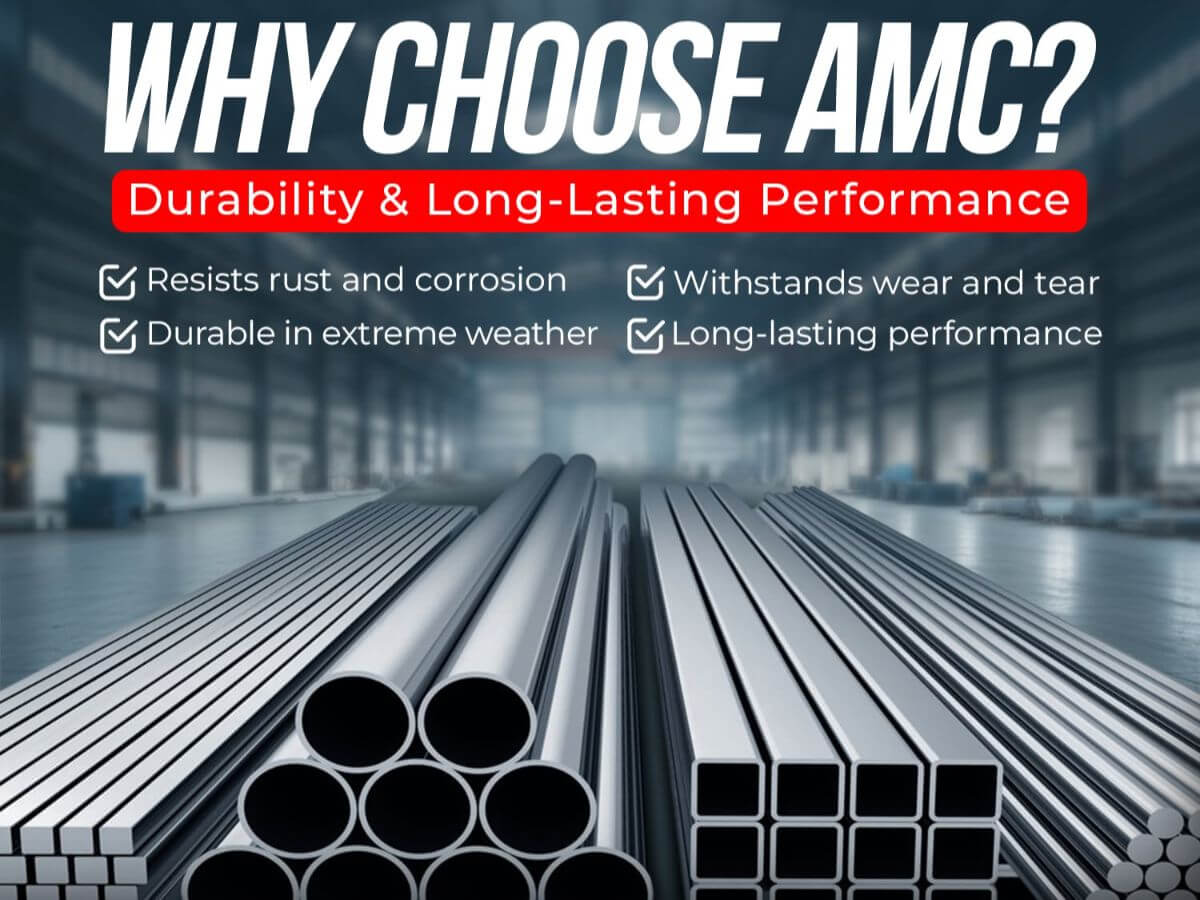
Cost considerations in profile selection go beyond material pricing and often depend on the design’s simplicity or specialization. In many fabrication projects, design complexity directly impacts both production requirements and overall project cost.
Standard aluminum profiles are typically more cost-efficient because they use existing dies and mass production processes. This reduces tooling costs and makes them a practical option when design flexibility is not critical.
On the other hand, custom aluminum profiles require new dies and more specialized manufacturing, which increases initial production costs. However, despite the higher upfront investment, custom profiles can provide long-term value through improved design optimization and reduced material waste during fabrication.
Key Takeaway
Understanding what to consider when selecting profile fabrication comes down to making informed trade-offs, ensuring that design intent aligns with how a profile will actually be used, produced, and installed. The value lies in evaluating these considerations early so decisions support both practicality and project requirements, rather than leading to adjustments later in the process.
With over 20 years of experience in the full aluminum production process, AMC Aluminum ensures consistent quality and fabrication-ready profile solutions designed to meet a wide range of application needs. You may explore our profiles or reach out to our team to discuss your specific project requirements.

.jpg)
.jpg)
.jpg)