What are the common mistakes to avoid when selecting extruded aluminum profiles?
- Choosing the wrong aluminum alloy
- Ignoring load and stiffness requirements
- Creating asymmetrical or uneven wall thickness
- Over-specifying tolerances
- Overlooking the “hardware lock-in”
Overview
- Extruded aluminum profiles are valued for their versatility and durability, but achieving reliable performance requires more than selecting the right dimensions.
- This article explores common mistakes to avoid when selecting extruded aluminum profiles, including improper alloy selection, overlooked load and stiffness requirements, uneven wall-thickness design, over-specifying tolerances, and ignoring hardware compatibility.
- Each factor can impact fabrication efficiency, structural stability, and long-term usability.
Extruded aluminum profiles are widely used for their versatility and durability across various applications. However, achieving the desired results involves more than selecting a profile that meets basic dimensional requirements.
Mistakes that seem minor during the design stage can lead to higher production costs, installation challenges, or performance issues later on. For this reason, it is important to evaluate the factors that influence profile performance before finalizing a specification.
But what exactly are the common mistakes to avoid when selecting extruded aluminum profiles? Is it the finish, the alloy, the dimensions, or something else entirely? Below are some of the most common oversights to watch for.
Choosing the Wrong Aluminum Alloy
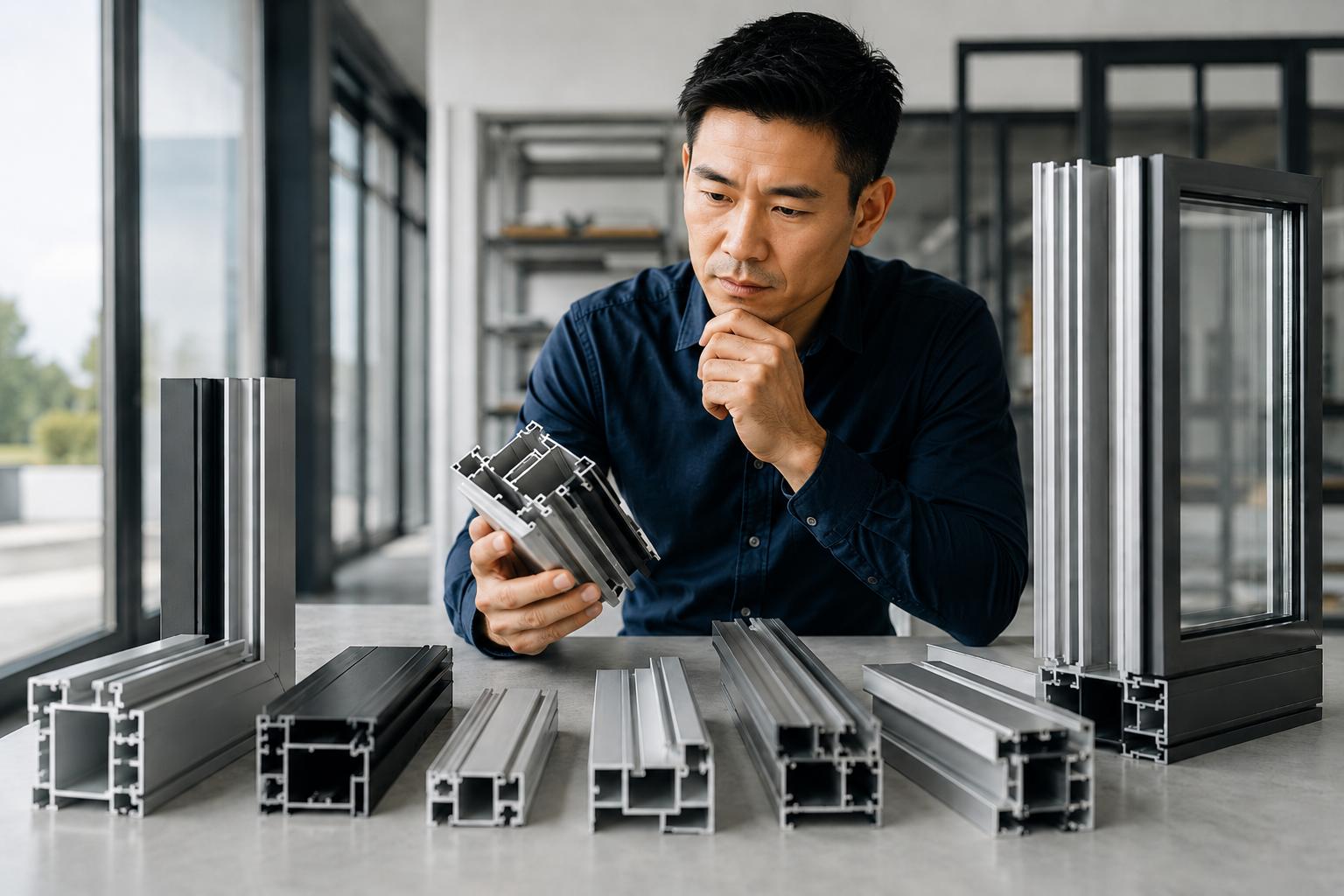
Assuming that any alloy can be used for any application may result in an extruded aluminum profile that falls short of performance expectations. In reality, different alloys are designed to provide varying levels of strength, corrosion resistance, and finish quality.
For example, alloy 6061 is often preferred for applications requiring higher strength and durability, and it offers good corrosion resistance, making it suitable for outdoor and marine environments. Meanwhile, alloy 6063 is commonly used for architectural extrusions, such as door and window profiles, because of its excellent extrudability and ability to achieve smooth finishes.
With this, you should select an alloy based on the specific requirements of your application, whether for environmental durability or to match your architectural vision.
Ignoring Load and Stiffness Requirements
Load and stiffness influence how it responds to stress such as wind pressure, structural weight, and everyday operational loads. When these factors are not properly considered, an extruded profile may experience deflection, bending, or long-term deformation.
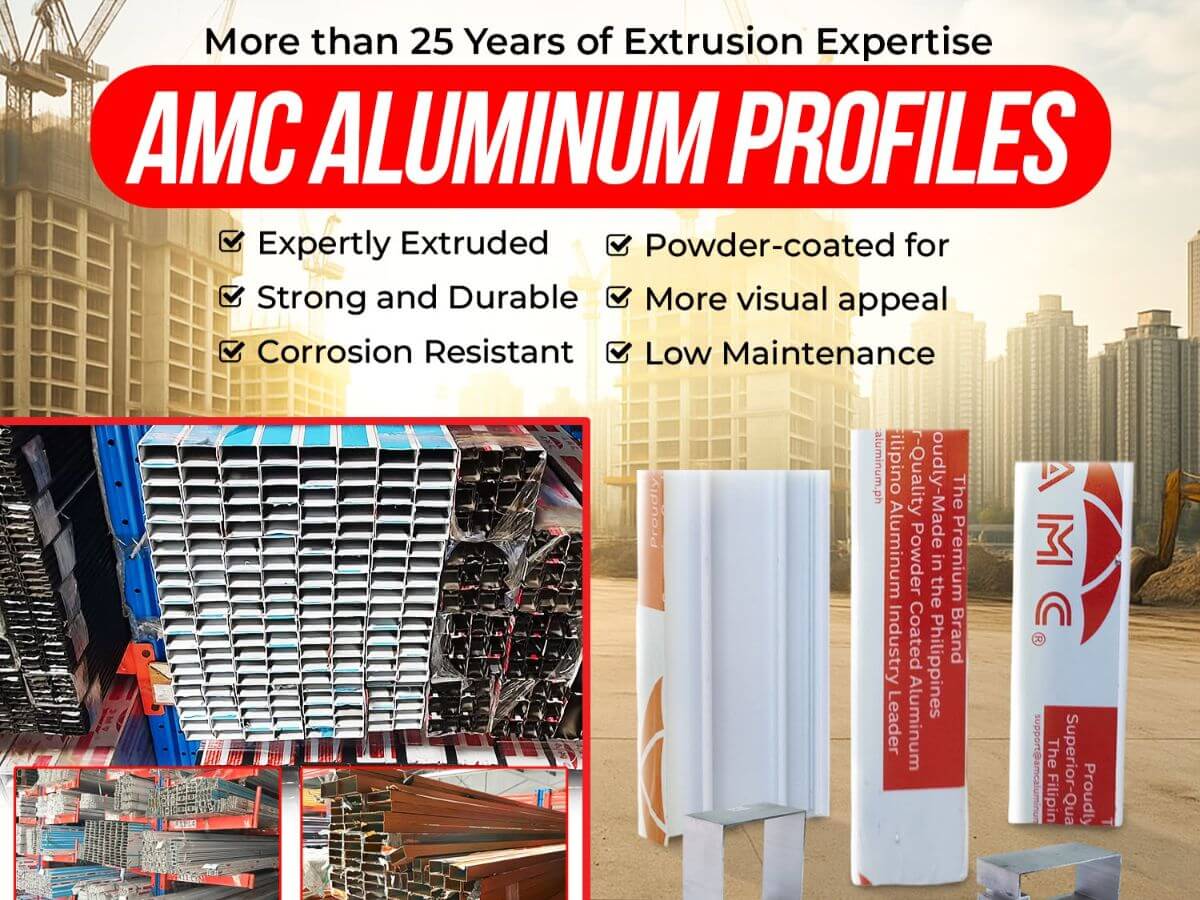
Our aluminum profiles have a high strength-to-weight ratio, allowing them to withstand wind loads and seismic forces without adding unnecessary mass. This makes it well-suited for applications that require both structural stability and material efficiency.
But to properly address load and stiffness requirements, start by determining whether the application is static or dynamic. From there, calculate load magnitude and span length, and ensure joints are arranged to minimize excessive tensile stress on fasteners.
Creating Asymmetrical or Uneven Wall Thickness
In aluminum extrusion, material flow must remain consistent as the billet is pushed through the die. Uneven wall thickness can disrupt this process, which leads to fabrication challenges such as distortion, warping, or inconsistent cooling behavior. Over time, these issues may result in reduced dimensional stability and variations in the final product.
This is why fabrication considerations are critical during the design stage. A profile that is difficult to extrude consistently may lead to performance inconsistencies in the final product.
At AMC Aluminum, our aluminum profiles are produced from ISO-grade quality billets and extruded using the latest Taiwan machinery. We guarantee consistent material quality and precise extrusion control to help maintain uniform geometry and stable profile performance throughout production.
Over-Specifying Tolerances
While precision is important in aluminum profile design, setting excessively tight tolerances can create unnecessary challenges during production and increase overall manufacturing complexity.
In extrusion processes, minor variations are naturally expected due to material behavior, cooling rates, and standard production conditions. When tolerances are defined too strictly, even acceptable variations within industry norms may be treated as defects, resulting in longer lead times.
To balance precision and manufacturability, extrusion profile tolerances should follow BS EN 755-9, a European standard defining acceptable dimensional and form limits for extruded aluminum profiles. This standard helps ensure consistent quality while still allowing for normal and unavoidable manufacturing variations.
Overlooking the “Hardware Lock-In”
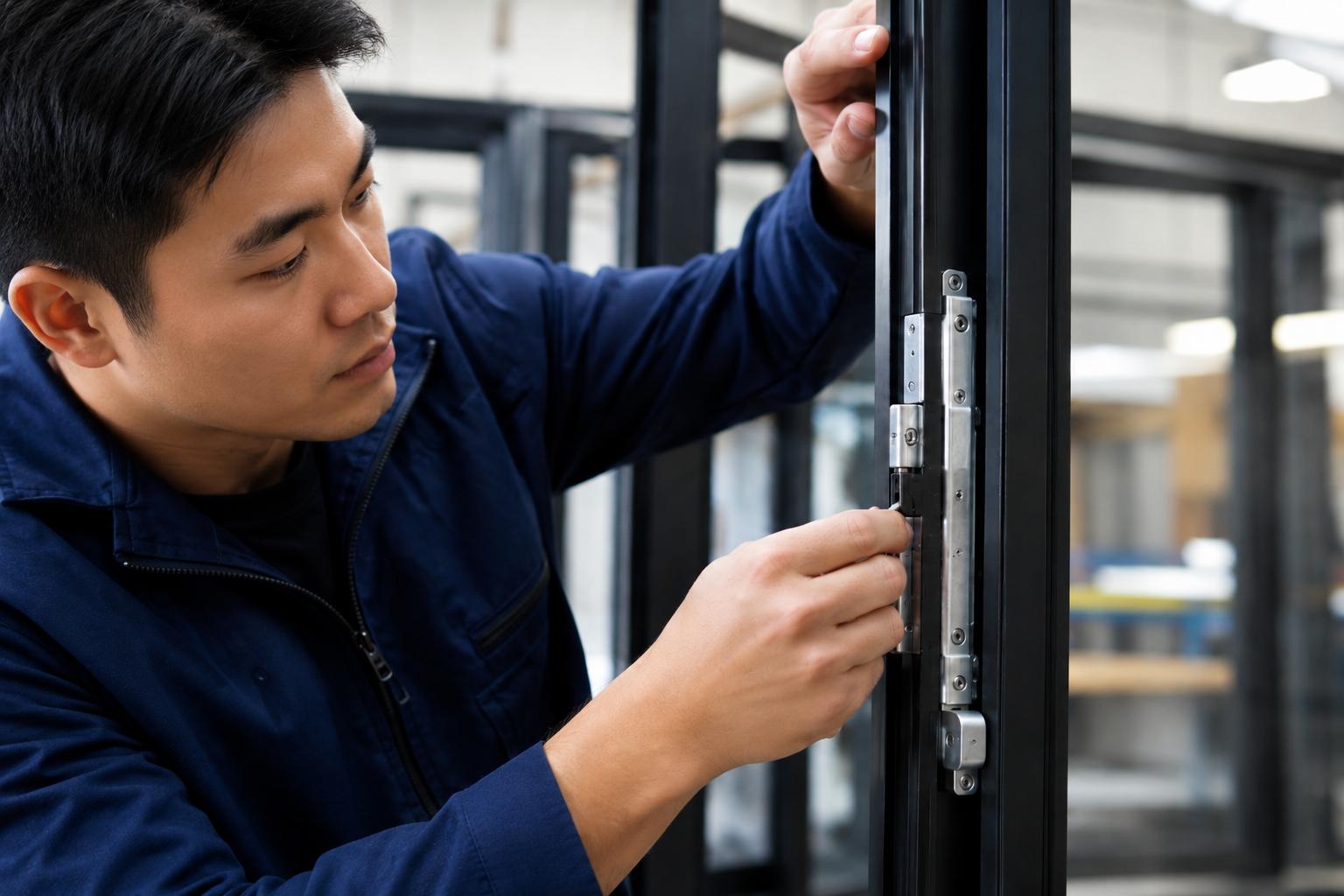
When a profile is designed without properly considering the range of hinges, locks, and rollers to be integrated into the system, it may result in compatibility issues. Mismatched hardware interfaces may lead to installation difficulties, reduced functionality, or costly modifications during fabrication.
To avoid this, profiles should be developed with hardware integration in mind, ensuring that locking systems and moving mechanisms fit precisely within the intended profile design. This helps maintain smooth installation, consistent performance, and long-term reliability.
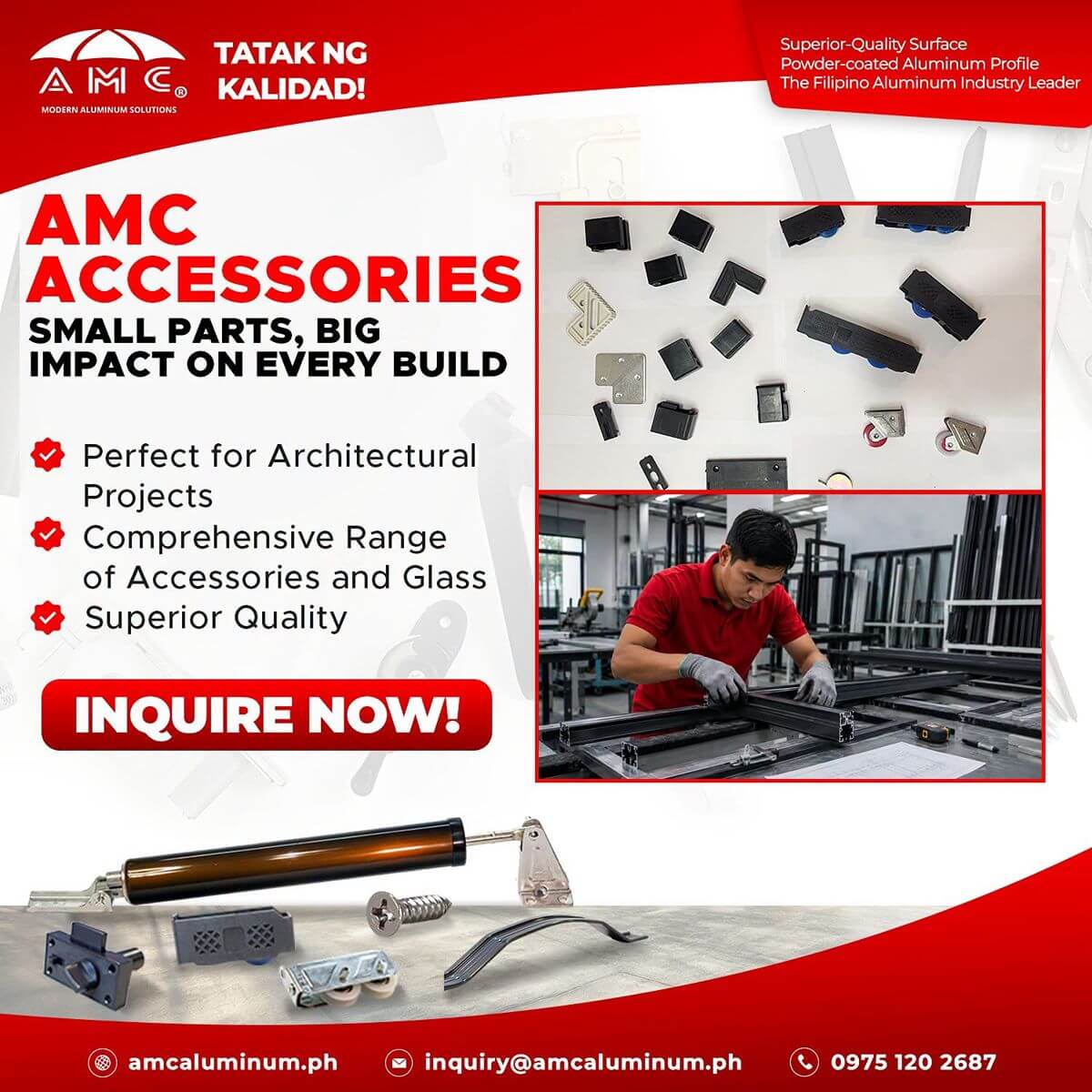
Which is why our profile systems are designed with hardware integration in focus, offering compatible accessories such as hinges, locks, and other components. With this, we can support seamless assembly and dependable operation across different applications.
Key Takeaway
Understanding the common mistakes to avoid when selecting extruded aluminum profiles is essential in ensuring that every design decision supports long-term performance, fabrication efficiency, and system reliability.
As a leading supplier of high-quality extruded aluminum profiles, we provide you with more reliable and precisely engineered solutions.
You may also browse our range of profiles and accessories or connect with our team for customized recommendations tailored to your specific project requirements.

.jpg)
.jpg)
.jpg)