How does the aluminum profile extrusion process affect product quality?
- Extrusion speed
- Temperature control
- Tool alignment and die condition
- Quenching (cooling rate)
- Post-extrusion aging
Overview
- The aluminum profile extrusion process directly dictates a product’s strength, dimensional accuracy, surface finish, and long-term performance.
- Strict control over speed, temperature, alignment, cooling, and aging prevents common defects like scratching, warping, or cracking during installation.
- Partnering with a precise supplier like AMC Aluminum ensures ISO-grade quality and reliable profiles for every project.
Producing an aluminum profile is more than simply shaping the material. For anyone specifying or sourcing aluminum for a residential, mid-rise, or architectural project, understanding how the aluminum profile extrusion process affects product quality helps explain why some profiles perform for decades while others develop problems within a year or two.
Every stage of the process — from how fast the metal is pushed through the die to how it’s cooled and aged afterward — leaves its mark on the finished profile. Get these right, and you get a profile that holds its shape, finish, and strength. Get them wrong, and the defects show up later, often after the profile is already installed.
This article walks through the five process factors that most directly affect quality, the defects that result when they’re not controlled, and what that means if you’re the one specifying the material.
Why Extrusion Quality Matters to Developers, Architects, and Designers
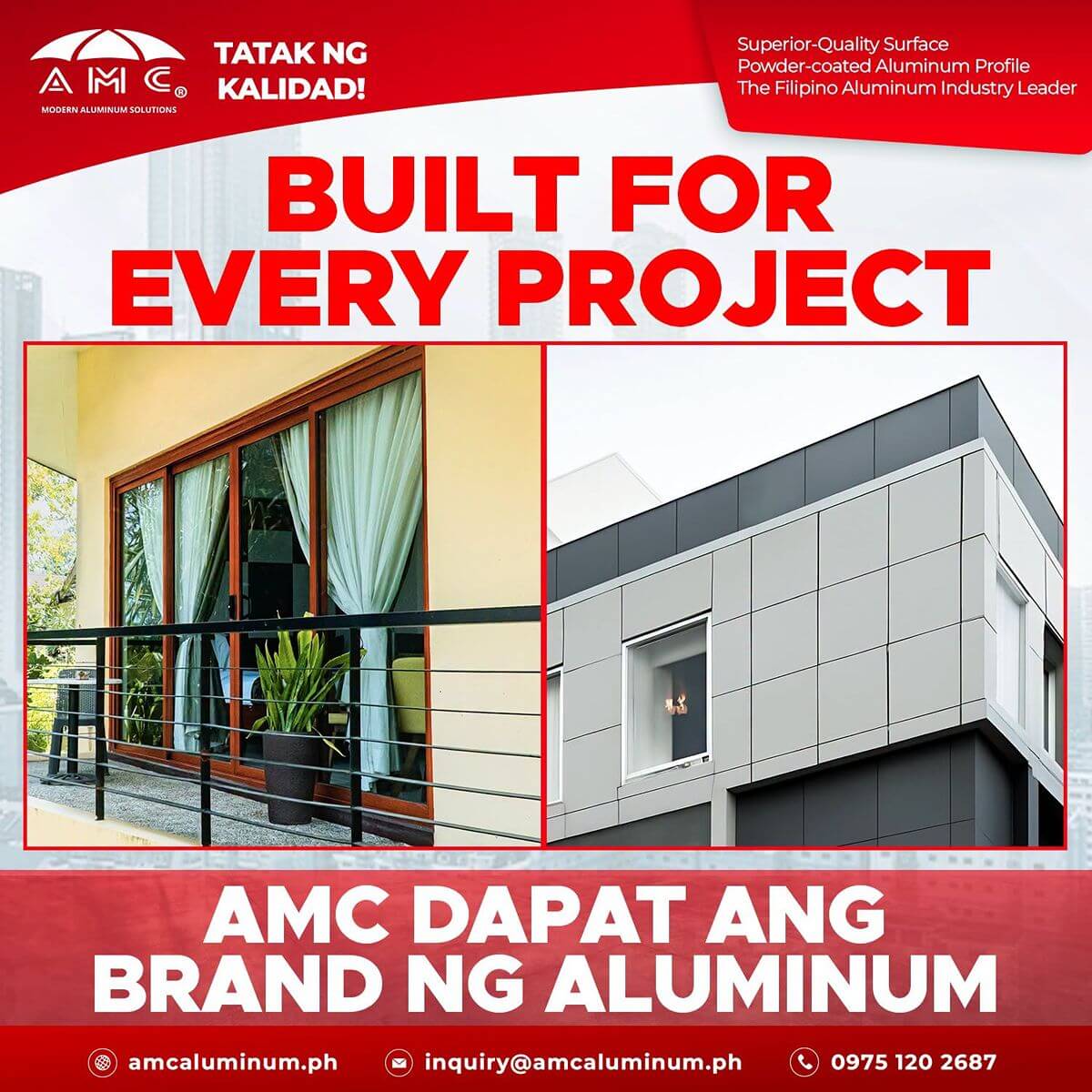
For developers, high extrusion quality prevents callbacks, avoids costly site delays, and ensures window and door frames maintain their finish through warranty periods and beyond. Poorly extruded profiles lead to job site rework and disputes with contractors—hidden expenses that quickly erode budgets once installation begins.
For architects and designers, extrusion quality determines whether a profile can deliver crisp lines, tight tolerances, and seamless modern aesthetics. Warped or twisted profiles disrupt curtain wall sightlines, while surface defects ruin powder coating or anodizing.
Extrusion Speed
Extrusion speed dictates how quickly aluminum is forced through the die. Higher speeds boost manufacturing throughput, but velocity must be tightly calibrated to alloy, billet temperature, and profile geometry.
Uncontrolled speeds generate excessive frictional heat and uneven material flow, causing surface tearing, dimensional instability, or structural cracking.
Temperature Control
Thermal uniformity during extrusion directly governs metal flow, surface finish, and mechanical integrity. Maintaining a precise temperature range prevents internal stresses and localized grain structure variations.
Uneven cooling or overheating creates visible surface defects and inconsistent dimensions—a major liability for exposed facade elements and window frames where visual uniformity is critical.
Tool Alignment and Die Condition
Flawless alignment between the press, container, stem, and die ensures balanced metal flow. Misaligned tooling or worn die bearing surfaces cause uneven wall thickness, twisting, and off-spec dimensional variances. Detecting these geometric defects late in production leads to expensive scrap rates, fabrication issues, and site-wide installation delays.
Quenching (Cooling Rate)
Immediately after exiting the die, profiles undergo rapid cooling to lock alloying elements into a supersaturated solid solution. Precise quench rates are vital for heat-treatable alloys to achieve targeted strength properties. Inadequate or uneven cooling causes material distortion, loss of straightness, and failure to meet required structural benchmarks.
Post-Extrusion Aging
Post-extrusion aging uses controlled thermal treatment to form fine precipitates within the aluminum matrix, maximizing material hardness and tensile strength. Under-aging leaves profiles soft and weak, while over-aging coarsens the matrix and degrades load-bearing capacity. Strict time and temperature control turns raw extrusions into dependable architectural components.
Common Quality Defects from Poor Process Control
Understanding how the aluminum profile extrusion process affects product quality also means recognizing the common defects that can result from poor process control.
Surface Scratches and Lines
Extruded profiles exit the die at high temperatures before reaching full hardness, leaving them highly vulnerable to mechanical damage. Dragging profiles across contaminated worktables or letting them rub during stacking, transport, and packaging creates unsightly scratches and die lines. Enforcing strict handling protocols, clean work surfaces, and protective packaging prevents surface degradation before final processing.
Twisting and Warping
Twisting rotates a profile along its axis, while warping causes bowing, rippling, or loss of flatness along its length. These structural distortions stem from uneven metal flow through the die or non-uniform cooling post-extrusion. Balanced die engineering, precise thermal control, and proper stretching or support during cooling keep profiles straight—an absolute necessity for long, continuous runs like curtain walls and sliding door frames.
Internal Stress and Cracking
Internal stresses develop when extrusion parameters mismatch the alloy’s physical limits, leading to surface micro-cracks or deep structural fractures. Impure billet compositions, poor hot workability, or improper billet pre-heating exacerbate this risk. Maintaining tightly controlled billet chemistry, optimal pre-heat temperatures, and steady extrusion speeds relieves internal stress and secures structural integrity.
Key Takeaway
The quality of an aluminum profile depends on proper control of every stage of the extrusion process, from speed and temperature to cooling and aging. These controls help ensure consistent, durable, and reliable profiles.
AMC Aluminum offers aluminum extrusion solutions designed to meet the quality and performance requirements of various applications, bringing your project requirements to life.
Contact us to discuss your requirements and find the right aluminum solution for your project.

.jpg)
.jpg)
.jpg)