Overview
- Surface treatments enhance aluminum profiles by improving durability, corrosion resistance, and visual quality.
- Processes such as anodizing, powder coating, electrophoretic coating, fluorocarbon spraying, and sublimation transform raw aluminum into reliable materials suited for demanding architectural and construction applications.
Aluminum profiles may begin with a precise extrusion process, but their long-term performance ultimately depends on how their surfaces are treated afterward. Surface finishing determines how well components maintain their reliability across years of installation. Without proper finishing, profiles can gradually lose their surface integrity when exposed to environmental conditions.
To better understand how high-quality aluminum components are completed, professionals must learn how surface treatments transform aluminum profiles. These finishing processes strengthen the metal surface while enhancing the visual qualities required in modern construction.
With AMC Aluminum as your guide, professionals can evaluate finishing options and select profiles designed for long-term performance.
Key Ways Surface Treatments Transform Aluminum Profiles
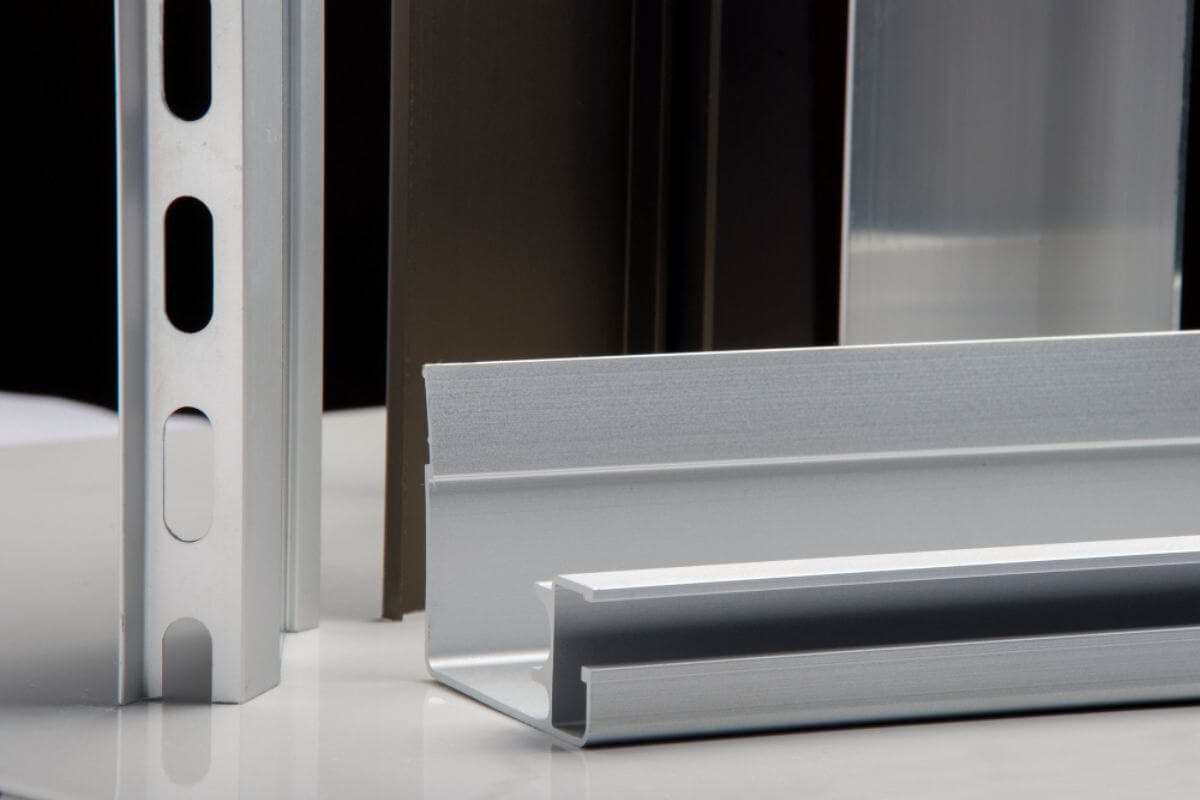
Surface treatments improve aluminum profiles by strengthening their outer layer and increasing resistance to environmental exposure.
While untreated aluminum already offers corrosion resistance, specialized finishing processes enhance durability, improve appearance, and prepare extruded profiles for demanding architectural and construction applications.
Anodizing
Untreated aluminum can develop oxidation and surface wear over time, which may affect surface durability. Anodizing addresses this by creating a thick oxide layer through an electrolytic process that improves corrosion resistance and surface hardness.
Because the anodized layer becomes part of the aluminum itself, it does not peel or flake. The process also improves abrasion resistance and allows metallic color finishes through dyeing. This makes anodized aluminum suitable for architectural frames and exposed aluminum surfaces.
Powder Coating
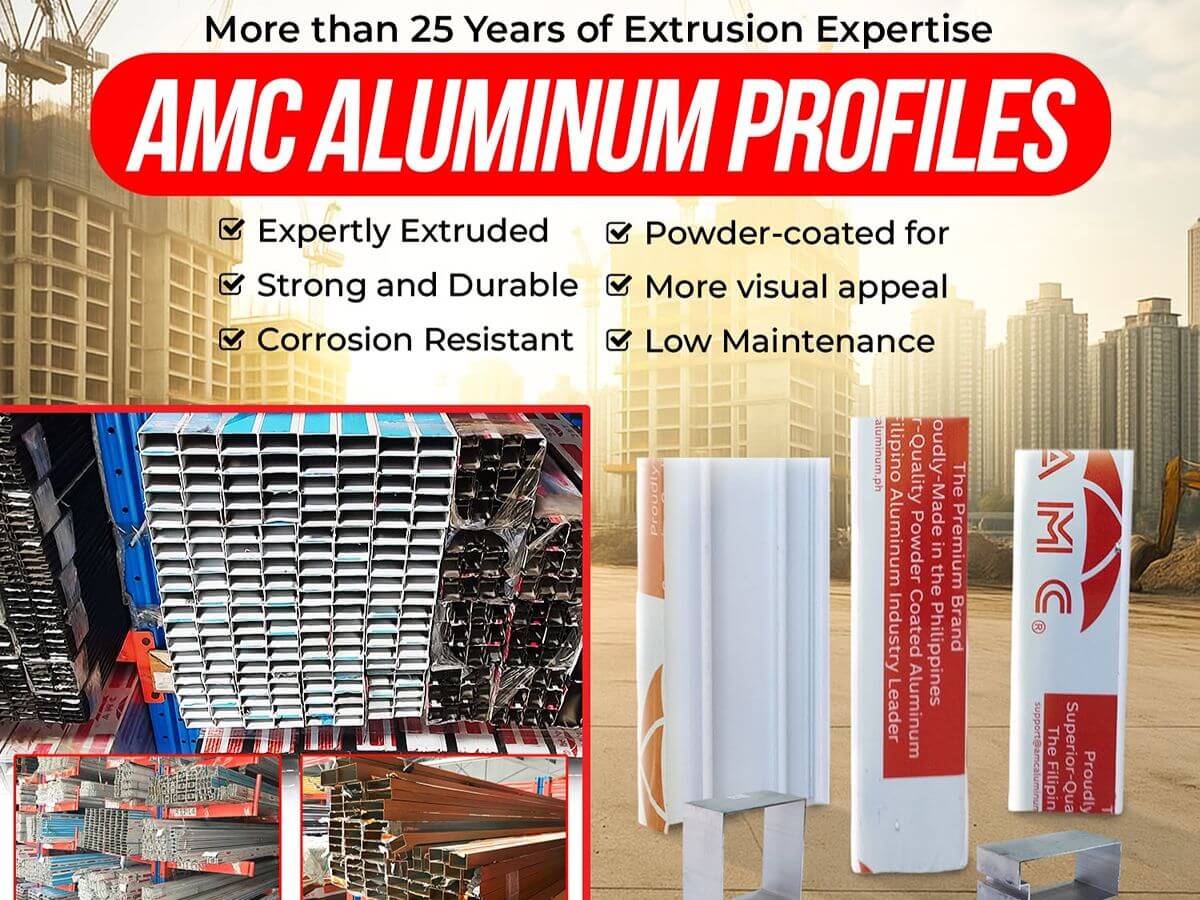
Powder coating transforms aluminum profiles by adding a durable and visually customizable layer to their surface. Raw aluminum, while naturally corrosion-resistant, remains vulnerable to scratches and surface wear in outdoor environments. Powder-type coating can provide a uniform finish that enhances surface hardness and allows for a wide range of colors and textures.
Curing temperatures between 180°C and 200°C ensure strong adhesion and a long-lasting finish. With this, the coating resists chipping and corrosion, significantly extending the profiles’ service life. Its UV resistance also prevents the aluminum from suffering from fading and discoloration. Together, these help maintain both the aesthetic quality and performance of the profiles over time.
Electrophoretic Coating
Electrophoretic coating provides profiles with a uniform, ultra-thin protective layer that enhances their corrosion resistance. The uneven surfaces of untreated aluminum are especially prone to localized corrosion. However, with the coating’s controlled immersion process, it ensures complete coverage across complex shapes and cavities. This protects hard-to-reach areas evenly while delivering a consistently durable finish.
Beyond protection, the coating produces a smooth and dimensionally precise surface to preserve each profile’s unique geometry. Its consistent finish makes profiles suitable for both visible architectural elements and supportive structures, offering long-lasting performance in exterior and interior environments.
Fluorocarbon Spraying
With Polyvinylidene fluoride (PVDF)-based fluorocarbon coatings, aluminum profiles gain a chemically resistant, weatherproof layer that preserves surface gloss and color over time. The process strengthens the metal against UV radiation and pollutants while maintaining a visually consistent finish. The coating also supports architectural integrity to ensure profiles remain both durable and aesthetically precise.
Aluminum exposed to prolonged sunlight, moisture, or airborne contaminants can develop surface defects that compromise the component’s performance. Fluorocarbon spraying counteracts these effects and stabilizes the surface in demanding outdoor environments. This ensures that curtain walls and other exposed applications retain both their design intent and long-term functionality for years to come.
Sublimation
Since plain aluminum surfaces limit design possibilities, sublimation is used to transfer decorative patterns, such as wood grain textures, onto powder-coated profiles. This technique embeds the pattern directly into the coating, producing visually rich finishes while maintaining the metal’s inherent durability.
Sublimation allows aluminum to mimic natural materials without the maintenance challenges brought by wood or other substrates. Sublimated profiles retain resistance to moisture and insect damage, making them ideal for window trims or decorative elements that require both design fidelity and lasting performance in outdoor applications.
Key Benefits of Surface Treatments
Surface treatments enhance aluminum profiles by improving both durability and visual quality. These processes help ensure the material meets the performance standards required in modern construction.
Key benefits include:
- Enhanced durability for long-term exposure to environmental conditions
- Improved aesthetics through consistent finishes and color options
- Increased surface hardness for better resistance to wear and abrasion
- Greater versatility across architectural and structural applications
Get High-Quality Aluminum Profiles From AMC Aluminum
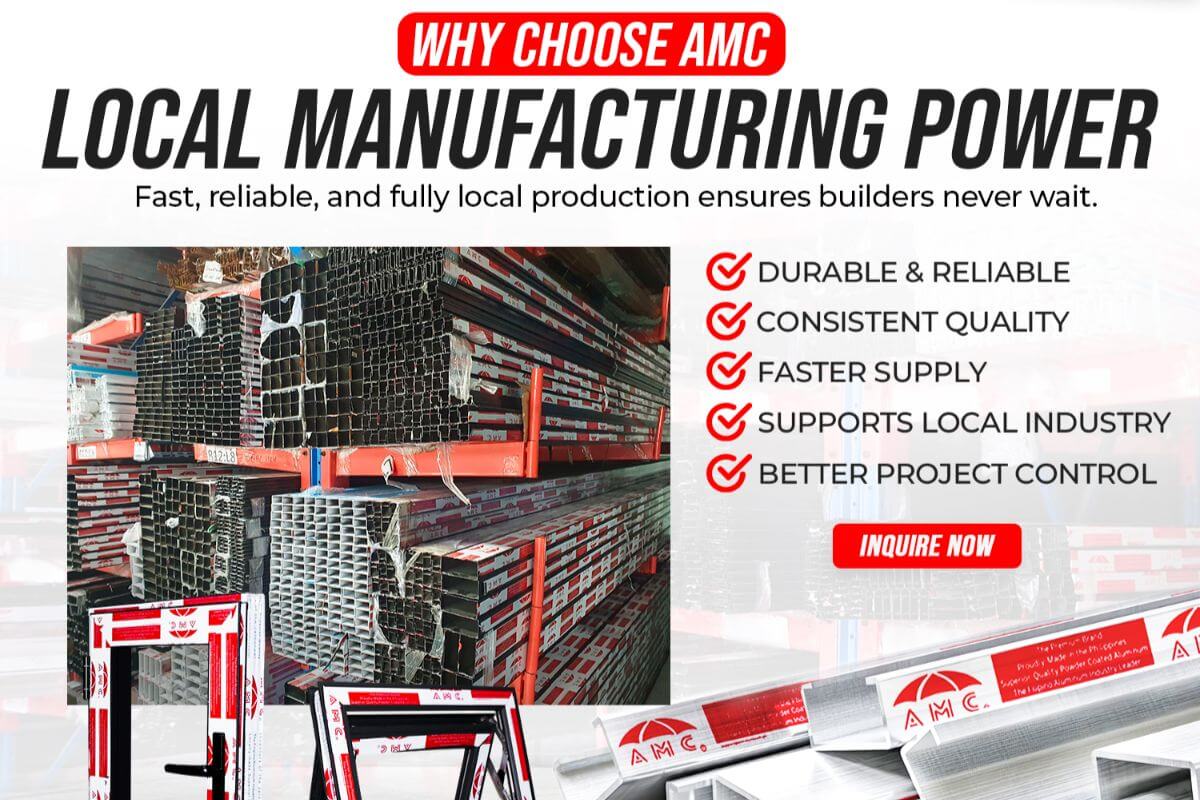
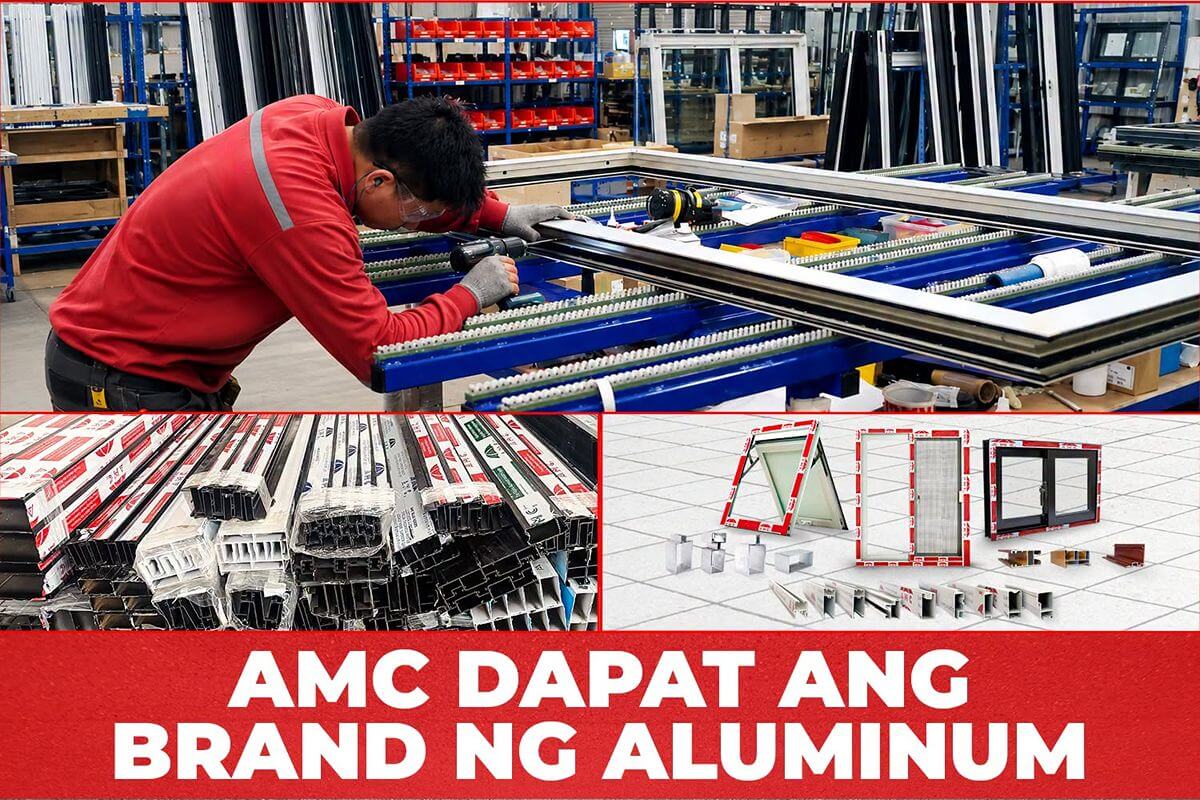
With more than 20 years of experience, AMC Aluminum has built a reputation for delivering premium aluminum profiles that combine precision engineering with lasting performance. We use advanced manufacturing techniques to produce a wide variety of profile series designed to meet the exacting standards of seasoned construction professionals.
Every profile undergoes comprehensive surface treatments and strict quality control to ensure durability and visual consistency. With AMC Aluminum, professionals gain access to high-performance profiles that retain structural integrity and design appeal in the most demanding applications.
Key Takeaway
Knowing how surface treatments transform aluminum profiles is essential for creating components that perform reliably in any project. With proper finishing, professionals can turn standard aluminum into durable profiles built for long-term performance.
With AMC Aluminum’s expertise, professionals can choose profiles that combine performance with versatile design. Contact us today to ensure you use the highest quality materials for your project.

.jpg)
.jpg)
.jpg)