What are the ways to strengthen aluminum?
- Cold working
- Powder coating
- Alloying aluminum
- Precipitation hardening
Aluminum is one of the most abundant metals on the planet, comprising about 8% of the Earth’s crust. It is lightweight, easy to fabricate, highly recyclable, affordable, and highly resistant to corrosion. But most of all, you will mainly find aluminum products being used across a variety of industries because of their durability. Did you know that there are many ways to strengthen aluminum to make it more useful in different industries such as manufacturing, construction, transportation, aerospace, and consumer electronics?
You might find that some aluminum products are not strong enough for your projects. Fortunately, some manufacturers and suppliers offer several options when it comes to strengthening aluminum. Read this guide to learn about the different ways to strengthen aluminum.
Cold Working
One of the common ways metals are shaped is through heat and pressure. A blacksmith will typically pound on a heated piece of metal to mold it into a certain shape. However, there is another way to shape metals and improve their durability. This process is known as cold working.
Cold working is commonly used for metals such as steel, copper, and aluminum. Instead of exposing the aluminum to extreme heat, cold working involves subjecting aluminum to below the recrystallization temperature. Simply put, the recrystallization temperature is the point where the structure of the metal becomes reoriented. Exposing aluminum to these temperature levels alters the crystalline structure. Therefore, the strength of the aluminum increases significantly compared to its pre-cold-worked condition.
Cold working affects the arrangement of atoms within the aluminum alloy. In its fully cold-worked state, the yield strength of aluminum can reach up to 24 ksi (165 MPA).
Powder Coating
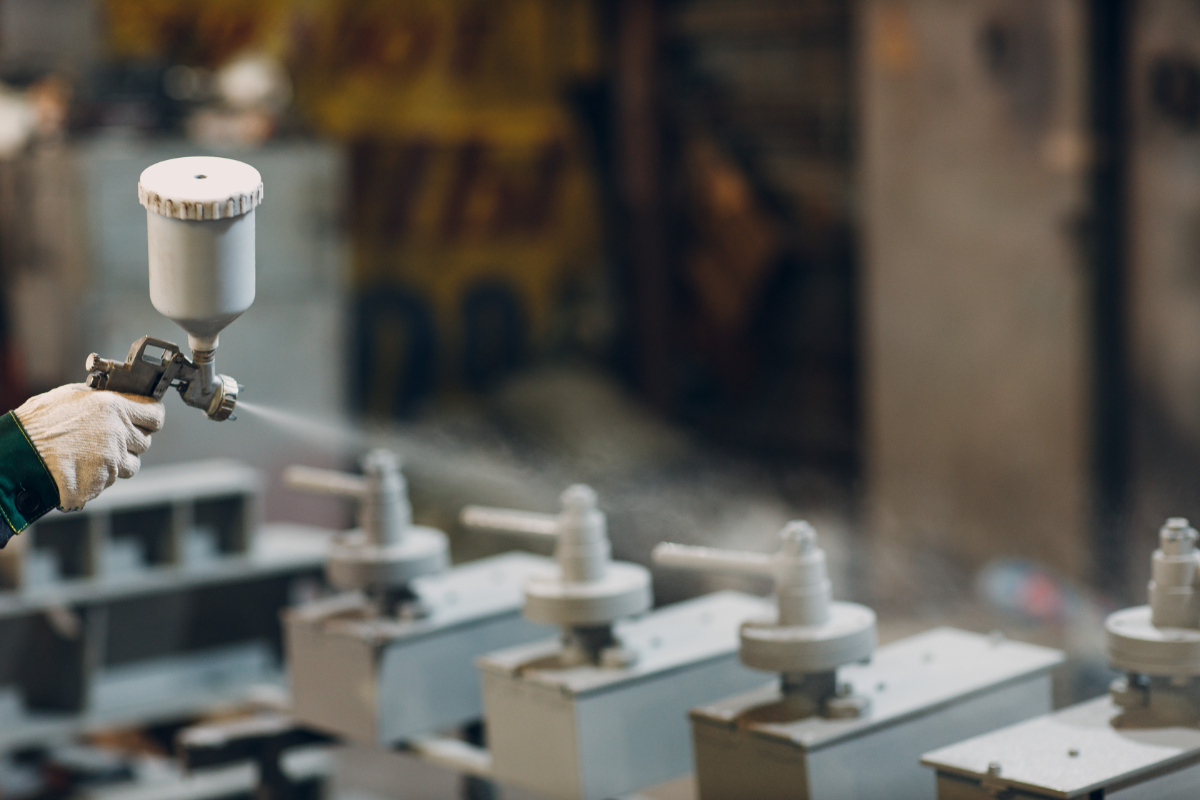
If you want a cost-effective and no-fail way to strengthen your aluminum products, consider powder coating. Powder coating is a type of coating process applied onto a metal surface as a dry powder. Unlike traditional liquid paint that is applied through an evaporating solvent, powder coating is applied electrostatically. The electrical charges cause the powder to stick to the metal surface. Afterward, it is cured under heat or UV light.
Powder coating is done to make an aluminum product have a tougher finish. Compared to conventional paint, powder-coated aluminum is more durable and eco-friendly. It is more resistant to chipping, scratching, and fading. Powder-coated aluminum is also resistant to corrosion, which is a common problem among metal products. Any aluminum material that has been powder coated, es extremely easy to maintain over a long period, therefore becoming more cost-effective.
At AMC Aluminum, we offer powder-coated aluminum products such as windows, doors, and awnings. We use the latest ISO Taiwan machinery and 3 stations of quality control checking including the micron, punch, and scratch test to ensure your powder-coated aluminum profiles are fabricated with durability in mind.
Alloying Aluminum

The concept of alloying is not new to many people. The process of alloying has been used for the past 5000 years. It involves heating multiple metals until they are molten. Once molten, the solution is mixed and solidified. The result is a tougher and hardened alloy made of a combination of various metals. Following this logic, combining aluminum with certain metals can strengthen it. This way, aluminum becomes much more ideal for several industrial applications that require durability.
Keep in mind that each aluminum alloy is unique with different durability properties. So, you must know which alloying metal is best suited for your application.
Some of the most common metals aluminum is alloyed with include zinc, magnesium, copper, and silicon. The strongest among these alloys are the aluminum-zinc ones.
Precipitation Hardening
Precipitation hardening is a type of treatment process that makes use of heat. With this treatment, aluminum alloy is hardened and added fine, solid impurities called precipitates. Usually, this process is done using heat with temperatures ranging from 450 to 600 degrees Celsius. Through precipitation hardening, the aluminum alloy will have both increased yield and tensile strength.
Key Takeaway
With a little education, you can make your aluminum products more durable, while retaining their other great properties. There are many ways to strengthen aluminum such as cold working, powder coating, alloying, and precipitation hardening. Hopefully, this guide has provided you with ideas on how to make your aluminum products durable and more useful for a variety of applications.
Looking for durable aluminum products? At AMC Aluminum, we offer high-quality aluminum profiles in the Philippines through state-of-the-art processes like powder coating and stringent quality control techniques. Check out our aluminum products by clicking here. Or, contact us today for other inquiries and product quotations.

.jpg)
.jpg)
.jpg)