Overview
- Aluminum extrusions are widely used in modern construction due to their strength-to-weight efficiency, design flexibility, and corrosion resistance.
- They are commonly applied in windows, doors, and façade systems, especially in tropical environments like the Philippines.
Their profiles, finishes, and accessories support durable, precise, and adaptable building solutions across various applications.
In modern construction, material selection often shapes how design intent translates into actual build outcomes. As projects become more detailed, the way you specify components can directly affect execution and on-site consistency.
From façade systems to interior framing applications, aluminum extrusions are increasingly used because they give you flexibility across different building requirements. Whether they are the right fit for your project depends on how they perform under real installation and environmental conditions.
In this guide to aluminum extrusions for construction projects, we take a closer look at the factors that influence their use in different applications and what makes them a common consideration in modern building design.
Where Are Aluminum Extrusions Used in Construction?
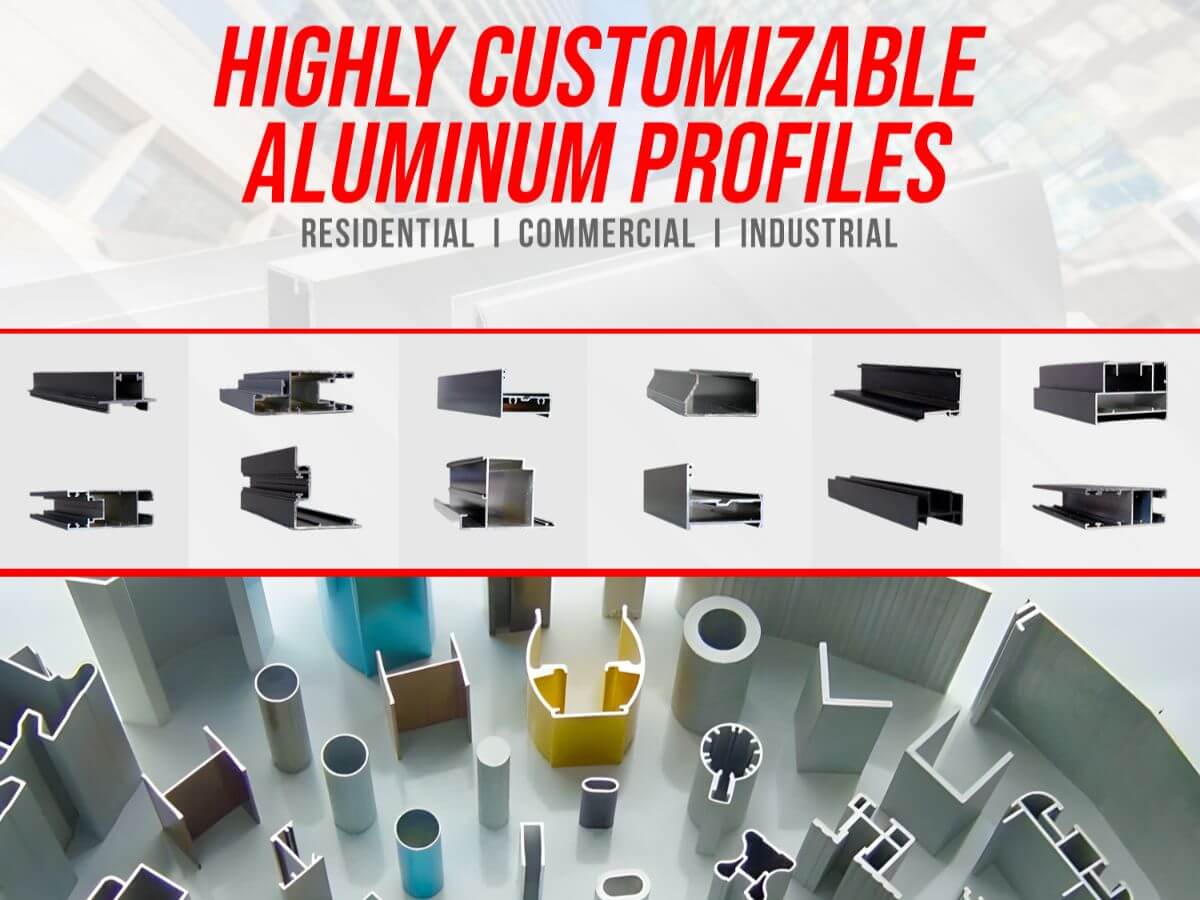
Aluminum extrusions are used in construction for their consistency, durability, and precise dimensions. Their versatility allows them to serve as both structural and architectural components across various systems.
They provide lightweight, stable, and reliable framing solutions that enhance overall building performance.
Common Applications in the Philippines
In the Philippines, aluminum extrusions are most commonly used in window and door systems, including:
- Sliding doors
- Casement windows
- Awning windows
- Fixed windows
- Main entry systems
They are also widely applied in screen doors and enclosure systems, especially in areas exposed to high humidity and coastal conditions.
Performance in Local Conditions
In environments with constant moisture, heat, and salt exposure, aluminum’s corrosion resistance becomes a key advantage. It helps reduce material degradation over time, ensuring long-term durability and maintaining system performance even under challenging weather conditions.
Key Features That Make Them Suitable for Projects
The use of aluminum extrusions in construction is closely linked to how their material properties respond to on-site conditions. In environments like the Philippines, where heat, humidity, and salt exposure are constant factors, these characteristics become important when evaluating long-term performance.
Strength-to-weight ratio
Aluminum is significantly lighter than steel while still delivering strong structural performance through alloy design and profile engineering. This makes it suitable for both structural and architectural applications without adding unnecessary load to the building.
Design flexibility
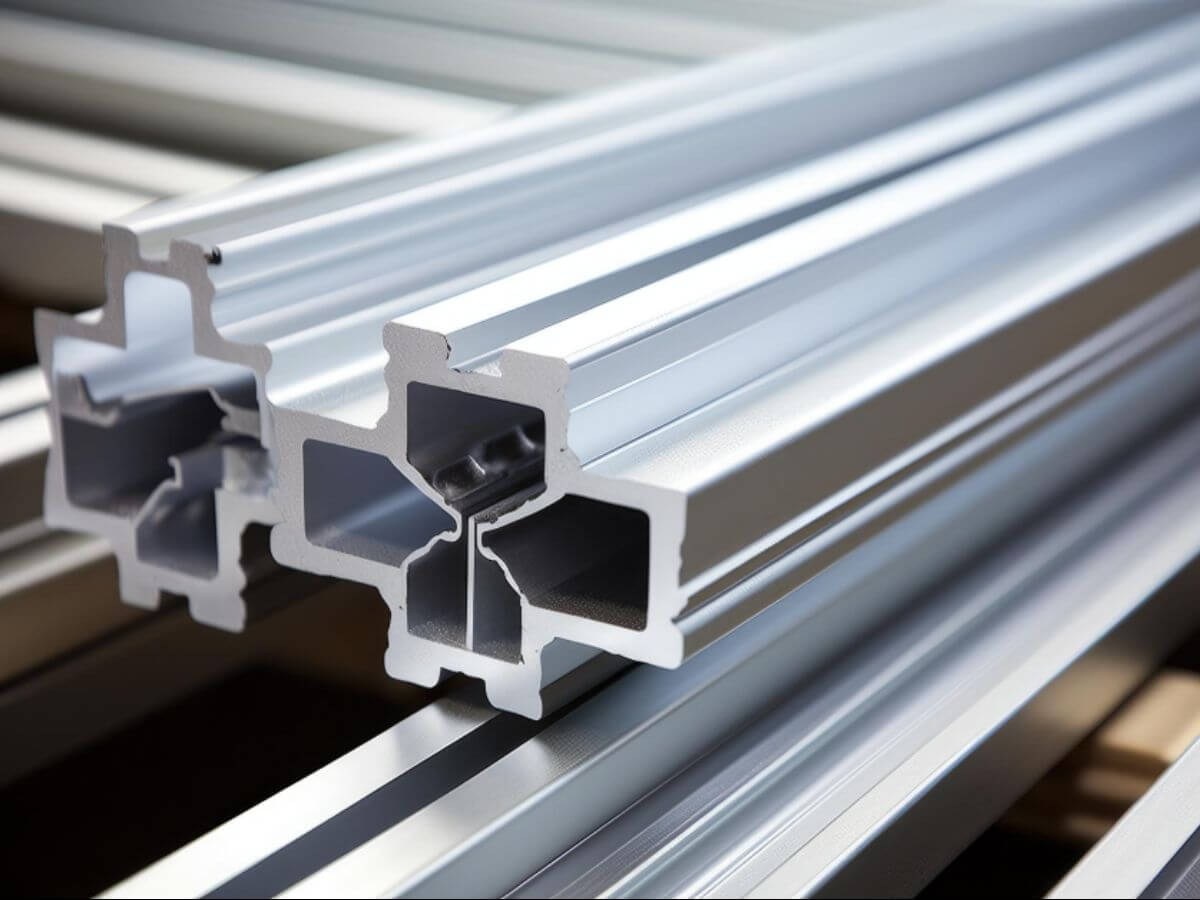
The extrusion process enables aluminum to be formed into precise cross-sectional shapes, allowing greater control over system design while ensuring compatibility across components in modular construction.
Varied finishes
Aluminum supports finishes such as anodizing, powder coating, and decorative treatments, enhancing both appearance and resistance to environmental exposure. These finishes help maintain durability in tropical and coastal conditions where surface protection is critical.
Aluminum vs Other Materials in Construction
Compared to traditional materials, aluminum provides better resistance to environmental exposure while maintaining structural efficiency and design flexibility.
| Material | Weight | Durability | Corrosion Resistance | Maintenance | Common Use Cases |
|---|---|---|---|---|---|
| Aluminum | Lightweight | High | Excellent (rust-resistant) | Low | Windows, doors, façades, framing systems |
| Steel | Heavy | Very High | Moderate (requires coating) | Moderate to High | Structural frameworks, beams, heavy construction |
| Wood | Light to Moderate | Moderate | Low (prone to rot, pests) | High | Interior framing, finishes, and residential structures |
| PVC | Very Lightweight | Moderate | High (non-corrosive) | Low | Windows, pipes, lightweight applications |
Common Components Made from Aluminum Extrusions
When aluminum extrusions are used in construction, they rarely function alone. Instead, they become part of a system where each component contributes to overall performance, from structural stability to usability and finishing quality.
Profiles — Form the primary structural framework of windows, doors, and curtain wall systems. They define load distribution, maintain alignment, and support long-term performance under varying environmental conditions.
Fasteners — Typically made from stainless steel or compatible materials, these components secure the system and ensure proper load transfer between parts, maintaining structural stability during installation and use.
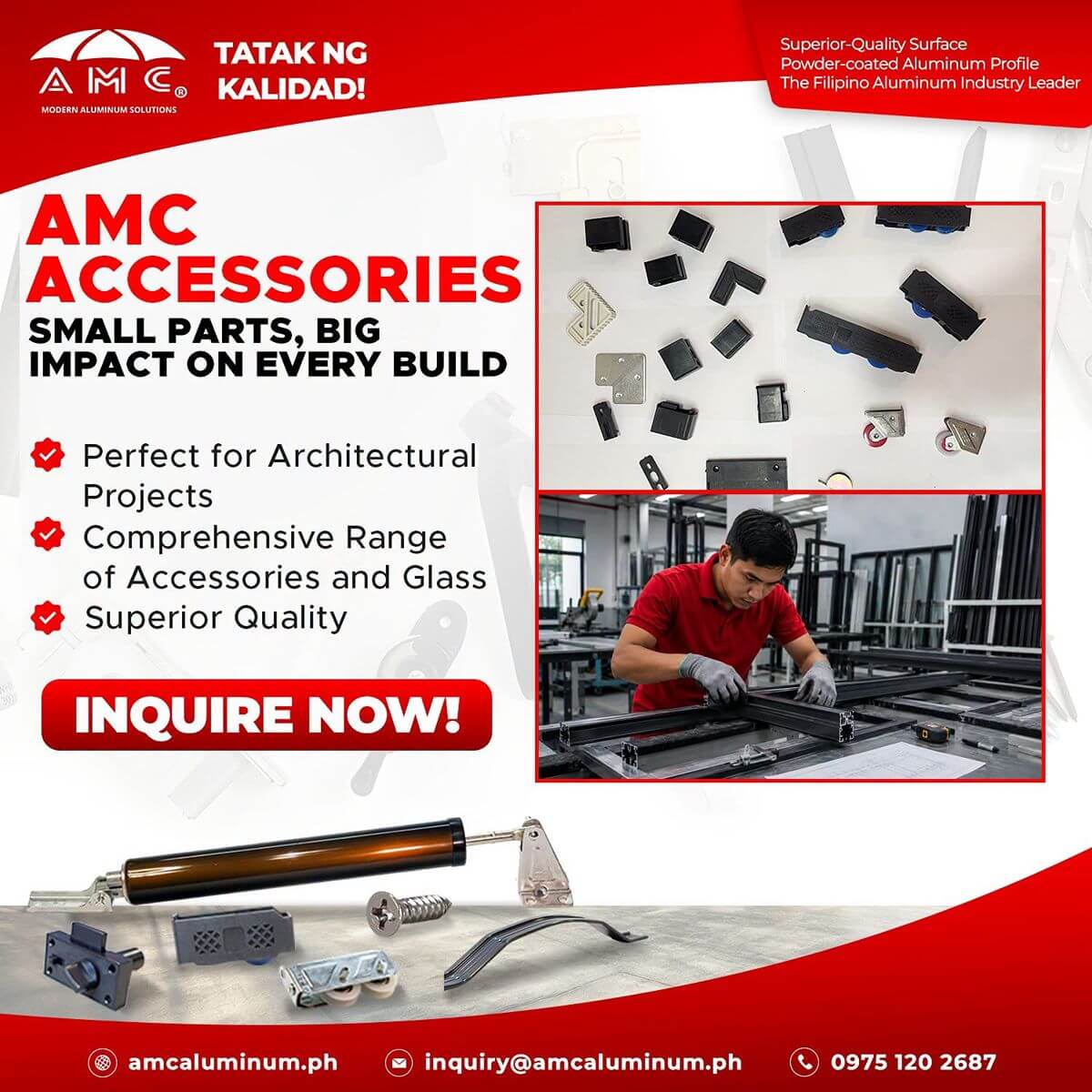
Accessories — Include supporting elements such as tracks, caps, and finishing components. They complete the system by ensuring smooth operation, proper alignment, and seamless integration of all assembled parts.
Explore Aluminum Extrusion Solutions at AMC Aluminum
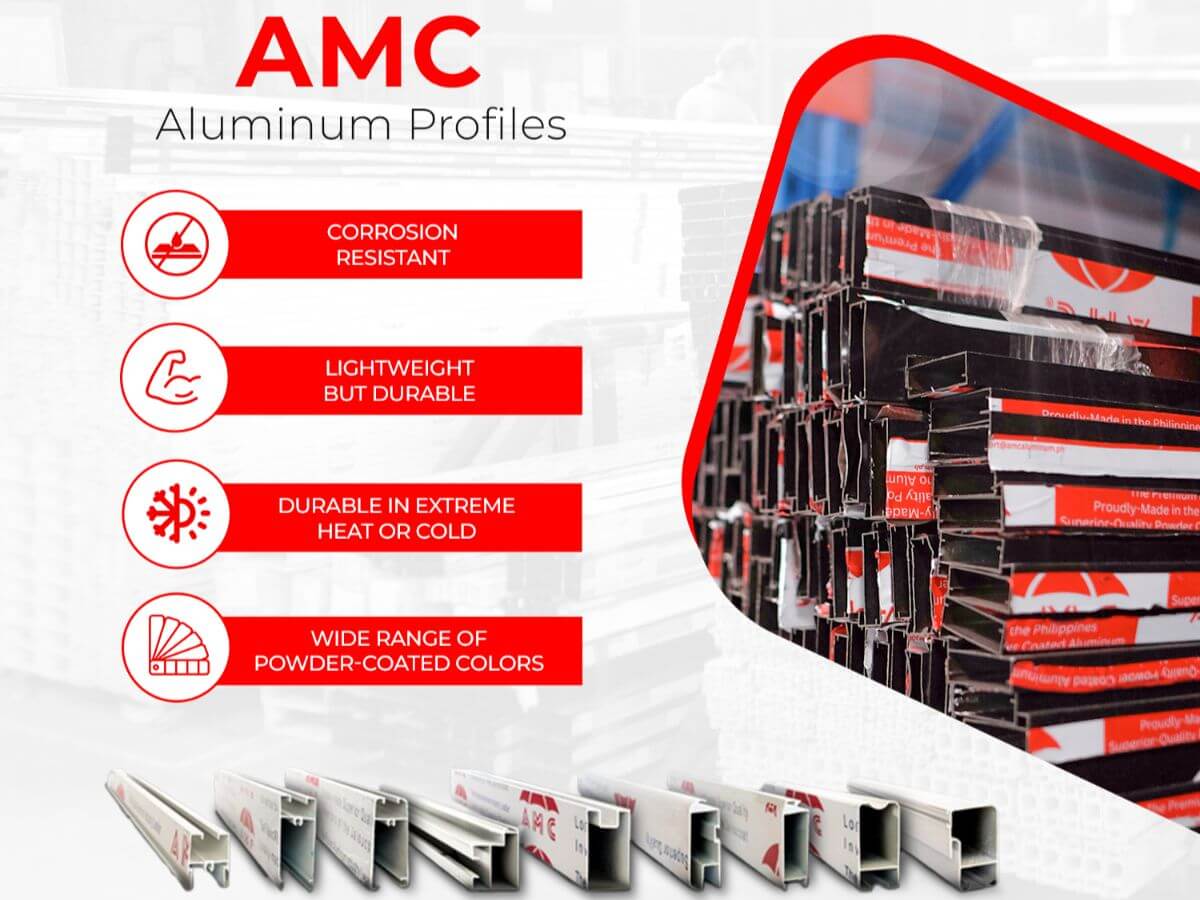
At AMC Aluminum, we provide a full range of aluminum extrusion systems for construction, including standard and custom profiles for windows, doors, and architectural framing. These are designed for dimensional accuracy and structural consistency across residential, commercial, and industrial projects.
Our product range covers profiles for sliding windows, casement windows, awning systems, sliding doors, and fixed framing. We also offer architectural systems for façade and enclosure applications to meet different design and construction requirements.
Finishing options include anodizing, powder coating, and wood grain finishes, allowing flexibility in both performance and aesthetic requirements based on project conditions.
Key Takeaway
This guide to aluminum extrusions for construction projects highlights how material properties, system components, and environmental conditions influence overall performance. Evaluating these factors helps ensure better alignment between design, functionality, and long-term durability.
With AMC Aluminum, you gain access to precision-engineered profiles and finishing options designed to meet your exact specifications. Get in touch today to discuss your requirements and secure reliable solutions for your next project.

.jpg)
.jpg)
.jpg)