What types of welding are used for aluminum?
- GTAW/TIG
- GMAW/MIG
- Laser Beam Welding
- Electron Beam Welding
- Resistance Welding
Aluminum is a tricky material to work with. Even the most experienced welders can experience difficulties working with it. Processing aluminum requires different techniques than other metals. Knowing the differences will help choose the suitable method for your material, leading to successful welds on various projects. While welding this metal can be difficult, it’s something that can be developed into a skill with knowledge and practice. Read on to learn all about the different types of welding for aluminum.
Why is Welding Aluminum Material Difficult?
There are several challenges that you can encounter while welding aluminum due to the metal’s composition. Aluminum is a pliable and sensitive material, and while in its molten state, it is highly susceptible to absorbing impurities. These qualities can lead to porous and weak welds.
Aluminum also has a lower melting point and higher thermal conductivity compared to other, harder metals. This creates a small window of workability during welding, and can also lead to burn-through if the weld metal is overworked through the resistant aluminum base metal.
Despite the challenges that come with working this material, it’s not impossible to have a good weld using aluminum. Here are a few welding techniques commonly used for aluminum, that can work well with processing the metal’s unique properties.
GTAW/TIG
GTAW, which stands for gas tungsten arc welding, is one of the most popularly used welding types for aluminum materials. This process is also known as tungsten inert gas (TIG) welding. GTAW is often used by welders for professional racing teams as well as automotive hobbyists.
GTAW produces the weld using a tungsten electrode. During welding, inert gases are used to protect the welded area from contamination. When working with aluminum, this process uses argon as a shielding gas. It also uses equipment with constant current and AC capabilities. This AC is needed to clean the oxidized layer off the aluminum as the welding process goes.
GTAW with aluminum does not use mechanical wire feeding, as there is the possibility of creating feed issues with this method. Instead, the welder feeds the filler material into the aluminum weld bed. This also helps prevent any contamination from happening during the welding process.
GMAW/MIG
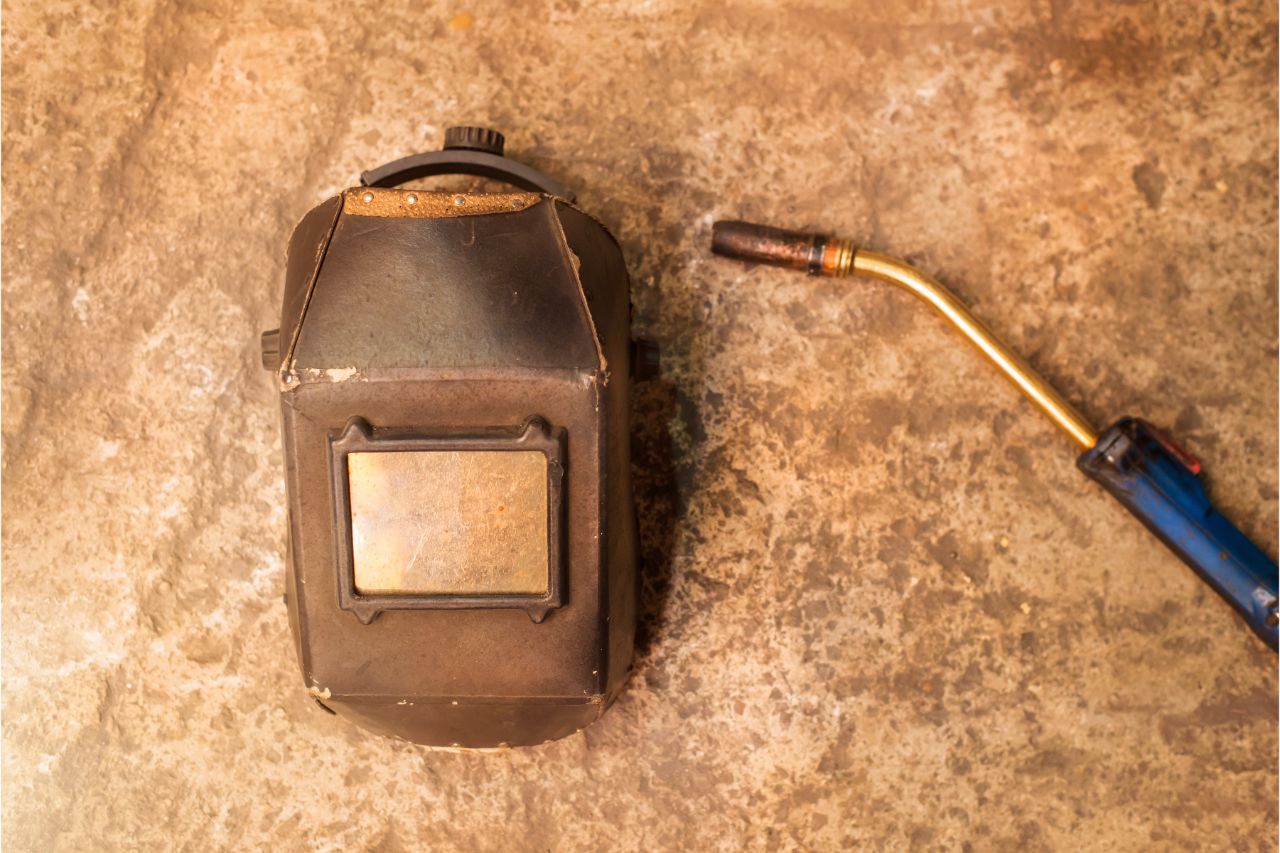
GMAW stands for gas metal arc welding. It is also known as metal inert gas (MIG) welding and is another popular method for aluminum welding. This method has higher deposition rates and faster travel speeds when compared to GTAW welding. GMAW also utilizes consumable electrodes, which melt down and deposit on weld beads.
Since the GMAW electrode is consumable, the process requires the machine to be continuously fed at a constant rate through a mechanized wire feeder. Shielding gases are also used here to protect the weld from contamination. This system allows the filler metal to be deposited on the weld bed at a quicker rate than in the GTAW method.
To prevent the risk of the aluminum becoming porous due to the quicker filler feed, the filler rod and material need to be cleaned of dirt and moisture. There is also the need for extensive shield gas coverage, and pure argon is favored for this.
Laser Beam Welding
Beam welding processes are also used to process aluminum welding projects. The power density in beam welding processes is high, so the possibility of a cold start defect is lessened. The power density allows the weld beads to integrate properly onto the base aluminum metal.
However, with laser welding, the reflectivity of aluminum becomes a concern. Workers must weld using high-grade protective eye gear to avoid injury. Additionally, shielding gases can also be used during this process to prevent the porosity of the aluminum base material.
Electron Beam Welding
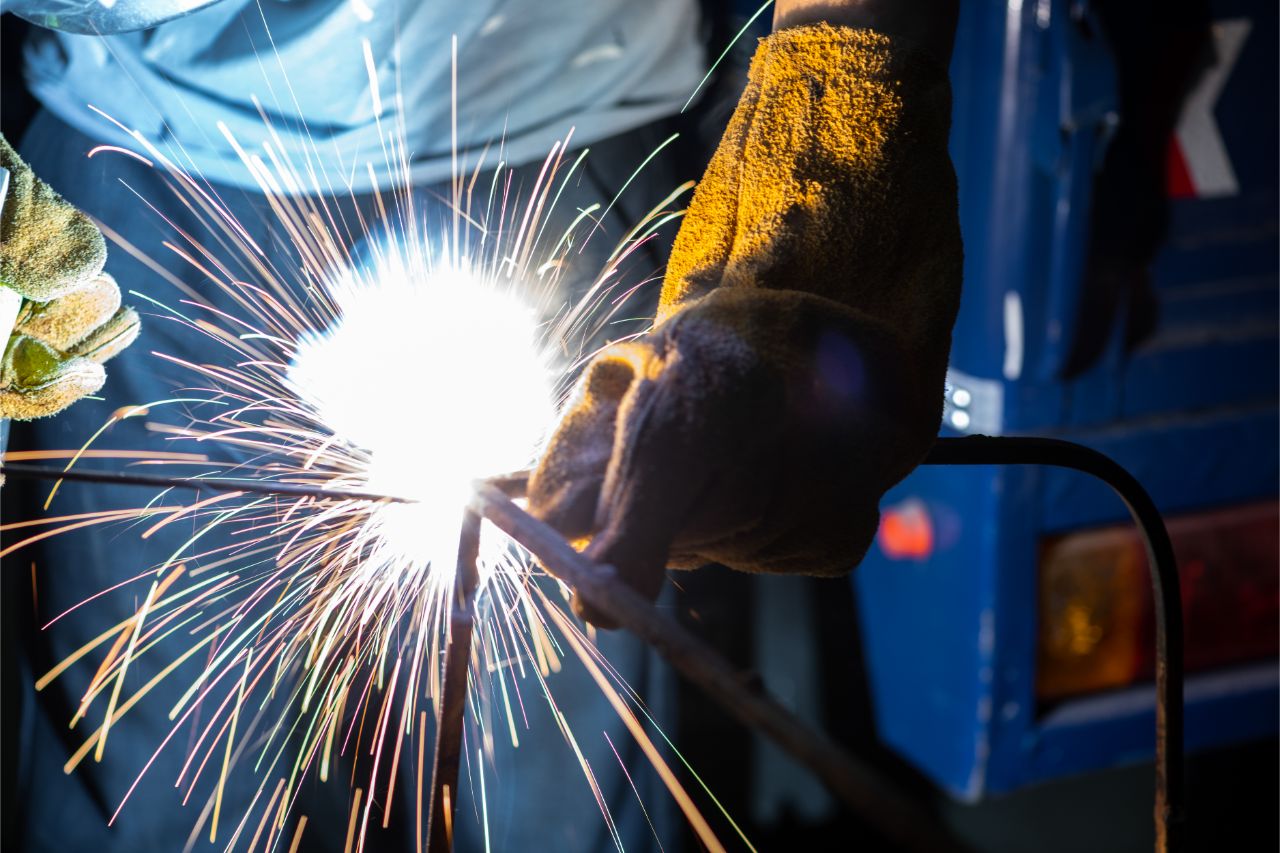
Electron beam welding is a process where electrons are generated by an electron gun, then accelerated to high speeds using an electrical field. The electrons are then tightly focused by a magnetic field, then directed to the materials to be welded. As the electrons meet a surface, it creates kinetic heat that bonds the metal pieces together.
Electron beam welding is used for aluminum welding and is generally more manageable than laser beam welding. This is because the process occurs in a vacuum, removing the possibility of porosity. Additionally, this method is automated and computer-controlled, lessening human errors during welding.
Resistance Welding
Resistance welding works by joining metals through pressure and a passing current. This current is sustained for a length of time through the metal areas to be joined, to allow the metals to create a bond. The advantage of using this method is that no other materials (such as fillers) are needed to create the weld. As such, resistance welding tends to be more cost-effective than other methods.
However, when working with aluminum, the welder should be mindful of the high thermal and electrical conductivity of this metal. Additionally, short weld times are recommended to generate heat quickly and prevent excess melting. Due to its properties, using pure aluminum materials with this technique is not recommended.
Key Takeaway
Working with aluminum requires a thorough knowledge of its unique properties. When you’re aware of its properties, you become aware of potential fabrication problems. Additionally, knowing the process of different welding methods can give a clearer idea of how these fabrication problems may crop up. Proper knowledge of these aspects makes choosing between the different types of welding for aluminum easier.

.jpg)
.jpg)
.jpg)