What manufacturing operations are included in the total extrusion cost?
- Direct material costs
- Extrusion processing operations
- Post-processing operations
- Manufacturing overhead
- Packaging and logistics
Overview
- Total extrusion cost extends beyond the press, covering raw materials, scrap allowance, processing, post-treatment, overhead, and logistics.
- Each stage—from billet sourcing to packaging—affects pricing, quality, and margins.
- Understanding this complete manufacturing chain enables fabricators to control costs, improve forecasting, compare suppliers accurately, and protect long-term profitability.
Manufacturing operations included in the total extrusion cost extend far beyond the extrusion press itself, encompassing every stage from raw material preparation to final inspection and packaging. For fabricators, understanding this full operational chain is critical. Total extrusion cost is not a single line item—it is the cumulative result of interconnected processes.
Aluminum extrusion costs begin long before production starts. Raw materials, extrusion, and post-processing all shape the total financial structure of operations. Understanding this end-to-end process clarifies cost drivers, identifies optimization opportunities, and enables smarter supplier comparisons.
This article outlines the full manufacturing scope to help you protect margins and make informed business decisions.
Direct Material Costs

Material expenses form the foundation of total extrusion cost. Because aluminum pricing fluctuates based on global markets, these costs often represent the largest portion of the overall budget.
Understanding how material inputs connect to production efficiency is the first step toward accurate cost control.
Aluminum Billet
The billet serves as the starting point of every extrusion process. Its quality, alloy grade, and sourcing conditions directly influence both performance and price. Higher-grade billets may cost more upfront, yet they reduce defects, improve consistency, and minimize downstream rework.
Since billet pricing is tied to global commodity markets and currency exchange rates, fabricators must monitor fluctuations closely.
Scrap Allowance
No extrusion process is entirely free from material loss. Scrap allowance accounts for trim loss, startup waste, and off-spec material.
Scrap rates vary depending on profile complexity and production efficiency. Considering this, they must be factored into realistic cost calculations.
Extrusion Processing Operations
Once materials are prepared, manufacturing operations included in the total extrusion cost begin to accumulate. These operational elements shape both the quality of the finished profile and the financial outcome of the production run.
Hydraulic Press
The extrusion press is the heart of the production process where a large-scale machine applies the force necessary to shape heated billets into precise profiles. It consumes a substantial amount of power, which results in higher electricity costs, making it an operational variable.
Behind this, factors like press size, capacity, and cycle time all influence productivity and energy consumption. In the end, it still varies depending on the ‘what’ kind of product and ‘how many’ of those are being manufactured.
Die Costs
Custom profiles require precision-engineered dies, which add upfront tooling expenses. These costs are a direct investment in the project’s long-term viability, as a high-quality die ensures dimensional consistency across extruded materials.
By prioritizing superior die fabrication, fabricators can mitigate the risk of surface defects and costly production re-runs.
Heat and Cooling Treatments
Temperature control is critical throughout extrusion. Heating billets to precise levels ensures proper metal flow, while controlled cooling strengthens the finished profile. These treatments consume energy and require careful monitoring.
This intricate series of processes consumes energy, manpower, and other materials, all of which are all included in the total operation cost.
Post-Processing Operations
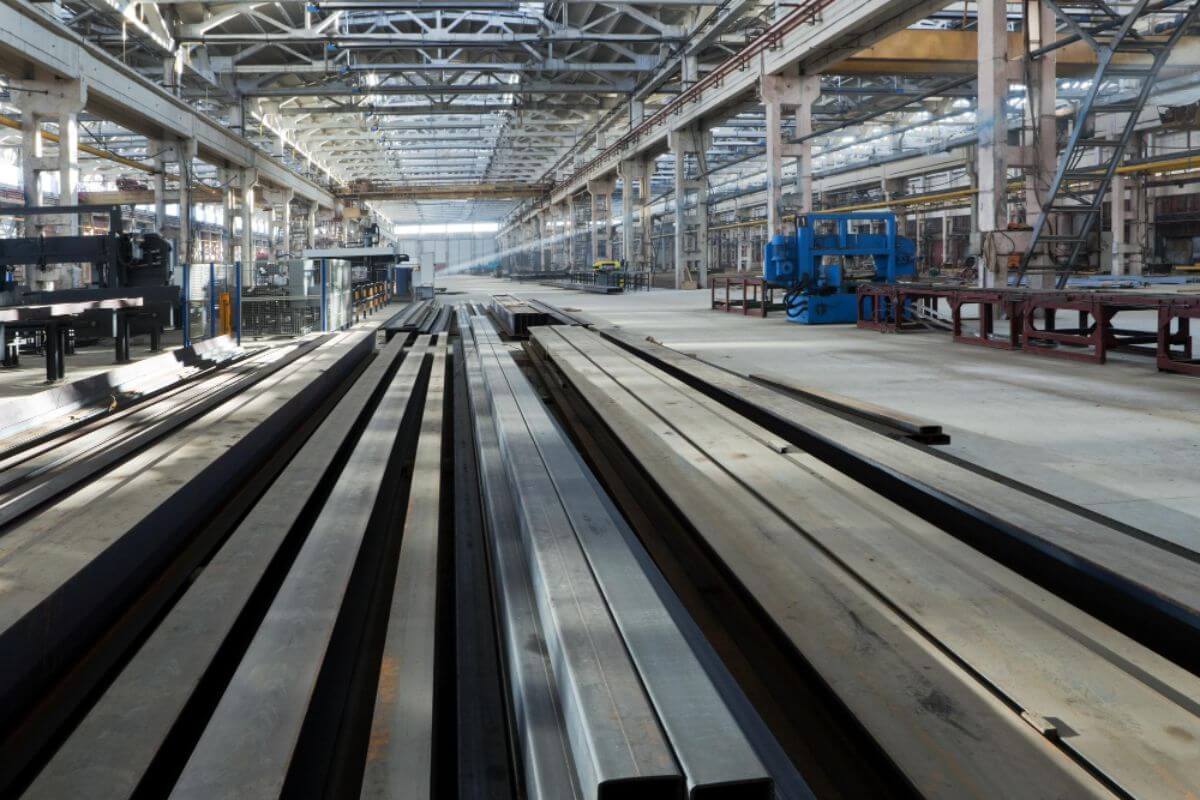
Extruded profiles often require additional treatments before they are ready for installation or distribution. These secondary steps enhance functionality and durability but also add measurable cost components.
Surface Treatment
Adding finishes such as anodizing or powder coating means additional expenses. The estimated cost for power anodizing coating is between P600 to P1,200 per sqm, while the latter ranges between P350 to P550 per sqm.
Although surface treatments increase upfront costs, they protect the final product against corrosion or environmental exposure, significantly reducing maintenance expenses and extending product lifespan.
Fabrication/Machining
Cutting, drilling, and precision fabrication prepare extrusions for final assembly. This requires specialized machinery and skilled labor, both of which are central components of the manufacturing cost structure.
Integrating fabrication into the manufacturing workflow streamlines operations and provides more predictable overall costing.
Manufacturing Overhead
Beyond direct materials and processing, overhead expenses support the entire production ecosystem.
Labor and Testing
It goes without saying that one of the key manufacturing operations included in the total extrusion cost is the manpower required to operate machines and process the products. Manufacturing personnel—including skilled operators, quality inspectors, and engineers—contribute to overall overhead costs. Their role ensures that each extrusion meets strict performance standards and remains reliable over the long term.
Maintenance
An extrusion line is a massive mechanical system prone to intense thermal and physical wear.
Preventive maintenance of the hydraulic systems, die ovens, and cooling tables is a recurring overhead cost that must be factored into the final unit price.
Packaging And Logistics
The final stage of extrusion operations connects the factory to the customer site. This phase is included in the total cost because any damage incurred during transit effectively negates the value of the previous manufacturing steps.
Packaging
Protective packaging prevents damage during handling and transport. Proper bundling and labeling reduce the risk of returns or replacements, which can otherwise inflate project costs.
Transport
Freight charges, handling, and delivery logistics complete the total cost structure. Because aluminum profiles are bulky and heavy, transportation planning plays a significant role in the final landed cost.
Key Takeaway
Total extrusion cost is the cumulative result of every stage in the manufacturing process. Understanding this full operational chain allows fabricators to identify cost drivers, improve forecasting accuracy, and make smarter supplier comparisons.
Here at AMC Aluminum, we take a comprehensive approach to extrusion manufacturing—ensuring material quality and efficient end-to-end operations to deliver consistent results. Contact us today to learn how our integrated extrusion solutions can support your next project with cost clarity and performance reliability.

.jpg)
.jpg)
.jpg)