What is the importance of using aluminum in food manufacturing?
- Aluminum Can Be Formed Easily
- Aluminum Is A Food-Grade Metal
- Aluminum Prevents The Cultivation of Bacteria
- Aluminum Secures The Distribution of Food Products
Aluminum is considered one of the top metal choices across various industries. This is due to its remarkable resistance to corrosion, lightweight, high tensile strength, eco-friendliness, and affordability. Aside from these, aluminum is also non-toxic. This is why the importance of using aluminum in food manufacturing cannot be overlooked.
You may not notice it, but aluminum is a material that increases the quality of people’s lives. For instance, the food manufacturing sector heavily relies on aluminum materials to achieve day-to-day operations — from production to delivery and storage. Aluminum offers superior key features like non-toxicity, high-temperature resistance, lightweight, durability, corrosion resistance, and affordability. If you want to understand the role of aluminum in creating food-safe products, continue reading on!
Aluminum Can Be Formed Easily
Most kitchen items used in food manufacturing, such as cooking pots, trays, spoons, mixing bowls, knives, pans, whisks, tongs, funnels, strainers, and scoopers, are made from aluminum. What makes aluminum ideal for producing kitchen items is that it is highly malleable. Like other common metals, aluminum can be bent or cast into a range of shapes without losing toughness, giving it a wide array of applications.
While it’s true that kitchen items can be made with other materials, such as stainless steel, sometimes you cannot just use any of these items that are offered in brick and mortar shops. Ready-metal kitchen items typically do not fit the food manufacturing standards. For example, if you are producing large volumes of cheese, you cannot use small blenders sold in the market. Instead, you’ll need large custom blenders.
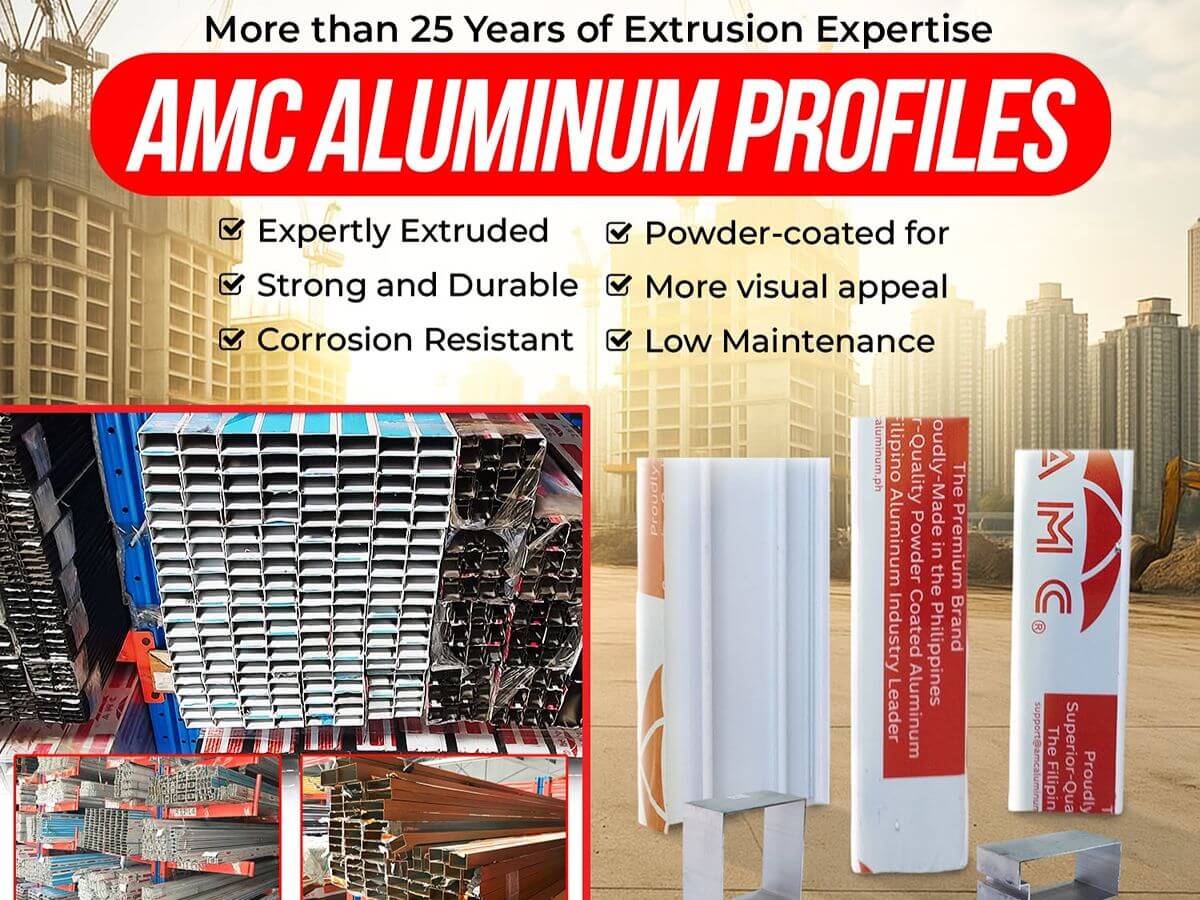
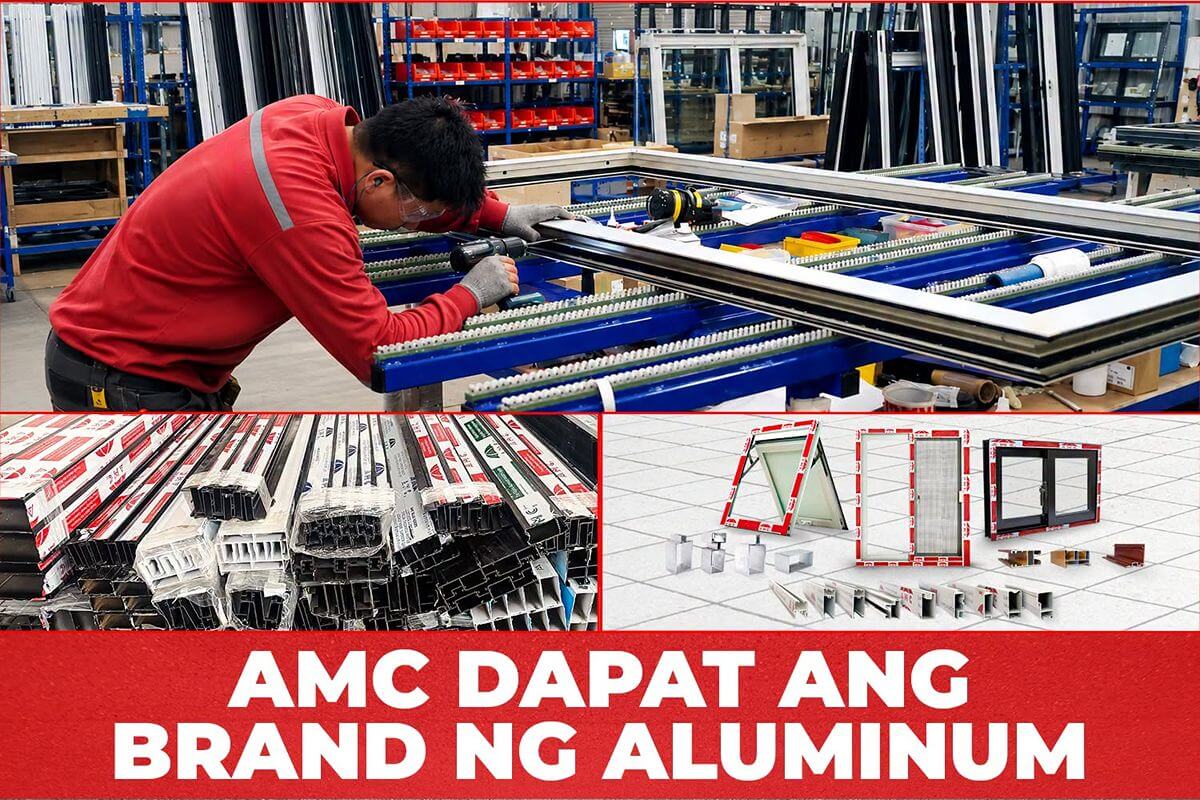
Aluminum sheets can easily be fabricated to accommodate any custom kitchen part specification. If you need any aluminum accessories, contact AMC Aluminum! As an aluminum supplier in the Philippines, we can fabricate aluminum supplies that can fit your preferences.
Aluminum Is A Food-Grade Metal

All industries follow specific manufacturing requirements. This holds for the food manufacturing industry. The Food and Drug Administration (FDA) enforces health and safety regulations regarding food manufacturing. They draw up restrictions on which materials can be used and how for food manufacturing. The good news is that aluminum is approved not only for making food but also for packing food safely.
In today’s life, aluminum plays a significant role in how we receive food every day. This is because aluminum is a food-grade metal. Food-grade metals refer to safe and suitable metals for their intended food use. These metals will not change food composition nor transfer any harmful or toxic substances into food. Such materials also need to be lead-free, corrosion-resistant, and washable.
Aluminum kitchen items are durable and food-grade. These can withstand extreme heat and cold, scratching, cracking, denting and do not influence the smell, taste, color, and safety of food when used. Aluminum, as a material, is tasteless and odorless. It also does not absorb liquids. This is why aluminum kitchen items are ideal for preparing, storing, and packaging food.
Aluminum Prevents The Cultivation of Bacteria
When manufacturing food, workers must ensure that their facilities follow health and safety regulations. Part of these regulations includes maintaining sanitary and clean facilities. Any food item should prevent the cultivation of bacteria, which could threaten consumers’ health.
Aluminum is sterile and has an antibacterial layer that possesses immense antimicrobial properties. The antibacterial rate of aluminum can reach about 99.9% for both S. aureus and E.coli.
Aluminum kitchen items can also be easily cleaned. A simple swipe is enough to lower the risk of bacterial cultivation.
Aluminum Secures The Distribution of Food Products

After food is processed, it needs to be transported to distribution outlets like malls and stores for a specific time. This essential procedure in food manufacturing needs extra caution because most food items are perishable. Each food item should be delivered to maintain quality. Unfortunately, various unforeseen factors can occur when delivering food. These can range from extreme weather conditions to traffic delays.
Aluminum is an essential material in food manufacturing because different aluminum storage items can be fabricated from this. Aluminum is non-toxic, durable, and keeps food fresh for a long time. It can protect food from harsh transportation factors like light, water vapor, ultraviolet radiation, and microorganisms.
Food can be safely distributed to stores and customers using aluminum racks, holders, carts, and conveyor chutes despite factors that threaten food safety, like extreme heat and rust.
Key Takeaway
This article looked deeper into the importance of using aluminum in food manufacturing. Aluminum plays a crucial role in different industries, most notably in the food manufacturing industry. From food preparation, storage to delivery, an aluminum item is used.
At AMC Aluminum, we are the leading aluminum supplier in the Philippines. If you need any aluminum profile or accessory extruded, get in touch with us. Click here to get in touch with our team today!

.jpg)
.jpg)
.jpg)