What is the aluminum extrusion process?
- Die Preparation
- Preheating of Aluminum Billet
- Transferring of Aluminum Billet To Extrusion Press
- The Ram Applies Pressure To The Billet
- The Extruded Material Is Pushed Through The Die
- Quenching
- Shearing
- Cooling
- Stretching
- Cutting
Aluminum is a metal that has endless applications in a wide variety of industries — whether construction, medical, automotive, aerospace, or manufacturing. Have you ever wondered about how the aluminum products you see every day are processed? Most of the fabricated aluminum items people use today undergo the aluminum extrusion process.
The use of aluminum extrusion has significantly increased in the past decades. In this blog, we will discuss what aluminum extrusion is, what steps are involved in the process, and what types of aluminum products can be extruded.
What is Aluminum Extrusion?
Before learning about the steps involved in aluminum extrusion, it’s important to learn what aluminum extrusion is first.
Simply put, aluminum extrusion is the process of shaping aluminum by forcing it to go through a die. The die has a specific profile, which is why the extruded aluminum comes out in the same shape as the die.
At a fundamental level, the aluminum extrusion process is simple to understand. The force applied from the extrusion die can be compared to squeezing a tube of toothpaste or inserting play-doh through a shaper. As you squeeze or insert, the toothpaste or play-doh emerges in the shape of the opening. With aluminum, the extruded material that comes out will be the same profile as the die opening.
With the help of a reputable aluminum profiles supplier in the Philippines, any shape is possible through the aluminum extrusion process.
Die Preparation
Before the extrusion process begins, a die tool is first set up. These are typically steel discs that have a specific cross-section.
Through the shape of the die, it becomes possible to extrude a wide range of aluminum profiles. These can include the following:
- Solid – contains no enclosed voids such as rods, angles, or beams
- Hollow – contains one or more voids such as a tubes or squares
- Semi-hollow – contains a partially enclosed void such as a C-channel with a narrow gap
Preheating of Aluminum Billet
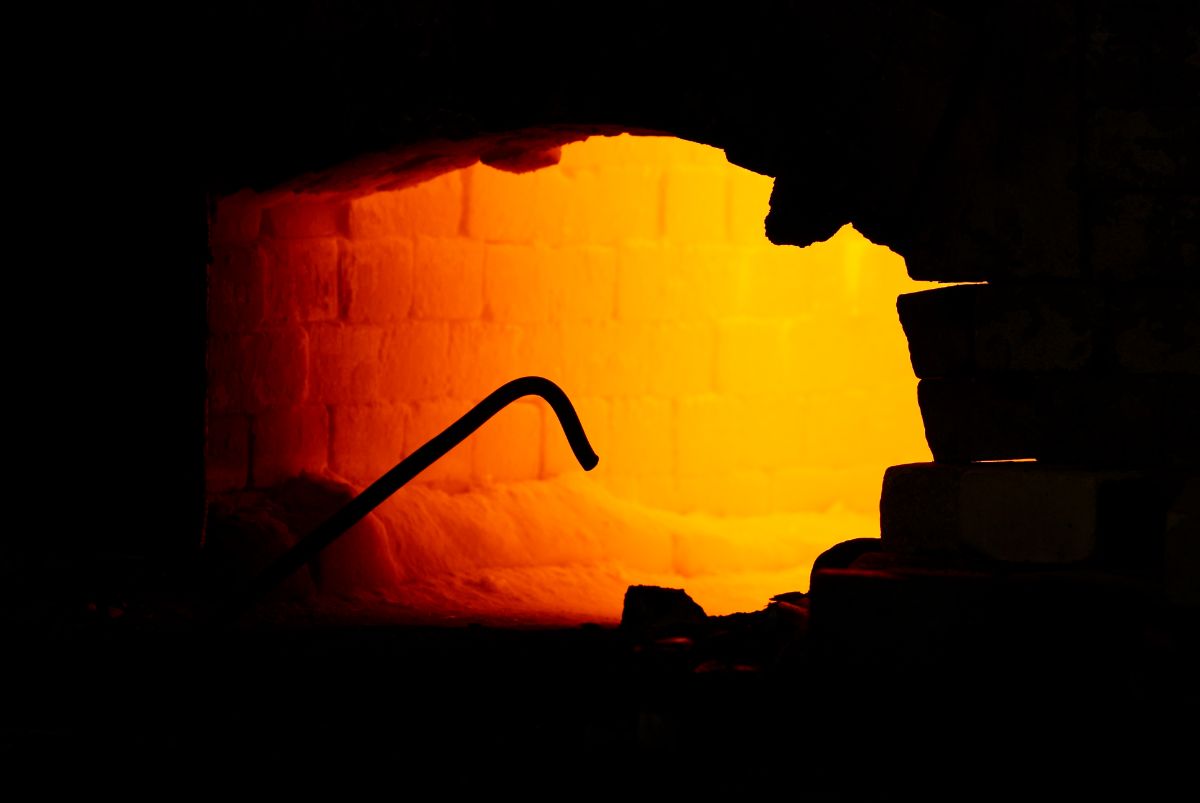
Then, the aluminum billet or the solid log-shaped block of aluminum is preheated in an oven of between 400 to 500 degrees Celsius. By preheating the billet, it becomes more malleable and it becomes easier to ensure even metal flow.
Transferring of Aluminum Billet To Extrusion Press
Once the aluminum billet has been preheated, it is loaded into the extrusion press.
The Ram Applies Pressure To The Billet
After being loaded, the hydraulic ram applies extreme pressure on the billet (about 15,000 tons of pressure). This causes the aluminum billet to be pushed to the extrusion press container. A release agent or lubricant is applied to the hydraulic ram also to prevent the aluminum billet from sticking.
The Extruded Material Is Pushed Through The Die
As the aluminum billet fills the container, it is pushed up against the extrusion die. What emerges from the die’s opening is a formed aluminum profile.
Quenching
Quenching refers to a type of treatment wherein the extruded metal — in this case, aluminum — is heated beyond its recrystallization point before being cooled by a water bath or by fans as it travels along with the runout table. The purpose of this treatment is to enhance the strength of the extruded aluminum and give it a uniform shape.
Shearing
Once the extruded aluminum reaches the end of the table, it is sheared to separate it from the extrusion process.
Cooling
After shearing, the extruded aluminum is mechanically transferred to a table for cooling. The aluminum will remain cooled until the room temperature is reached.
Stretching
Natural twisting will typically occur among the extruded aluminum profiles that need to be corrected. To correct this, the profiles will need to be mechanically stretched on both ends and pulled until fully brought into the specific shape.
Cutting

After the extruded aluminum is straight and fully hardened, it will be cut into a specific shape. This will ultimately depend on what aluminum products the fabricator needs. Aluminum profiles like window frames will need to be cut into a certain shape, while aluminum tubes may require to be cut longer.
After cutting the extruded aluminum, it can now be prepared for finishing processes like powder coating to achieve improved corrosion resistance and vibrant color.
Key Takeaway
In this article, we’ve rounded up everything you need to know about the aluminum extrusion process. The aluminum extrusion process is a multi-step method used for fabricating various types of aluminum.
AMC Aluminum is a reputable supplier of aluminum profiles in the Philippines that have been shaped by extrusion. Click here to check out our aluminum products and services.

.jpg)
.jpg)
.jpg)