What are the different types of aluminum heat treatment methods?
- Homogenizing
- Annealing
- Quenching
- Natural aging
Aluminum alloys are widely used in different industries. Take for example, construction, where aluminum products come in the form of beams, columns, rafters, studs, and even window frames. For automotive parts, on the other hand, aluminum can be found in the framework, door, hood, or even chassis. But before these aluminum accessories can be specified for use in such applications, they need to undergo aluminum heat treatment methods.
What exactly are aluminum heat treatment methods? Simply put, these methods refer to a broad range of techniques that alter the metallurgical properties of this type of alloy. These properties may vary from yield strength, machinability, hardness, or tensile strength. As the name suggests, heat treatment methods are done by applying heat to an aluminum material, made possible by heat chambers or high-temperature furnaces. Achieving high-quality heat-treated aluminum products is also crucial, which is why the right conditions, equipment, and materials are needed. Read on to learn more.
Homogenizing
Homogenizing or homogenization is done in order to evenly distribute precipitating elements on a casted aluminum part. Precipitates appear in the form of solids that manifest on the surface of a solution. Since casted aluminum is often an alloy that contains bauxite and other trace elements, precipitates occur and create aluminum grains. This not only results in an inconsistency in appearance but also in strength rating, resulting in some portions of the aluminum being softer than the others.
To fix these inconsistencies, homogenizing is done by heating the specimen at a temperature range below its solidus, or melting point. For aluminum this may range from 482 to 537 degrees Celsius, depending on the alloy composition. This heat treatment procedure can be classified into three stages: heating, soaking, and cooling down.
Once heat is applied, the alloy is kept at a stable temperature until the change in the internal metallurgical structure takes place — i.e. increase in strength or hardness. This phase may take for as long as 10 hours, or only 3 hours, with respect to the conditions. After soaking, the casted aluminum will undergo cooling at a gradual rate in order to make its internal structuring consistent.
Annealing

Unlike homogenizing, where the strength and hardness property of the aluminum is increased, annealing focuses on making the alloy softer and more malleable. Without annealing, aluminum parts are more prone to breakage because they aren’t able to withstand the stress and fatigue from bending. As many industries depend on malleable parts for stamped and fabricated aluminum products, annealing is crucial in sustaining the quality and the service lifecycle of the product while in-use.
In order to create permanent deformations on the aluminum, annealing restores the slip planes in the material’s internal structuring. As an aluminum product is continually shaped, the number of slip planes get reduced, making the aluminum harder and much more difficult to deform. This results in a condition known as work hardening, wherein more force is applied just to simply shape the product into the desired form.
Like most heat treatments, annealing starts with heating a cold-forged, casted, or extruded aluminum until a certain temperature. For annealing, this ranges from around 298 up to 410 degrees Celsius at a certain period — usually between 30 minutes, to 3 hours. After heating, the material’s internal stresses get relieved, making them easier to manipulate.
Quenching
When aluminum undergoes quenching, it is typically heated to a temperature way above its recrystallization temperature which is below the alloy’s melting point. Keeping this in mind, the temperature is higher than that involved in homogenizing — the goal of this method is to allow the material to be subject to rapid cooling before it precipitates. This heat treatment process is also accompanied by soaking before the aluminum is submerged into a quenching medium — air, water, oil, and brine, are some examples.
When the quenching medium is set at a higher temperature, it’s possible to achieve a more consistent structuring, combined with ample conditions on quenching speed, rate of cooling, and conduciveness. Successful quenching leads to products that are hardened and once again free from internal stresses that can cause cracks, especially during forming.
Natural Aging
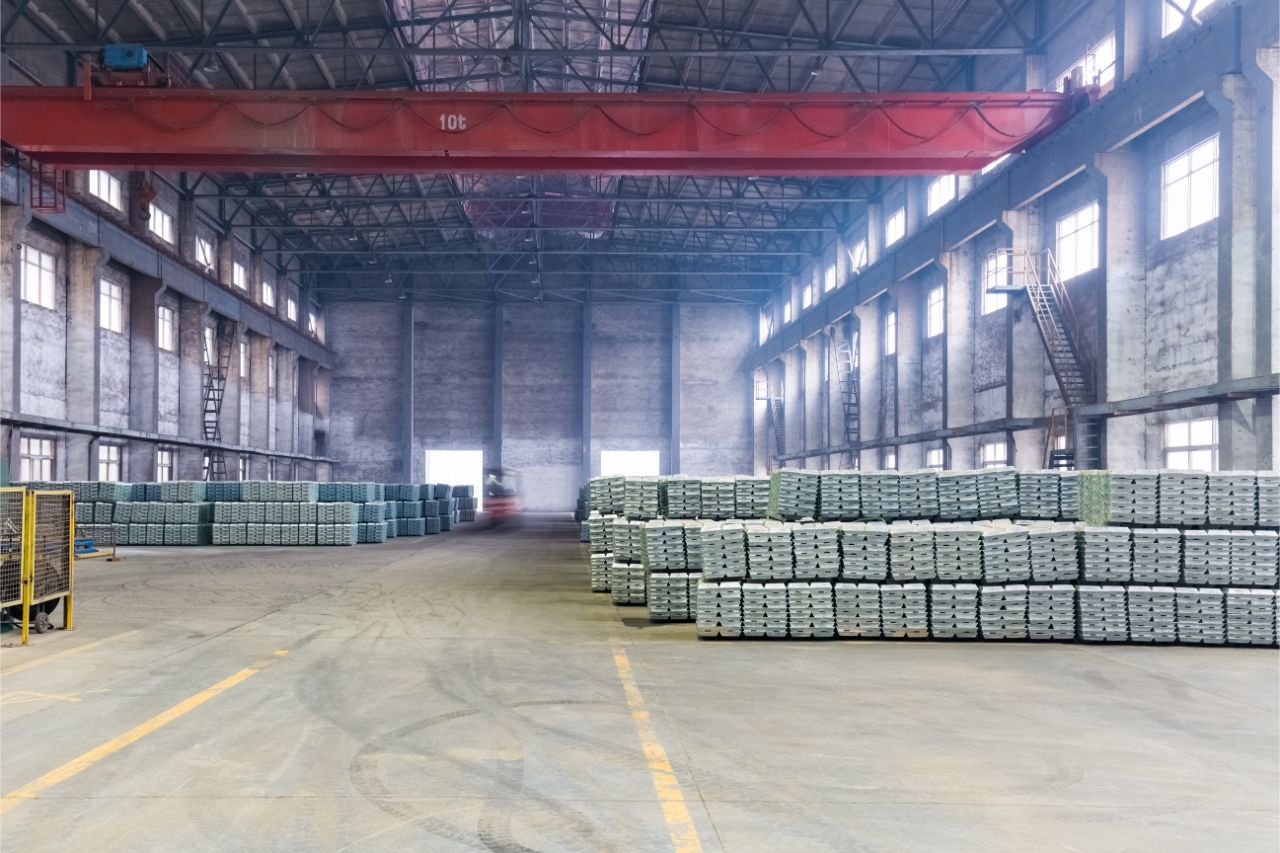
Natural aging takes longer than most of the techniques on this list, but it is a natural way of improving the strength properties of aluminum. In the absence of post-processing or time-consuming secondary techniques, natural aging is done after a heat treatment process, at room temperature. The process normally spans from 4 to 5 days, where most of the hardening phase begins during the first day of aging.
Aside from an increase in strength, room temperature-aged aluminum becomes more stable and magnetically coercive. This makes the aluminum ideal for use in a range of extreme environmental conditions, such as automotives, petrochemical plants, construction, metal fabrication, cutting tools, and many more.
Key Takeaway
Aluminum already has many desirable natural properties. It’s extremely malleable, weldable, and lightweight. Many industries have taken advantage of this material for different purposes, as a cost-effective solution to other parts.
With all of these in mind, aluminum heat treatment methods exist to enhance and highlight these same properties of aluminum. Quenching, homogenizing, and natural aging, for example, are done to create crystalline reactions on the material that improve its strength. On the other hand, annealing is done to make the aluminum more ductile and machinable for processes such as die casting, fabrication, extrusion, or stamping.
Are you looking for durable aluminum accessories? AMC Aluminum’s products have been heat treated to the tee to meet your requirements. Click here to contact us!

.jpg)
.jpg)
.jpg)