Overview
- Understand the key differences between casement windows and awning windows, including their design, opening mechanisms, and ideal applications.
- Explore the shared benefits of both window styles, such as energy efficiency, easy operation, and unobstructed views.
- Discover why AMC Aluminum is a trusted choice for quality aluminum window profiles.
Awning windows and casement windows are two popular options for bringing natural light and fresh air into a home. However, their designs affect how they handle tropical heat, ventilation, and rainwater, which are important considerations in the Philippines.
If you are comparing awning windows vs. casement windows for a renovation or residential development, understanding their differences in weather protection, functionality, and everyday use will help you choose the right system for your project.
Casement Windows vs. Awning Windows
Casement windows and awning windows offer different design options for residential spaces. Casement windows are often chosen for areas that benefit from larger openings and substantial airflow, while awning windows suit spaces that need ventilation with some protection from light rain. The table below compares key features to help you choose the option that best fits your project requirements.
| Feature | Casement Windows | Awning Windows |
|---|---|---|
| Hinge Position | Hinged on either the left or right side of the frame | Hinged along the top of the frame |
| Opening Direction | Swings outward horizontally, similar to a door | Opens outward from the bottom, creating an upward angle |
| Shape and Orientation | Commonly designed with a taller, narrower profile | Commonly designed with a wider, shorter profile |
| Ventilation | Allows substantial airflow through the open window area | Directs airflow into the room while providing some shelter over the opening |
| Rain Protection | Generally needs to remain closed during rainfall to prevent water from entering | Can remain partially open during light rain, as the angled sash helps deflect water away |
| Emergency Egress | May serve as an emergency exit when the opening meets applicable building and safety requirements | Generally less suitable for emergency egress because the opening may restrict passage |
| Best Locations | Living rooms, bedrooms, and narrow wall sections where wider openings are preferred | Bathrooms, kitchens, basements, and high wall sections |
Shared Benefits of Casement and Awning Windows
Although casement and awning windows differ in design, they share several qualities that make both practical choices for homes and building projects. Their differences do not necessarily mean one offers better overall performance than the other. Both window styles are designed to fit securely within the frame and support the functional needs of modern architecture.
Consider these similarities when comparing the two options for your project. Whether you prefer the wider opening of a casement window or the angled design of an awning window, both deliver dependable performance when made with quality materials and properly installed. This lets you focus on which design best suits each room without overlooking the shared advantages of both window types.
High Energy Efficiency
Awning and casement windows optimize indoor comfort through superior thermal sealing and efficient ventilation. When closed, their tight frame seal retains air conditioning and blocks outdoor heat; when opened, they maximize cross-ventilation to exhaust stale warm air and minimize reliance on mechanical cooling.
With the right placement and proper installation, either window style supports different approaches to indoor comfort. For example, a bedroom with regular air-conditioning use benefits from tightly closed windows that help maintain a comfortable temperature without overworking the unit. Meanwhile, a living room designed for natural ventilation benefits from windows that let fresh air move through the space.
Easy Operation
Awning and casement windows use ergonomic crank handles to simplify daily airflow adjustments. Unlike heavy sliding or lifting sashes, this turning mechanism allows effortless operation over hard-to-reach areas like kitchen sinks.
This convenience also helps when windows are behind furniture or in other hard-to-reach areas. In a living room, for instance, a turning handle on a casement window makes it easier to adjust the opening whenever you want more fresh air.
Unobstructed Views
Slim aluminum frames maximize glass area and natural light while minimizing visual obstructions. Ideal for modern interiors, both awning and casement designs complement clean architectural lines and seamlessly connect indoor spaces with surrounding outdoor views.
For example, installing a wide casement window in the living room gives you a clear view of your garden or patio. In the kitchen, an awning window above the counter serves a similar purpose by keeping the area bright and maintaining a view of the outdoors.
Why AMC Is a Trusted Choice for Quality Aluminum Windows
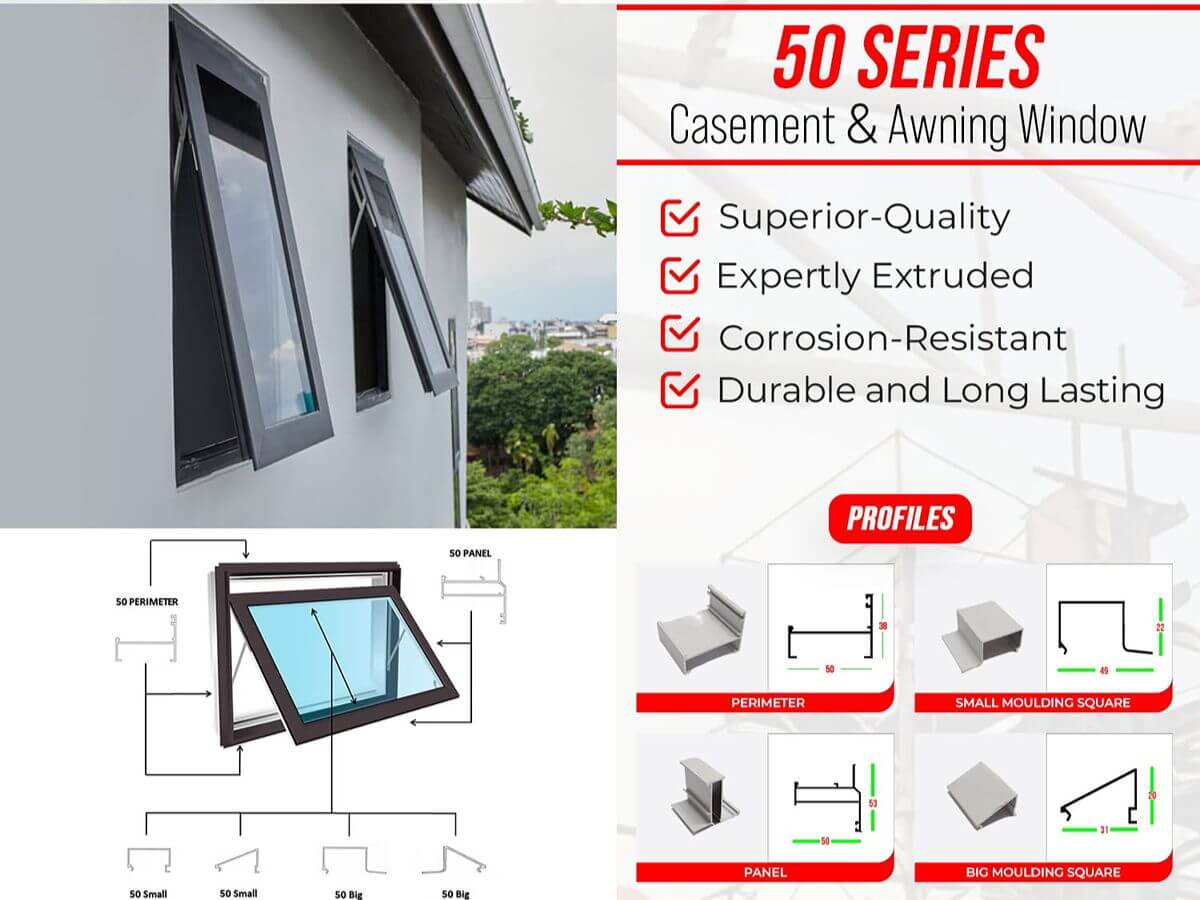
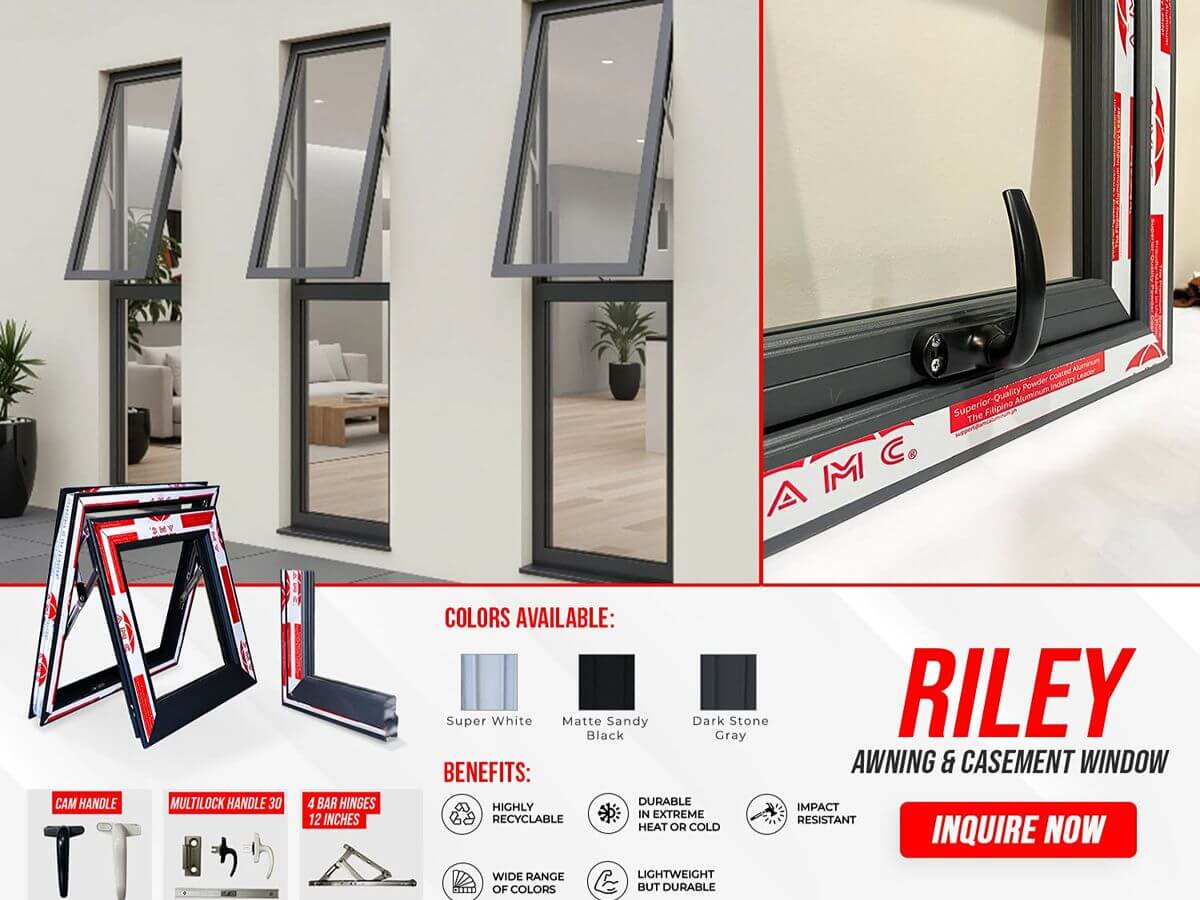
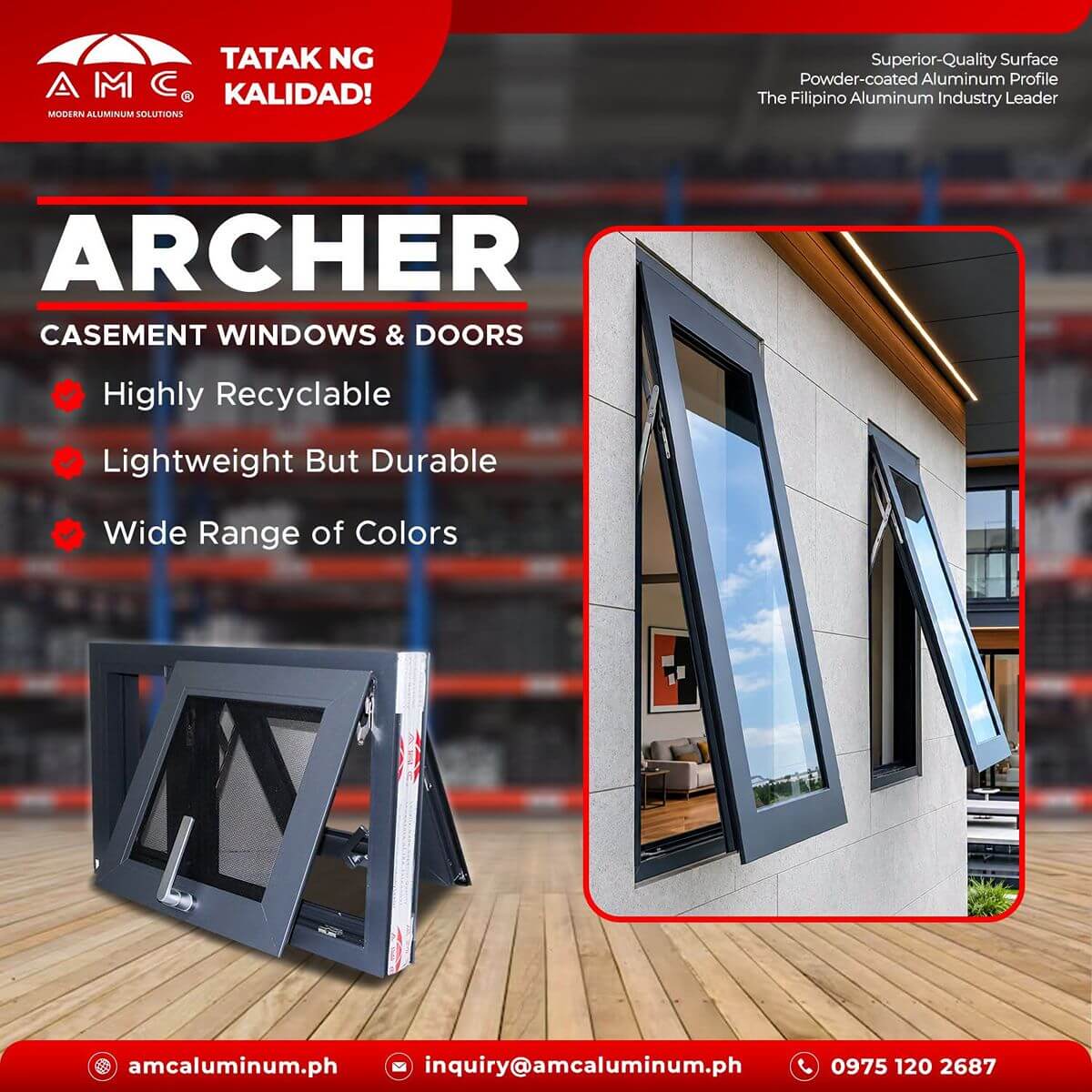
Choosing between casement and awning windows is only part of the decision. The quality of the aluminum profiles also plays an important role in how well your windows perform over time. At AMC Aluminum, we provide reliable, quality aluminum profiles for both window styles, with a variety of series designed to meet different project requirements.
Whether your project requires casement windows for maximum ventilation or awning windows for weather-protected airflow, AMC Aluminum offers versatile profile series tailored to your exact aesthetic and functional specifications.
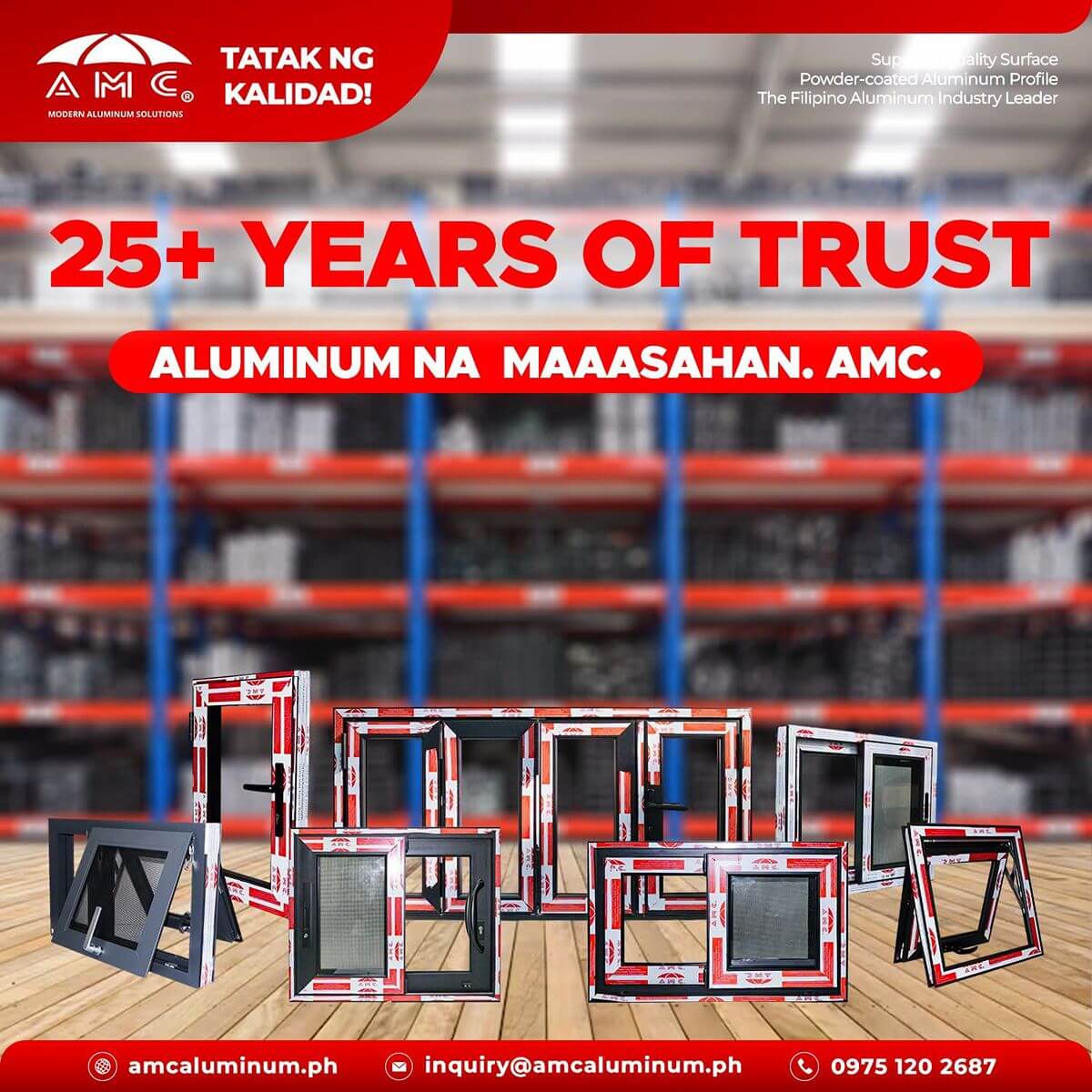
Backed by over 20 years of manufacturing experience, AMC Aluminum delivers precision-engineered window profiles tailored to custom dimensions, designs, and architectural finishes. Our versatile product range and strict quality control ensure durable, high-performance solutions for any project scope.
Key Takeaway
Comparing casement windows vs. awning windows is not simply a matter of appearance. The right choice depends on how each room uses natural light, ventilation, and available space. Consider these practical needs alongside the quality of the aluminum profiles to ensure your windows serve your home well over time.
Contact us now and explore our range of window series to find the right fit for your project.

.jpg)
.jpg)
.jpg)