How do you keep your awning windows in top shape?
- Clean the glass regularly
- Lubricate moving parts
- Inspect and replace weatherstripping
- Clear the tracks and drainage channels
- Check the frame for damage
Overview
- Maintaining your awning windows in top shape ensures smooth operation, energy efficiency, and long-term durability.
- Regularly checking the frame and components for damage helps prevent costly repairs and keeps your windows looking and performing their best for years.
Awning windows are a smart, long-term investment that contributes to your home’s comfort, energy efficiency, and overall appeal. When properly maintained, these windows can remain functional and visually appealing for decades, delivering lasting value and minimizing the need for costly repairs or replacements.
In this article, we’ll cover essential maintenance tips to keep your awning windows in top shape. From routine cleaning to regular inspections, these simple yet effective practices will help preserve their performance, protect their structural integrity, and ensure they continue to enhance your living space year after year.
Clean the Glass Regularly

Dirt and dust can build up on your awning windows over time, making them look dull and affecting your home’s appearance. Regular cleaning helps keep them clear and looking good—and it’s easy to do.
Just use a mild, non-abrasive glass cleaner and a soft cloth or sponge to wipe the glass. Avoid strong chemicals or rough materials that could scratch the surface. If you can reach both sides, clean them both for better light and visibility.
This is a simple task that can easily become part of your household routine—even something children can help with under your supervision. Consistent cleaning not only boosts your home’s curb appeal but also helps preserve the performance and longevity of your awning windows.
Lubricate Moving Parts
The hinges and hardware are subject to regular movement and environmental exposure, which can cause them to stiffen or squeak over time. Proper lubrication is the perfect solution to this, minimizing the friction, reducing wear, and prolonging the lifespan of these components.
Lubricate the moving parts of your awning windows at least once or twice a year—or anytime you notice stiffness, resistance, or unusual noise when opening or closing them. This simple step helps prevent wear and tear, reducing the risk of costly repairs or hardware replacement.
Along with lubrication, inspect hinges, handles, and other moving parts for signs of rust, corrosion, or damage. Addressing these issues early keeps your windows functioning smoothly and ensures they continue to provide secure, reliable ventilation.
Inspect and Replace Weatherstripping
Weatherstripping forms a seal that prevents drafts, moisture, and dust from entering your home, helping maintain a consistent indoor temperature and reducing your heating and cooling costs. Over time, weatherstripping can wear out, crack, or detach, compromising this seal.
To avoid this, it’s recommended to inspect them regularly and replace them with a new one if needed. Look for signs of brittleness, gaps, or damage along the edges of the sash and frame. You can also test the seal by closing the window and feeling for any noticeable air leaks.
Keeping them in good condition also protects against water infiltration, which can lead to frame damage or mold growth. By maintaining this critical component, you not only improve energy efficiency but also extend the lifespan of your awning windows.
Clear the Tracks and Drainage Channels
The tracks and drainage channels of awning windows are designed to direct rainwater safely away from the frame and walls. Over time, these areas can become clogged with dirt, leaves, or debris, which can block water flow and increase the risk of leaks or corrosion.
Regularly clearing out debris from the tracks and drainage channels helps keep them functioning properly and prevents larger issues from developing. This simple task also ensures that rainwater drains efficiently, protecting both your window and the surrounding structure.
Check the Frame for Damage
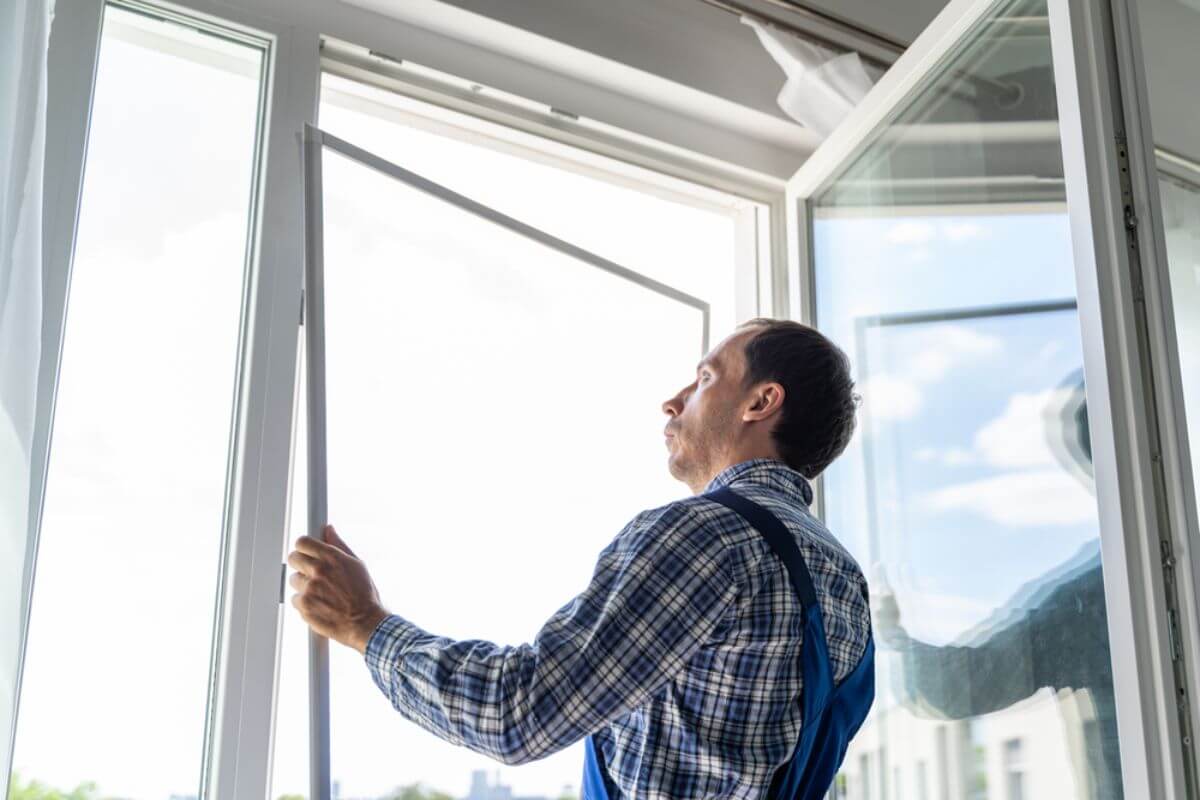
Aluminum frames are known for their strength and resistance to corrosion, but regular inspections are necessary to identify any dents, cracks, or signs of wear that could compromise stability or function.
Here’s how you can easily do this:
- Visually inspect the entire frame for dents, warping, or cracks. Focus on corners and joints where stress is usually concentrated.
- Run your hand along the frame’s surface to feel for uneven areas or sharp edges that might indicate hidden damage.
- Check for signs of corrosion or discoloration, especially around fasteners or areas exposed to moisture. While aluminum is corrosion-resistant, environmental factors can still cause surface issues over time.
- Ensure the frame is still properly aligned with the sash. Misalignment can cause difficulty in opening or closing the window and may require adjustment or professional repair.
Key Takeaway
Awning windows are a practical and stylish choice for any home, but like all fixtures, they need regular care to stay in excellent condition. From cleaning the glass and lubricating moving parts to inspecting weatherstripping and frames, these maintenance tips to keep your awning window in top shape will help preserve its performance, appearance, and energy efficiency over time.
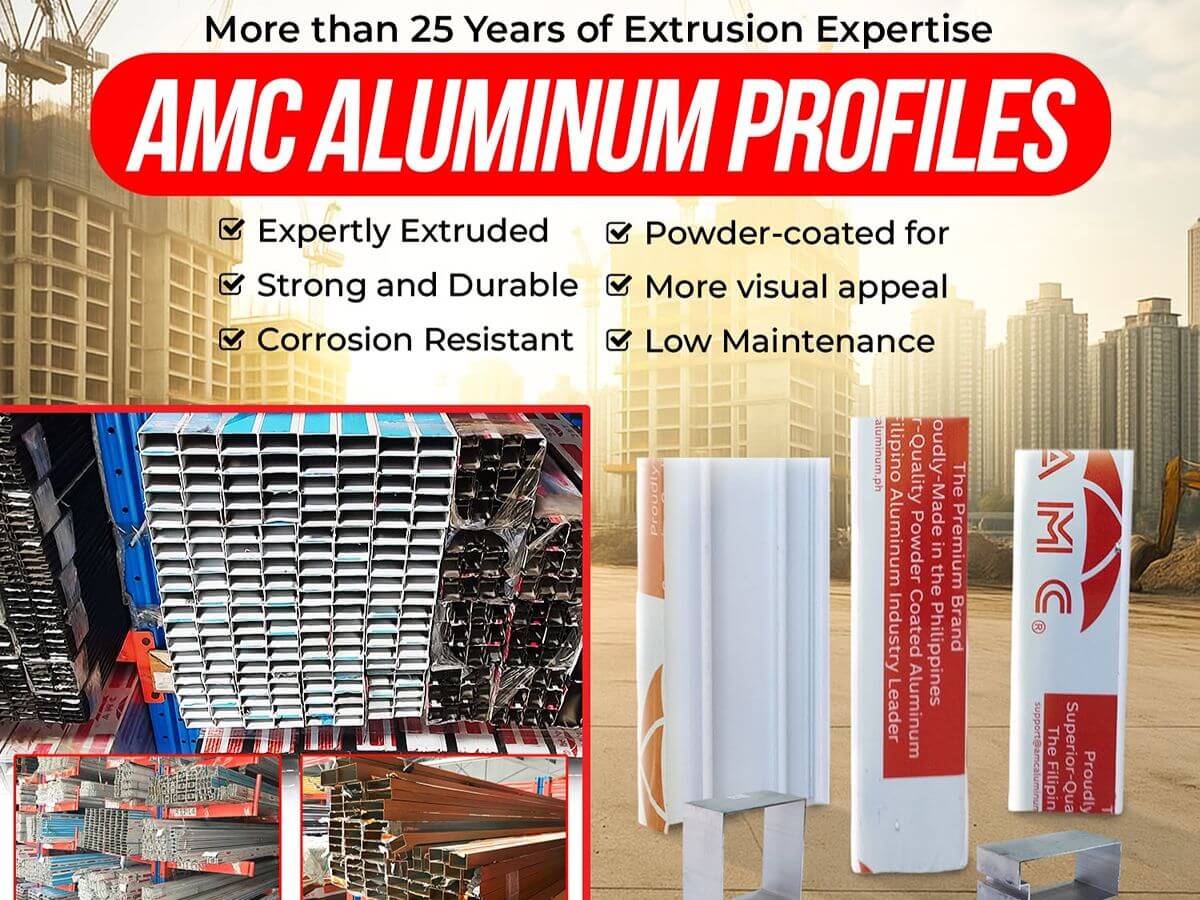
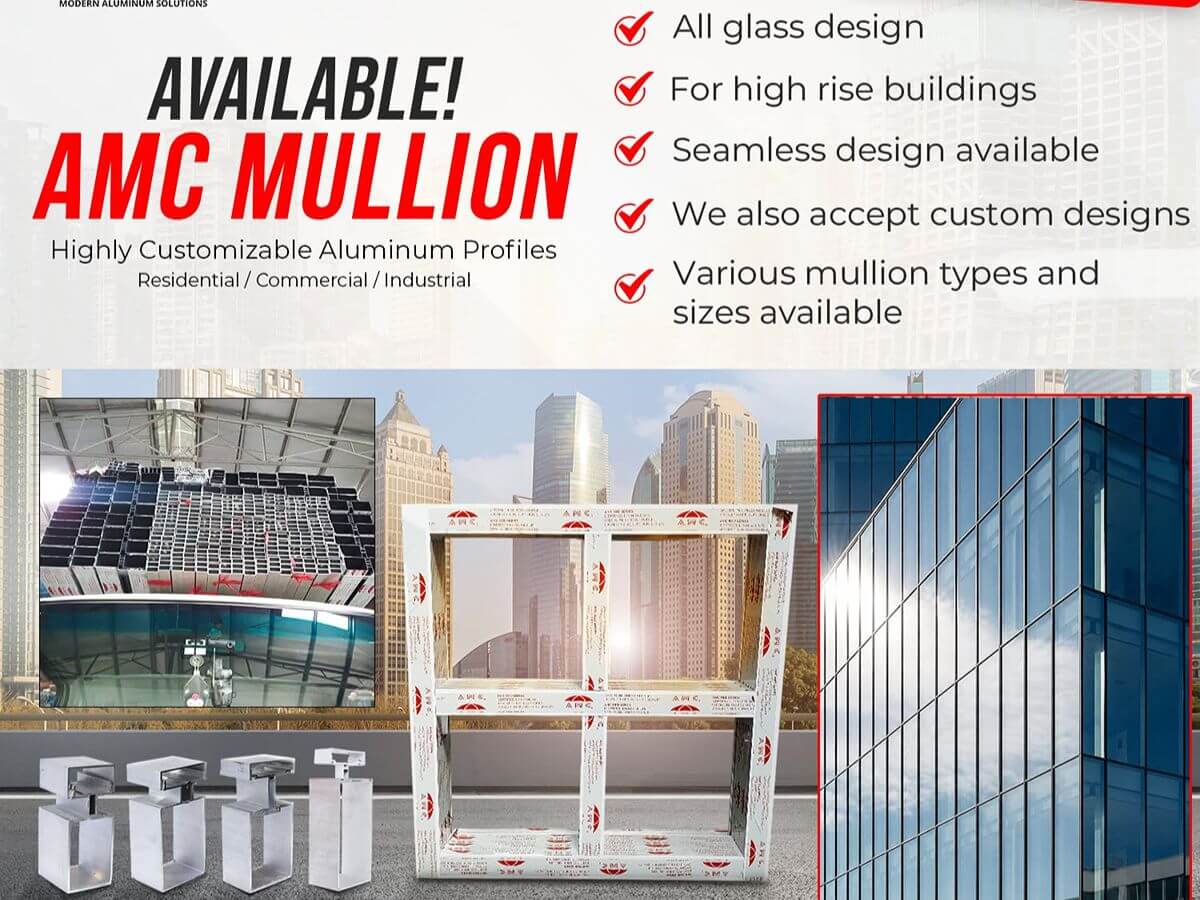
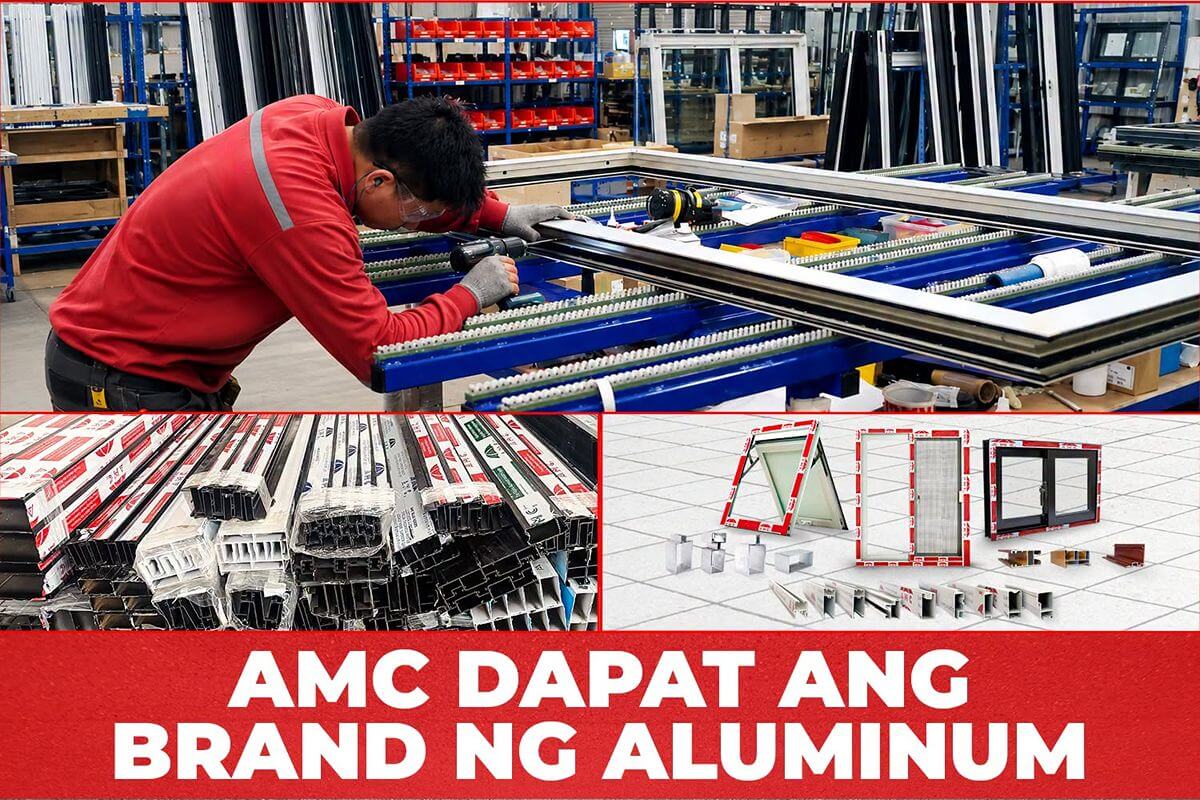
Searching for reliable, low-maintenance, and high-performance window solutions? AMC Aluminum provides premium awning window profiles designed to withstand the demands of the Philippine climate. Get in touch with us today to learn more about our products or to receive expert guidance on installation and maintenance.

.jpg)
.jpg)
.jpg)