Overview
- From alloy selection to extrusion speed and surface treatment, every stage of the aluminum extrusion process directly shapes structural performance and lifespan.
- At AMC Aluminum, these processes are tightly controlled to deliver precision-engineered profiles built for durability, consistency, and long-term use.
In architecture and design, the demand for materials that balance weight with structural power continues to rise. Industry professionals are seeking versatile solutions for specialized building components.
To achieve this, it requires a material that undergoes a profile extrusion process to ensure that they offer rigid support for its intended use.
This process is extensive, and it helps that you understand how the aluminum process affects the strength and longevity of the material. The journey from a solid aluminum to a precision-engineered profile involves technical details you should know to determine the performance of the metal you are using in a project.
In this article, we will explore the definitive factors within the aluminum extrusion process that define the final product’s life cycle.
Alloy Selection
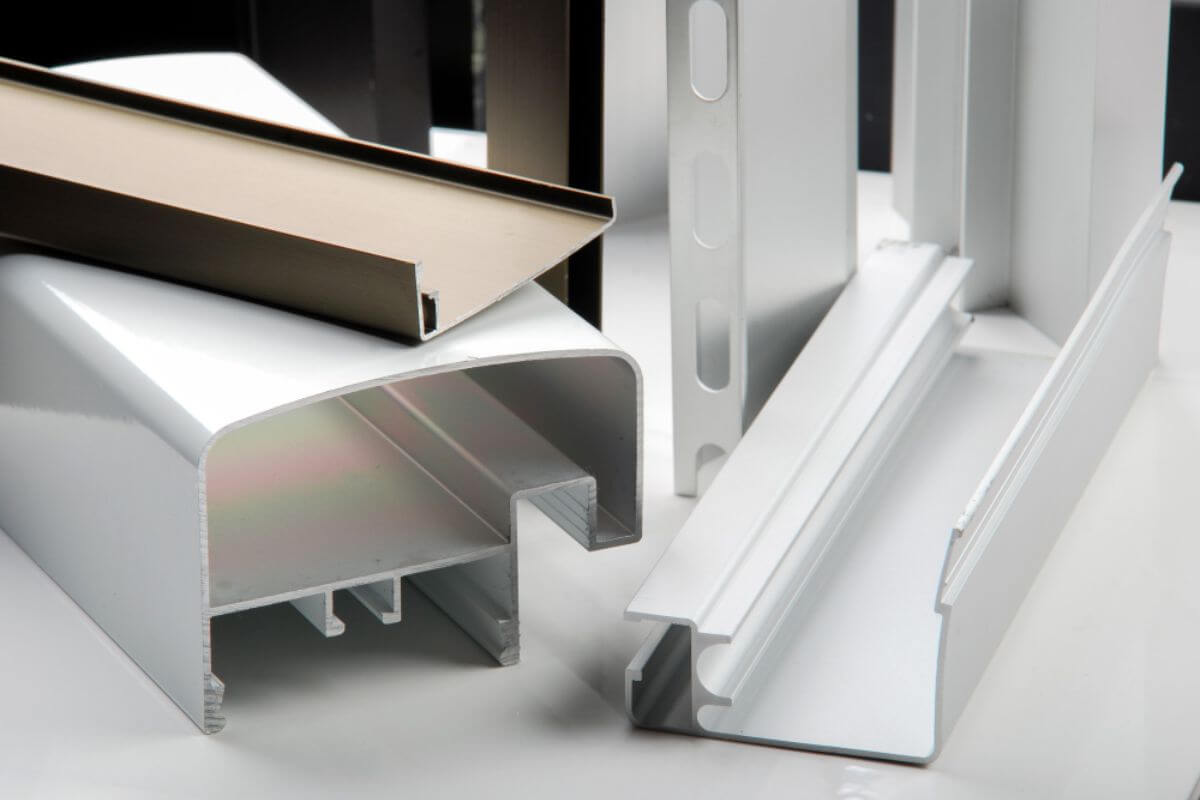
Alloy selection is a critical factor in the aluminum profile extrusion process, as it decides which raw material will undergo the process. This choice determines the core physical characteristics and the long-term personality of every profile. The decision often rests upon a careful trade-off between mechanical strength and the ease of the manufacturing process.
Strength
Selecting a professional-grade alloy like 6061 guarantees a robust internal structure capable of supporting heavy structural loads.
This high-density composition ensures the final profile possesses the rigid power required for demanding architectural frames
Longevity
A premium alloy selection provides the foundation for lasting performance by offering high resistance to environmental wear.
This strategic choice ensures your materials remain stable and retain their structural integrity through decades of use.
Die Design
A well-designed die ensures uniform material flow and minimizes stress concentrations, which helps prevent defects and potential points of failure. By carefully balancing the internal pressure, these tools facilitate a smooth transition that preserves the metal’s natural resilience.
Strength
A precision-engineered die ensures a dense and uniform grain flow, which eliminates the risk of internal weak spots.
This balanced distribution of metal creates a profile with high tensile force and reliable mechanical power.
Longevity
Accurate die geometry minimizes the stress points that lead to fatigue and eventual failure in the field.
By facilitating a smooth flow, the design ensures the profile stays perfectly true to its form for a lifetime
Temperature Control
Maintaining optimal temperature control is vital in the aluminum profile extrusion process. The billet, a solid cylinder in which the die goes through to create specific profiles and shapes, is preheated. It must be controlled at a certain level to allow the material to flow in a plastic state, but must remain in a solid state.
Strength
If the heat is too low, the metal resists the press, leading to internal stresses that compromise the final hardness.
Maintaining the perfect thermal window ensures the aluminum achieves a full molecular bond for maximum structural toughness.
Longevity
Precise heat management prevents the surface flaws and micro-cracks that can expand when exposed to the elements.
This thermal stability ensures a healthy, consistent profile that performs with excellence in any environment.
Extrusion Speed and Ratio
The extrusion speed matters because the rate of the press affects the final product. When speed is not proportionate—too high for the intended ratio, it may result in friction that can lead to surface tearing. Speaking of extrusion ratio, this is important because accurate calculations ensure that mechanical work is effective and achieves refined results.
Strength
Achieving the correct ratio ensures the aluminum undergoes enough mechanical work to toughen the internal structure. This balanced rhythm produces a profile with high yield strength.
Longevity
Consistent speed prevents the friction-induced heat that can lead to surface tearing and visible decay over time.
Cooling Rate
In this process, post-extrusion techniques require operational accuracy. One of the most important parts here is the cooling rate (often called quenching). It is the defining moment that locks in the metal performance—how quickly you bring its temperature down to ambient level determines the final product’s structural integrity.
Strength
If the cooling rate is too slow, the alloying elements fail to lock into place, resulting in a soft and pliable metal. That said, rapid quenching captures the full power of the alloy.
Longevity
A swift and controlled cooling process prevents the warping and distortion that can lead to mechanical failure during installation.
Surface Treatment
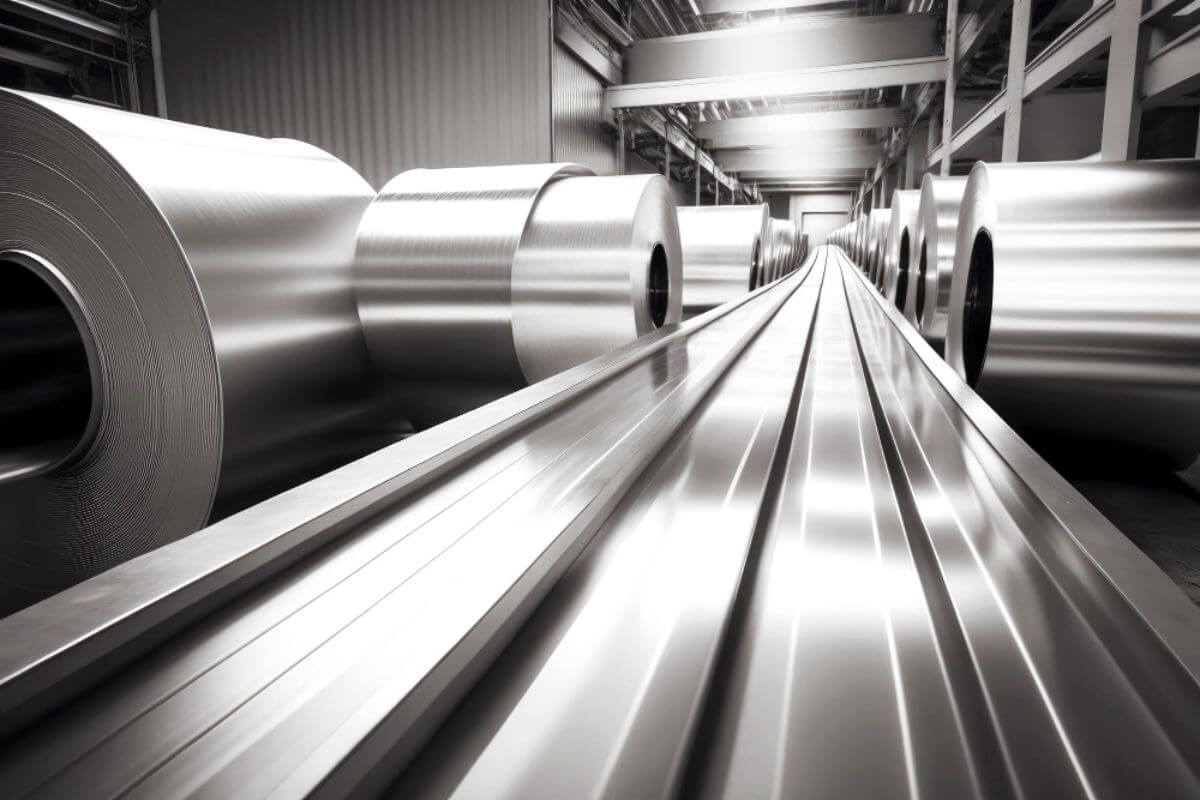
The final touch in the extrusion journey is the surface treatment. Through methods like anodizing, the metal develops a hard, durable oxide layer to enhance its resistance to wear and environmental factors. Beyond this improvement, it also adds aesthetic appeal to the final product, giving it a pop of color and texture.
Strength
High-end surface treatments add a hard, protective skin that increases the overall toughness of the exterior.
This layer provides an extra level of defense against physical impact and abrasive wear during daily operation.
Longevity
Processes like anodizing create a permanent barrier that seals the metal against moisture and corrosive salt air.
Key Takeaway
From structural frameworks to residential fabrications, selecting high-quality aluminum profiles plays a crucial role in overall durability and performance. The aluminum process affects strength and longevity, making precise manufacturing controls and premium material selection essential for long-term reliability. At AMC Aluminum, strict production standards ensure every profile is built to perform under demanding conditions.
For projects requiring exact specifications, AMC Aluminum provides both standard and custom aluminum profiles, available in a variety of finishes and configurations for residential, commercial, and industrial use. Get in touch with us to discuss a solution tailored to your requirements.

.jpg)
.jpg)
.jpg)